Understanding the Essentials of Makeup Courses
Makeup artistry is a skill that transcends mere cosmetic application; it embodies creativity, technique, and personal expression. For aspiring makeup artists, enrolling in makeup courses can be pivotal in honing their craft. These courses provide not only foundational knowledge but also advanced techniques that industry professionals value heavily.
The Importance of Quality Makeup Training
Quality makeup training is essential for several reasons. First, it builds a strong foundation in makeup fundamentals, which is critical for beginners. Good training helps to develop an understanding of skin types, color theories, and facial anatomy. Furthermore, quality education leads to improved job prospects; many employers look for candidates with formal training, which indicates a certain level of competence and dedication to the craft.
Core Topics Covered in Makeup Courses
Core topics in makeup courses typically include:
- Basic and advanced makeup application techniques
- Color theory and its application
- Skin type analysis and preparation
- Hygiene and sanitation practices
- Tools and product knowledge
- Bridal and special occasion makeup
These subjects not only equip students with practical skills but also foster an understanding of artistry, preparing them for various roles in the industry.
Who Should Enroll in Makeup Courses?
Makeup courses are tailored for a diverse audience. Aspiring artists looking to enter the beauty industry, seasoned professionals wanting to update their skills, and enthusiasts who simply want to enhance their makeup application techniques can all benefit from structured learning environments. The courses are designed to accommodate different skill levels, ensuring inclusivity and accessibility.
Types of Makeup Courses Available
Beginner Makeup Courses: A Solid Foundation
Beginner makeup courses are an excellent starting point for individuals new to makeup artistry. These courses often cover the basics of makeup application, product usage, and sanitation. Students can expect to learn about various makeup products, how to apply them effectively, and the essential techniques needed to create a polished look.
Advanced Makeup Techniques for Professionals
For seasoned professionals, advanced makeup courses are designed to elevate skills to the next level. These programs typically delve into more complex topics such as high-fashion makeup, special effects, or even advanced airbrushing techniques. Taking an advanced course can help professionals diversify their skill sets, making them more competitive in the job market.
Specialized Makeup Courses for Unique Skills
Specialized courses cater to niche markets within the makeup industry. Participants can take courses focused on special effects makeup, bridal artistry, or even makeup for photography. These areas require unique skill sets that general courses may not cover thoroughly. Specialized training often attracts professionals working in specific fields, such as film and theater, providing them with the tools needed for success in their chosen area.
Choosing the Right Makeup Course for You
Curriculum and Learning Outcomes to Consider
When selecting a makeup course, it is crucial to evaluate the curriculum and learning outcomes. Courses should ideally offer a comprehensive overview of practical skills, theoretical knowledge, and opportunities for hands-on experience. Researching different programs will help ensure that the course aligns with personal and professional goals.
In-Person vs. Online Makeup Courses
The choice between in-person and online makeup courses ultimately depends on individual learning preferences. In-person courses offer the benefit of direct interaction with instructors and peers, which enhances the learning experience. However, online courses provide flexibility and convenience for those balancing other commitments. Many reputable online programs now offer interactive features and practical assignments, bridging the gap between in-person and digital learning.
Accreditation and Recognized Certifications
When choosing a makeup course, accreditation is a key factor. Programs backed by recognized institutions provide a level of credibility that employers value. Certifications obtained from accredited courses ensure that students have developed the necessary skills and knowledge to perform effectively in the beauty industry. Always verify the course’s accreditation before enrollment to avoid complications post-completion.
Essential Tools and Products in Makeup Courses
Makeup Kits: What to Include
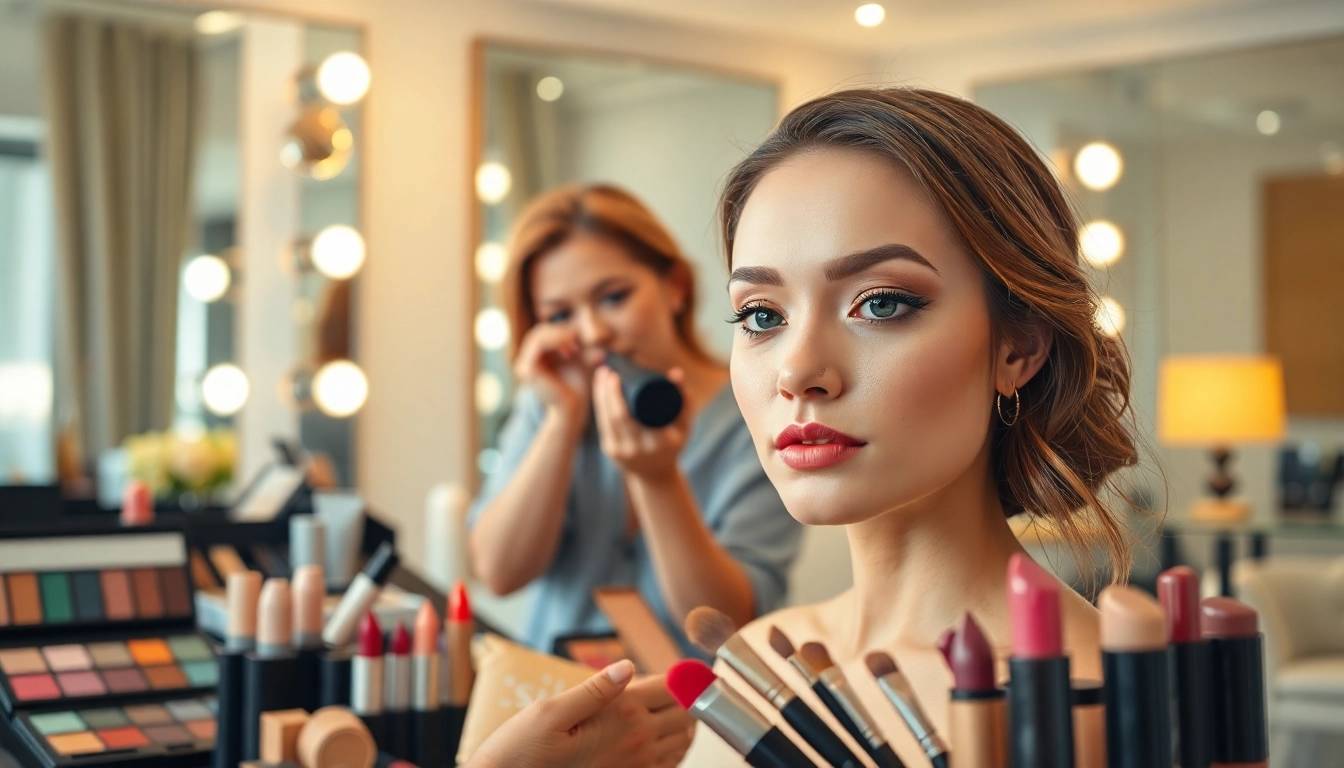
A well-equipped makeup kit is a vital component of any makeup course. Typically, students are advised to have a kit that includes:
- Foundation in various shades
- Concealers and powders
- Eyeshadow palettes
- Mascara and eyeliner
- Blush and highlighter
- Lip products
- Abrasive tools like brushes, sponges, and applicators
Each component plays a crucial role in creating versatile looks suitable for different occasions.
Understanding Product Quality and Brand Choices
Understanding the difference between product quality and brand choices is essential for any aspiring makeup artist. Higher quality products often yield better results and longevity in makeup application. Additionally, familiarizing oneself with different brands and their product lines expands the artist’s arsenal, providing options for various clients and skin types. Students should research brands and seek recommendations from instructors during their courses.
The Role of Tools in Makeup Application
Tools and brushes are just as important as the makeup products themselves. The type and quality of tools can significantly affect the final result of the makeup application. Students should learn the right techniques for using brushes and tools effectively, as this knowledge can vastly improve their application skills. Investing in high-quality brushes is often suggested, as these can provide a seamless application and better blending of products.
Frequently Asked Questions about Makeup Courses
What are the prerequisites for enrolling in makeup courses?
Typically, there are no strict prerequisites; however, a passion for makeup and creativity is essential. Some courses may require a basic understanding of makeup application.
How long does it typically take to complete makeup courses?
Program lengths vary; beginner courses can take a few weeks, while advanced or specialized courses may range from a month to a year, depending on the depth of study.
What career options are available after completing makeup courses?
Graduates can pursue various careers, including makeup artistry for film and theater, bridal makeup, beauty consulting, and freelance makeup application.
Are there online makeup courses that provide practical experience?
Yes, many online programs include practical components through virtual workshops or assignments, allowing students to apply what they’ve learned effectively.
Can I get certified through makeup courses?
Most structured makeup courses offer certification upon completion, provided they meet the program’s requirements, which can enhance career prospects.