Understanding Structural Timber Frame
What is Structural Timber Frame?
The Structural Timber Frame is an innovative construction method that utilizes timber as the primary structural element. Unlike traditional masonry constructions, which rely heavily on brick or concrete, this method emphasizes the use of engineered wood products for enhanced strength and flexibility. The design allows for an efficient load distribution, making the structural integrity of buildings more resilient to various stresses. The incorporation of modern technology in the processing of timber has further improved its viability, ensuring that it meets the highest standards of safety and performance. For more information on the benefits and applications, visit Structural Timber Frame.
Key Components and Materials
The key components of a Structural Timber Frame system typically include:
- Studs: Vertical framing members that provide support.
- Beams: Horizontal members that bear loads across larger spans.
- Joists: Used to support floors and ceilings.
- Sheathing: Panel materials that add stiffness and strength to the structure.
- Connecting hardware: Bolts, nails, and connectors that bond structural elements.
In terms of materials, various timber types, including softwoods like pine and larch as well as engineered options such as laminated veneer lumber (LVL) and cross-laminated timber (CLT), are commonly used. These materials are selected based on their mechanical properties, environmental impact, and compatibility with construction standards.
Historical Significance of Timber Framing
The use of timber framing dates back to ancient civilizations, where it was prevalent in residential and public buildings due to wood’s abundant availability and favorable workability. Structures like the medieval timber-framed houses in England showcase this method’s durability and aesthetic appeal. Over the years, timber framing has evolved, allowing for larger and more complex buildings to be constructed. Today, it not only serves aesthetic purposes but also reinforces sustainability in architecture, aligning with contemporary environmental consciousness.
Benefits of Using Structural Timber Frame
Cost-Effectiveness in Construction
One of the prominent advantages of using Structural Timber Frame is its cost-effectiveness. The construction process typically involves less labor and a shorter time frame compared to traditional building methods. The prefabrication of timber components allows for quicker assembly on-site, translating to significant savings on labor costs. Furthermore, the lightweight nature of timber reduces foundation requirements, which can also lower overall project expenses.
Environmental Sustainability
Timber is a renewable resource, making Structural Timber Frame an environmentally sustainable choice. By sourcing timber from sustainably managed forests, builders can substantially reduce the carbon footprint associated with construction. The process of timber growth also naturally sequesters carbon, compensating for emissions from other materials. Additionally, timber structures often require less energy to produce than steel or concrete, further contributing to their sustainability credentials.
Energy Efficiency Benefits
Structural Timber Frame buildings exhibit outstanding energy efficiency due to the natural insulating properties of wood. Properly designed timber frames can minimize heat loss in winter while keeping interiors cool during the summer months. This reduced reliance on artificial heating and cooling systems not only lowers energy bills but also enhances the comfort of occupants. Incorporating insulation materials within the frame can amplify these benefits, contributing significantly to building performance metrics.
Design Considerations for Structural Timber Frame
Architectural Styles and Variations
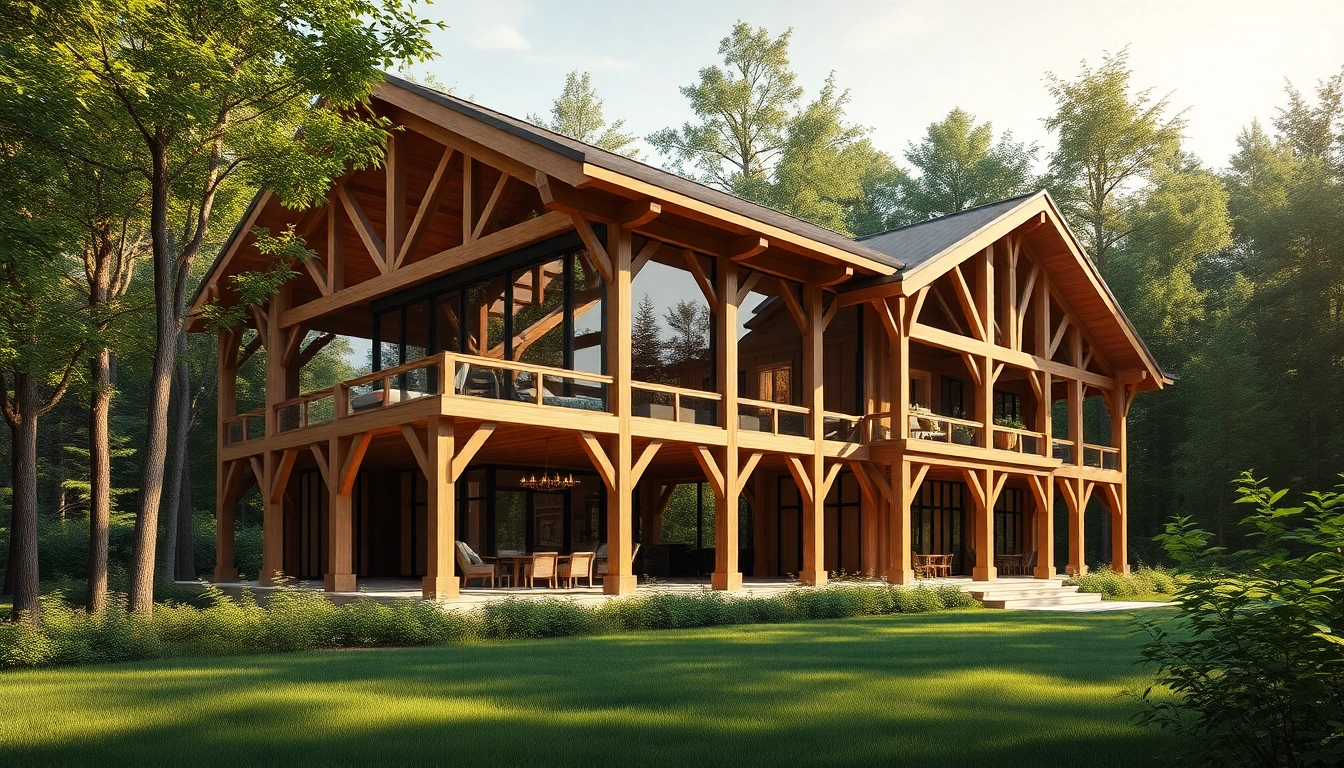
Designing with Structural Timber Frame allows architects to explore various architectural styles ranging from modern to traditional. The flexibility of timber enables intricate designs, while its aesthetic appeal adds warmth and character. Timber frame structures can showcase exposed wooden beams and stylish finishes or can be integrated into more contemporary designs featuring clean lines and open spaces. The adaptability of this method supports diverse architectural intentions, from rustic cabins to chic urban residences.
Integration with Other Materials
Structural Timber Frame can be effectively combined with materials such as steel and glass to create hybrid building systems. This integration enhances structural performance while allowing for expansive openings and contemporary aesthetics. For instance, steel can provide additional support in hybrid structures, enabling larger spans and innovative design solutions. The use of glass in tandem with timber promotes natural light, enriching the interior atmosphere.
Design Challenges and Solutions
While the advantages of Structural Timber Frame are numerous, certain challenges arise during the design and construction phases. Some common challenges include moisture management and timber decay, which can be mitigated through proper treatment and protective measures. Additionally, ensuring structural integrity under diverse loads necessitates precise engineering and planning. Implementing advanced software tools for modeling can assist design teams in addressing these challenges, ensuring compliance with safety and sustainability standards.
Best Practices in Structural Timber Frame Construction
Planning and Design Phases
Effective planning is crucial for the successful implementation of a Structural Timber Frame project. Early collaboration between architects, engineers, and builders facilitates a comprehensive understanding of project requirements and constraints. Consideration of local building codes, environmental factors, and sustainability goals should guide the design process. Drafting detailed construction plans with clear specifications for each component can prevent misalignments during the construction phase.
Construction Techniques
Key construction techniques for a successful Structural Timber Frame project include modular framing and prefabrication. Modular systems enhance efficiency by allowing sections to be constructed off-site and assembled swiftly on-location. Traditional framing techniques such as post-and-beam construction provide an alternative that may better align with certain design aesthetics. Regardless of the method chosen, careful attention to detail during assembly is essential to ensure structural integrity and performance.
Quality Control Measures
Maintaining high-quality standards throughout the construction process is vital. Implementing rigorous quality control measures, such as regular inspections and testing of materials, helps ensure that all components meet the required performance criteria. Additionally, worker training focused on best practices in timber handling and construction can significantly reduce errors and improve overall safety conditions on site.
Future Trends in Structural Timber Frame
Innovative Uses and Applications
Structural Timber Frame is poised to expand its reach beyond traditional applications. Increasingly, it is being used in commercial structures, educational facilities, and multi-family dwellings due to its versatility and aesthetic appeal. Innovations in design have led to the emergence of taller timber buildings, setting new records in the industry. As urbanization continues, timber’s lightweight qualities will probably be leveraged in high-rise construction, resulting in a shift toward sustainable urban development.
Advancements in Timber Technology
Technological advancements such as digital fabrication and engineered wood products are redefining what is possible with Structural Timber Frame. These innovations allow for highly precise cuts, complex geometries, and the customization of timber components, enhancing overall building performance and design flexibility. The introduction of smart technologies into timber construction, like IoT monitoring systems, will contribute to enhanced building management, performance, and sustainability.
Market Growth and Industry Outlook
As architectural trends steer toward eco-friendly and energy-efficient structures, the market for Structural Timber Frame is expected to experience significant growth. An increasing awareness of sustainability among consumers is contributing to a rising demand for timber construction in both residential and commercial sectors. Analysts predict favorable industry trends, with timber soon becoming a staple in construction worldwide.
Frequently Asked Questions
What is a Structural Timber Frame?
A Structural Timber Frame is a construction method that uses engineered wood products for structural integrity, offering flexibility and strength compared to traditional materials.
What are the main benefits of using Structural Timber Frame?
The benefits include cost-effectiveness, environmental sustainability, and energy efficiency, which collectively reduce construction costs and impact.
How does Structural Timber Frame compare to traditional construction methods?
Compared to traditional methods, Structural Timber Frame is typically quicker to build, more sustainable, and allows for more design flexibility and innovation.
What challenges can arise in Structural Timber Frame construction?
Challenges may include moisture management, ensuring structural integrity, and adhering to building codes, all of which require careful planning and execution.
What future trends are expected in the Structural Timber Frame market?
Future trends include the innovative use of timber in urban settings, advancements in technology for timber construction, and growth driven by sustainability awareness.