
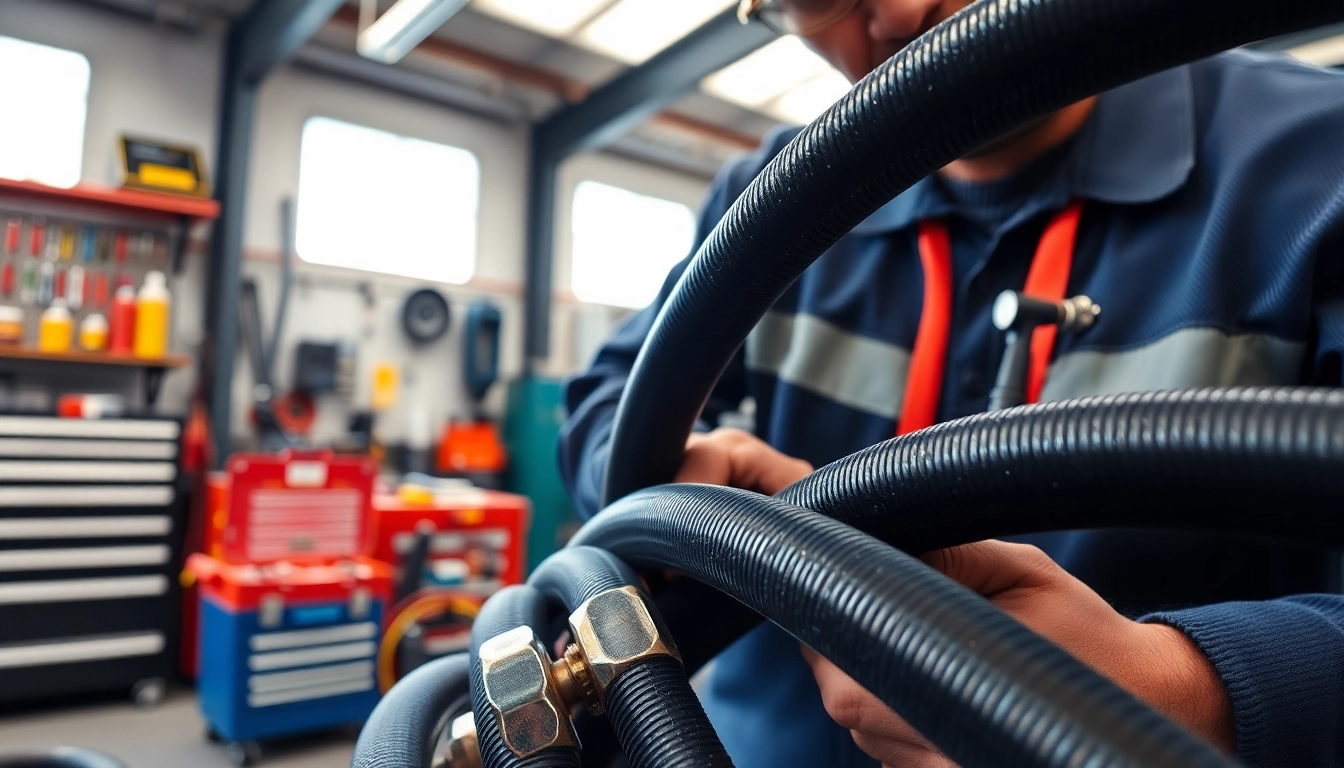
Understanding Hydraulic Hose Repair
What is Hydraulic Hose Repair?
Hydraulic hose repair is a vital component of maintaining the functionality and safety of hydraulic systems. Hydraulic hoses, which transport fluid from one component to another, are subject to wear and tear due to high pressure and environmental factors. Over time, hoses can become damaged or develop leaks, necessitating repairs to ensure the system operates efficiently. Proper hydraulic hose repair techniques are crucial to avoid costly system failures and maintain operational efficiency.
Common Issues with Hydraulic Hoses
Several common issues can affect hydraulic hoses, leading to the need for repair. Some of the most frequent problems include:
- Leaks: Leaks can occur due to wear, abrasions, or punctures, leading to pressure drops and reduced efficiency.
- Cracks: Hoses may develop cracks due to overexposure to sunlight or extreme temperatures, compromising their integrity.
- Swelling: Exposure to certain hydraulic fluids can cause hoses to swell, affecting their ability to perform under pressure.
- Kinks: Kinks or sharp bends in hoses can restrict fluid flow, creating potential failure points.
When to Seek Professional Hydraulic Hose Repair
It is essential to recognize when a hydraulic hose requires professional repair. Signs that you should consult with a professional include:
- Visible leaks or fluid pooling around the hose
- Unusual noises such as hissing or squeaking during operation
- Significant pressure drops in the hydraulic system
- Frequent burn marks or heat damage on the hose’s exterior
Tools and Equipment for Hydraulic Hose Repair
Essential Tools for Proper Repair
Successful hydraulic hose repair requires a careful selection of tools. Some essential tools include:
- Hose Cutters: Sharp, durable cutters designed to achieve clean and precise cuts on hydraulic hoses.
- Crimping Tools: These tools are vital for attaching fittings properly to ensure a leak-proof connection.
- Torque Wrenches: Used for ensuring that fittings are tightened to the proper torque specifications to prevent loosening.
Safety Gear for Repair Technicians
Safety should always be a priority when performing hydraulic hose repairs. Technicians should be equipped with:
- Gloves: Protective gloves to prevent cuts and abrasions.
- Goggles: Eye protection to shield against flying debris during cutting or crimping.
- Steel-toe Boots: To protect feet from heavy equipment and tools.
Specialized Equipment for Hydraulic Systems
In addition to basic tools, certain specialized equipment can enhance the repair process. This includes:
- Hydraulic Hose Assemblers: Machines designed specifically for assembling hoses under pressure.
- Test Pumps: Used for pressure testing the hose after repair to ensure it can handle operating conditions.
- Flush and Clean Systems: Equipment to clean the interior of hydraulic hoses and systems before repairing or replacing parts.
Step-by-Step Guide to Hydraulic Hose Repair
Diagnosing the Problem
The first step in hydraulic hose repair is proper diagnosis. Begin by inspecting the hose and the surrounding components for:
- Visible signs of wear or damage
- Fluid leaks
- Unusual noises during operation
Use diagnostic tools to measure fluid pressure and flow, which can help identify issues within the system. By systematically assessing these factors, technicians can pinpoint the root cause of the problem.
Preparing for Repair
Before executing repairs, gather all necessary tools and materials. This includes cutting tools, new hose sections, fittings, and any other required supplies. Follow these preparation steps:
- Turn off the hydraulic system and relieve pressure to avoid accidents.
- Remove any protective coverings from hoses and components.
- Carefully detach the damaged hose from the system, noting the configuration for reassembly.
Executing Hydraulic Hose Repair
Once prepared, follow these steps to execute the repair:
- Cut the Hose: Using hose cutters, cut the damaged section of the hose, ensuring a clean edge.
- Attach Fittings: Insert fittings into the new hose and use crimping tools to secure them firmly, preventing leaks.
- Reconnect: Reattach the repaired hose to the hydraulic system, ensuring that all connections are tight and secure.
- Test the System: Re-pressurize the system and monitor for leaks during operation. Ensure that the hose performs adequately under pressure.
Maintaining Hydraulic Hoses for Longevity
Regular Inspection Techniques
Routine inspections are crucial for extending the lifespan of hydraulic hoses. Follow these techniques:
- Regularly check for visible signs of wear, including cracks or bulges.
- Monitor the hose for leaks by inspecting fittings and connection points.
- Perform pressure tests periodically to ensure hoses can handle operational loads.
Best Practices for Hose Storage
Proper storage can significantly affect hose lifespan. Consider these best practices:
- Store hoses in a cool, dry area away from direct sunlight and extreme temperatures.
- Avoid kinks by storing hoses wound in loops rather than tight coils.
- Store hoses hanging or on suitable racks to prevent damage from being stacked or compressed.
Signs of Wear to Watch For
Being proactive about wear can prevent costly repairs. Key signs to monitor include:
- Discoloration or fading of the hose material.
- Fraying or shredding at the outer surface.
- Hardening or softening of the hose material, indicating a loss of flexibility.
FAQs about Hydraulic Hose Repair
What are the common causes of hydraulic hose failure?
Common causes include abrasion, extreme temperatures, chemical exposure, and improper installation.
How often should hydraulic hoses be replaced?
Replacement timing varies, but inspecting every 6 months to a year is recommended, depending on usage.
Can I repair a hydraulic hose myself?
While some repairs can be DIY, professional help is often advised for safety and efficiency.
What safety precautions should I take during repairs?
Always relieve pressure, wear appropriate safety gear, and follow manufacturer guidelines to avoid accidents.
How can I ensure my hydraulic system runs efficiently?
Regular maintenance, quality hose replacements, and timely repairs can optimize your hydraulic system’s efficiency.