
Understanding Martial Arts Thriller
Defining the Genre
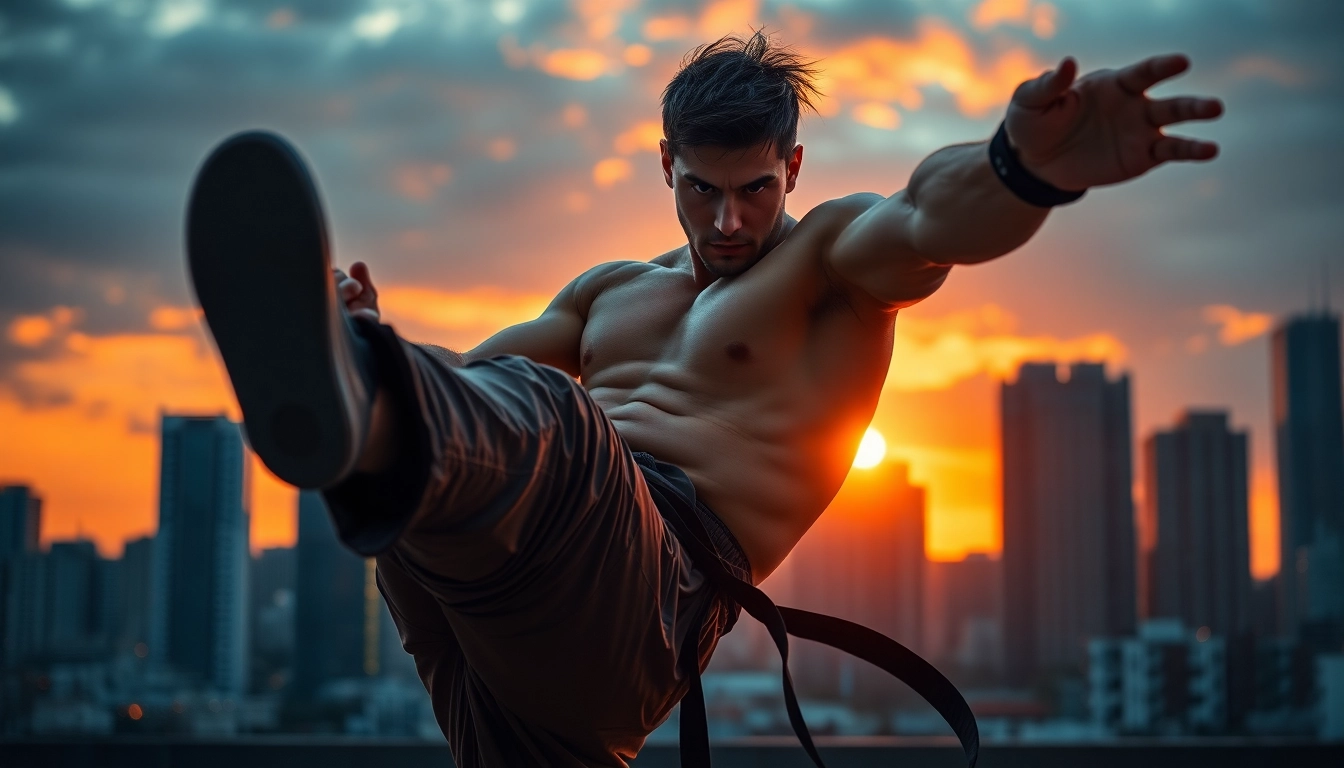
The Martial Arts Thriller genre is a captivating blend of high-octane action and intricate storytelling, effectively uniting intense combat sequences with suspenseful narratives. It encompasses a range of films and literature that center on martial arts practitioners who find themselves embroiled in dangerous situations, often involving criminal activities, revenge plots, and personal vendettas. The genre’s defining characteristics include the presence of skilled martial artists, intricate fight choreography, and the critical undercurrents of tension that keep audiences on the edge of their seats. Whether through a cinematic lens or in print, Martial Arts Thrillers offer a unique experience that transcends traditional action narratives, appealing to fans of various forms of storytelling.
Historical Evolution of Martial Arts Thriller
The origins of the Martial Arts Thriller can be traced back to the early 20th century, when martial arts began gaining popularity outside of their native cultures. The earliest films that featured martial arts elements were often heavily influenced by traditional storytelling techniques. The genre began to gain traction in the West during the 1970s, thanks in large part to iconic figures such as Bruce Lee, whose films introduced audiences to unprecedented levels of choreography and fight scenes. Movies like “The Way of the Dragon” and “Enter the Dragon” set the standard for what would become hallmarks of the genre, combining philosophical themes with riveting action.
As martial arts continued to evolve, so did the narratives surrounding them. The late 1980s and 1990s witnessed the rise of Hollywood adaptations and the integration of martial arts into action blockbusters. Films like “Bloodsport” and “The Matrix” revolutionized the representation of martial arts on screen, infusing elements of science fiction and fantasy into traditional narratives. Today, the genre not only thrives in cinema but also extends into literature, video games, and television, showcasing its versatility and enduring appeal.
Key Elements of a Martial Arts Thriller
A successful Martial Arts Thriller typically incorporates several key elements that resonate with audiences. These include:
- Expert Martial Artists: The lead characters are often highly trained martial artists, showcasing their skills through elaborate fight choreography.
- Engaging Plot: A gripping storyline that often involves personal stakes, revenge, or the quest for justice is essential.
- Intense Action Sequences: Well-crafted fight scenes that are visually appealing and strategically choreographed.
- Emotional Depth: Compelling character arcs that allow for development and emotional investment.
- Thematic Undertones: Exploration of themes such as honor, loyalty, betrayal, and personal redemption.
Top Martial Arts Thrillers to Watch
Must-See Movies in the Genre
The landscape of Martial Arts Thrillers is rich and diverse, offering a plethora of films that have captured the imagination of audiences worldwide. Some must-see movies include:
- Enter the Dragon – Bruce Lee’s seminal work that set new benchmarks for the genre with its unparalleled martial arts choreography.
- The Raid: Redemption – An Indonesian film that injects fresh energy into the genre with its high-stakes action set in a high-rise building.
- Kill Bill – Quentin Tarantino’s homage to martial arts cinema melds revenge thriller elements with stylish fight sequences.
- Ong Bak: Muay Thai Warrior – A Thai film that showcases the intensity of Muay Thai while weaving an engaging narrative surrounding lost artifacts.
- Ip Man – A film tracing the life of the legendary Wing Chun master, emphasizing honor and resilience amid political turmoil.
Notable Directors and Their Contributions
The world of Martial Arts Thrillers has been shaped by several visionary directors who pushed the boundaries of the genre through innovative storytelling and dynamic action sequences. Directors such as:
- Woo-Ping Yuen: His work on films like “Crouching Tiger, Hidden Dragon” and “The Matrix” has forever altered martial arts choreography in cinema.
- Gareth Evans: Known for “The Raid” series, Evans has redefined the fight scene with his unique approach to action direction.
- Quentin Tarantino: His stylistic flair in crafting narratives, combined with a deep appreciation for martial arts films, has created an indelible impact on the genre.
Books Transforming Martial Arts Thriller
While films often dominate discussions around the Martial Arts Thriller genre, literature also plays a crucial role in expanding the narrative and thematic elements associated with martial arts. Notable novels such as:
- “The Silent Blade” by R.A. Salvatore: This fantasy novel integrates martial arts techniques within a rich narrative filled with adventure and moral dilemmas.
- “Shogun” by James Clavell: A historical fiction masterpiece that explores samurai culture and martial arts intricacies during feudal Japan.
- “The Last Dragon” by Ellen Oh: A contemporary fantasy that weaves martial arts into a tale of dragons, honor, and family loyalty.
Cinematic Techniques in Martial Arts Thrillers
Choreography and Fight Scenes
Choreography is the lifeblood of any Martial Arts Thriller, setting the stage for both the aesthetic appeal and the narrative’s intensity. Films in this genre often employ highly trained stunt performers alongside actors to ensure authenticity and excitement. The choreography must balance realism with cinematic flair, creating sequences that not only serve the story but also leave audiences awe-inspired.
For instance, in “The Raid: Redemption,” the fight sequences were meticulously planned and rehearsed, showcasing the brutal efficiency of Indonesian martial arts. The camera work further amplifies this by utilizing dynamic angles and smooth transitions, immersing viewers directly into the action without losing a sense of narrative flow.
Use of Sound and Music for Tension
In Martial Arts Thrillers, sound design plays an integral role in establishing atmosphere and tension. The strategic use of score and sound effects can elevate the emotional stakes during critical moments. For instance, low-frequency sounds can create an ominous vibe, while high-pitched strings may heighten suspense during tense confrontations. Iconic films like “Kill Bill” utilize a mix of Eastern and Western musical elements to not only set the tone but also enhance the cultural aspects of the narrative.
Cinematography: Capturing Action
Cinematography in Martial Arts Thrillers often employs a combination of fast cuts and long takes to deliver exhilarating sequences while maintaining clarity in complex fight scenes. The seamless flow of movement is essential to showcase the skill of martial artists effectively. Directors known for their work in this genre commonly borrow techniques from various filming styles to create a hyper-realistic experience.
For example, films like “Crouching Tiger, Hidden Dragon” combine stunning landscapes with slow-motion sequences, allowing viewers to appreciate the beauty of martial arts in motion while engaging with the story’s emotional depth.
Storytelling in Martial Arts Thrillers
Character Development in Thrillers
Character development is crucial in Martial Arts Thrillers as it helps audiences connect emotionally with the narrative. Protagonists often undergo significant transformations, facing internal and external conflicts that challenge their beliefs and abilities. These arcs are pivotal in adding layers to the plot and elevating the stakes beyond just physical confrontations.
For instance, in “Ip Man,” the titular character’s journey mirrors the broader historical context of China in turmoil, creating a rich tapestry of personal and political conflicts that resonate with viewers.
The Role of Conflict in the Narrative
Conflict serves as the backbone of any compelling narrative, and in Martial Arts Thrillers, it often manifests in multifaceted ways. Conflicts may be portrayed through physical antagonism, philosophical dilemmas, or socio-political struggles. This complexity ensures that the fights are imbued with deeper meaning, often reflecting larger themes in society.
The duality of characters, such as heroes grappling with vengeance or anti-heroes seeking redemption, further enriches these conflicts. In “The Night Comes for Us,” this exploration of morality in the face of violence highlights the human consequences of crime and the choices made by those in power.
Building Suspense and Pacing
Brittle pacing is key to maintaining suspense throughout the narrative. The careful structuring of fight scenes with slower narrative beats allows viewers to breathe before being thrust back into high-intensity sequences. Effective pacing ensures that audiences remain engaged and invested in the outcomes of its characters.
For example, films like “Oldboy” employ a slow build-up to combat sequences, allowing for thorough character establishment before unleashing explosive fight choreography, leaving audiences yearning for resolution and closure with each escalating confrontation.
Future Trends in Martial Arts Thriller
Integration of Technology in Filmmaking
The future of Martial Arts Thrillers is poised for further evolution, largely driven by advancements in technology. Virtual reality (VR) and augmented reality (AR) technologies are expected to reshape how audiences experience martial arts narratives, allowing for interactive storytelling where viewers can take on the roles of martial artists themselves.
Additionally, new filming techniques such as drones and steady cams have enhanced how action is captured, leading to immersive experiences that delve deeper into the characters’ emotional journeys while maintaining the excitement of martial confrontations.
Emerging Themes and Fresh Narratives
As audiences become more diverse in their tastes, emerging themes within the Martial Arts Thriller genre reflect societal dynamics, exploring cultural intersections and global issues. Films increasingly incorporate narratives that embody social justice, feminism, and personal empowerment, creating relatable and layered characters that resonate with modern viewers.
The Global Appeal of Martial Arts Thrillers
The fascination with martial arts transcends cultural barriers, establishing a global appeal that continues to thrive. As audiences worldwide seek authentic representations of martial arts practices, the genre is expected to further integrate influences from different cultures, leading to enriched narratives that reflect the complexities of the human experience.
Furthermore, international collaborations may lead to innovative storytelling approaches, combining the unique styles and philosophies of various martial arts forms, and widening the genre’s scope for exploration and adaptation.