Understanding Residential Heating and Cooling Systems
In today’s modern homes, efficient systems for residential heating and cooling are essential for maintaining comfort and efficiency. With various options available, understanding the different types of systems, their components, and how each can benefit your home is crucial. This article will delve deep into various aspects of residential heating and cooling systems, ensuring you have the knowledge to make informed decisions.
Types of Systems Available
Residential heating and cooling systems can be primarily categorized into several types, each serving unique needs and preferences. Below are some of the most common systems found in residential settings:
- Central Heating and Cooling Systems: These systems typically involve a furnace or heat pump that distributes heated or cooled air through a network of ducts. Central systems are known for their ability to maintain a consistent temperature throughout the home.
- Ductless Mini-Split Systems: An excellent option for homes without pre-existing ductwork, these systems use internal units mounted on walls to provide heating and cooling. They’re efficient and allow for zone heating/cooling, which can enhance energy savings.
- Heat Pumps: Heat pumps can serve as both heating and cooling units. They work by transferring heat rather than generating it, making them energy efficient. Ground-source and air-source heat pumps are the two main types.
- Boilers: Primarily used for heating, boilers heat water and distribute it through radiators or in-floor heating systems. They are often preferred in colder climates due to their efficient and comfortable heating capabilities.
- Window Air Conditioners: A more familiar option for smaller spaces, these units are designed to sit in a window or wall and cool the room directly. Though not ideal for larger homes, they can be effective and affordable for specific areas.
Key Components of Residential Heating and Cooling
Knowing the essential components of heating and cooling systems can help homeowners understand how their systems work and how to maintain them for optimal performance. Here are the key components:
- Thermostat: The thermostat is the control center for your heating and cooling system, allowing homeowners to set desired temperatures and create schedules for energy efficiency.
- Heat Exchanger: In heating systems, the heat exchanger transfers heat from the furnace or boiler to the air without direct contact, ensuring safety and efficiency.
- Air Handler: This component helps circulate air throughout the home. It contains a blower fan and may include filters to remove dust and allergens from the air.
- Outdoor Unit: In heat pump systems, this unit releases or absorbs heat from the outside air. It contains components that help transfer heat, including the compressor and evaporator coil.
- Ductwork: These are the channels through which heated or cooled air travels. Properly sealed and insulated ductwork is necessary to maximize efficiency and airflow.
How to Choose the Right System for Your Home
Selecting the right heating and cooling system for your home involves more than just choosing brand or model; it’s crucial to consider several factors:
- Home Size: Larger homes usually require more powerful systems. A professional HVAC technician can perform load calculations to recommend appropriate system size.
- Climate: Understanding your local climate can help dictate the type of system you might need. Homes in colder climates might benefit from a high-efficiency furnace, whereas those in temperate climates might do well with a heat pump.
- Energy Efficiency Ratings: Look for systems with high SEER or AFUE ratings, which can indicate greater efficiency and potential cost savings on energy bills.
- Installation Costs: Consider both the initial costs and long-term savings. A more efficient system may cost more upfront but save money in energy costs over time.
- Personal Preferences: Consider preferences for noise levels, aesthetics, and individual comfort needs when selecting a system.
Benefits of Efficient Residential Heating and Cooling
Investing in efficient heating and cooling systems can transform your home environment, offering numerous benefits beyond just temperature control. Here are some of the most significant advantages:
Energy Savings and Cost Efficiency
One of the most compelling reasons to choose an efficient heating and cooling system is the potential for significant energy savings. Systems that are ENERGY STAR certified are designed to use less energy, which translates to lower utility bills. Here are some ways efficient systems promote energy savings:
- Efficient systems help reduce your overall energy consumption.
- Implementing programmable thermostats can generate savings by allowing homeowners to set temperatures based on their schedule.
- Regular maintenance ensures that systems run smoothly, thereby using less energy.
Improved Indoor Air Quality
Advanced heating and cooling units often feature improved filtration systems, which can significantly enhance indoor air quality. Cleaner air leads to health benefits such as:
- Reduced allergens and pollutants in your home environment.
- Mitigation of respiratory issues, especially for individuals with asthma or allergies.
- Overall enhanced comfort, creating a healthier living space.
Enhanced Comfort and Convenience
Modern heating and cooling systems offer unparalleled comfort and convenience. These benefits include:
- Consistent temperatures throughout your home, ensuring every room feels just right.
- Smart technology that allows users to control their systems remotely and set specific preferences via mobile devices.
- Flexible systems, such as multi-zone options, allow for customizable comfort levels in different areas of the home.
Common Issues with Heating and Cooling Systems
Like any machinery, heating and cooling systems can experience malfunctions and inefficiencies over time. Recognizing issues early can prevent costly repairs and keep your home’s climate comfortable. This section discusses common problems and how to address them.
Identifying Warning Signs of Malfunction
Being proactive can save homeowners time and money. Here are some common warning signs to watch for:
- Unusual noises, such as banging or grinding sounds, could indicate mechanical issues.
- Inconsistent temperatures, where some rooms are excessively hot or cold, may point to ductwork or insulation issues.
- Strange odors emanating from the system, especially musty smells, could signal mold growth or other problems.
Troubleshooting Basic Problems
Homeowners can often troubleshoot minor issues before calling a professional:
- Check the thermostat settings and batteries if the system is unresponsive.
- Inspect air filters and replace them regularly to maintain airflow.
- Clear debris from outdoor units to ensure they can operate effectively.
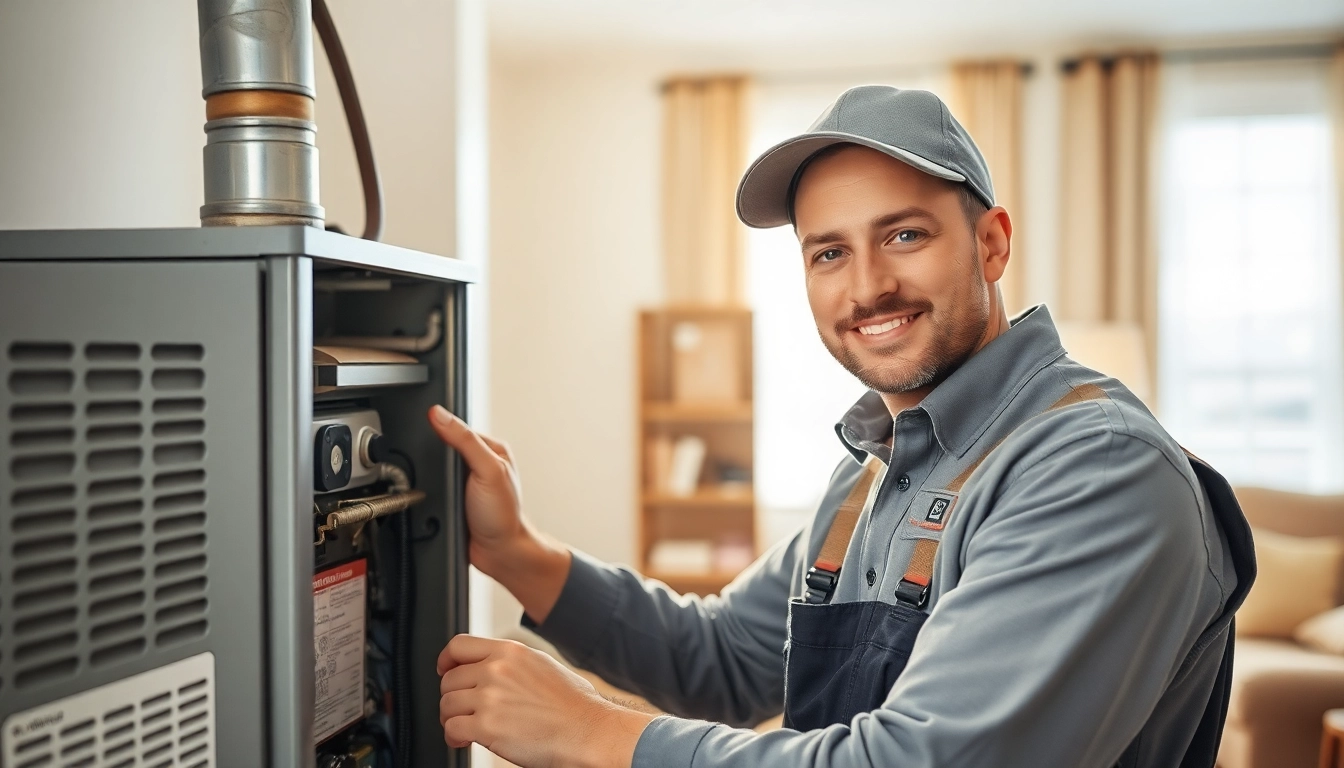
When to Call a Professional Technician
While DIY troubleshooting can resolve some issues, it’s essential to know when to call in a professional:
- If safety issues arise (like gas leaks), immediately seek professional help.
- Persistent problems despite basic troubleshooting typically require the skills of a technician.
- Annual inspections should be scheduled for preventative maintenance to avoid future issues.
Maintenance Best Practices for Optimal Performance
Regular maintenance is vital for keeping heating and cooling systems operating efficiently and prolonging their lifespan. Here are best practices every homeowner should consider:
Routine Maintenance Tips
Establishing a routine maintenance schedule is key to prolonging the life of your HVAC system. Here are some tips to consider:
- Change air filters every 1-3 months based on usage and type.
- Keep vents and registers unblocked to ensure proper airflow.
- Clean the condenser and evaporator coils annually to improve efficiency.
Seasonal Checklists for Homeowners
Different seasons warrant different maintenance tasks. Here’s a seasonal checklist:
Spring
- Inspect the outdoor unit for debris and clear it away.
- Test the air conditioning system before warmer weather arrives.
Summer
- Monitor energy bills for any unusual increases that may suggest inefficiencies.
- Regularly clean or replace filters during peak use.
Fall
- Schedule a professional furnace inspection before winter.
- Inspect and clean the chimney if applicable.
Winter
- Keep flue and dampers clear for optimal heating.
- Run the heating system regularly to avoid component freezing.
Benefits of Professional Inspections
While homeowners can handle some maintenance tasks, professional inspections are essential for optimal performance:
- Professionals have the expertise and tools to identify potential issues before they escalate.
- Cleaning and tuning by pros can enhance efficiency and extend the life of the system.
- Documented service records can be beneficial for warranties and resale value.
Frequently Asked Questions About Residential Heating and Cooling
What are the signs my heating system needs repair?
Signs include strange noises, uneven heating, increased energy bills, and a noticeable drop in indoor air quality.
How often should I maintain my HVAC system?
It’s recommended to schedule professional maintenance at least once a year, but filter changes and basic checks should be done every 1-3 months.
What factors affect my heating and cooling costs?
Your energy costs can be influenced by system efficiency, insulation, home size, and local energy prices. Regular maintenance and upgrades can also help reduce costs.
Can I upgrade my system for better efficiency?
Yes! Many systems can be upgraded with newer technology, such as smart thermostats and variable-speed compressors, to improve efficiency and comfort.
How do I choose the right thermostat for my home?
Consider features such as programmable settings, compatibility with your system, and whether you want Wi-Fi connectivity for remote access.