Understanding Gardening Basics
What is Gardening?
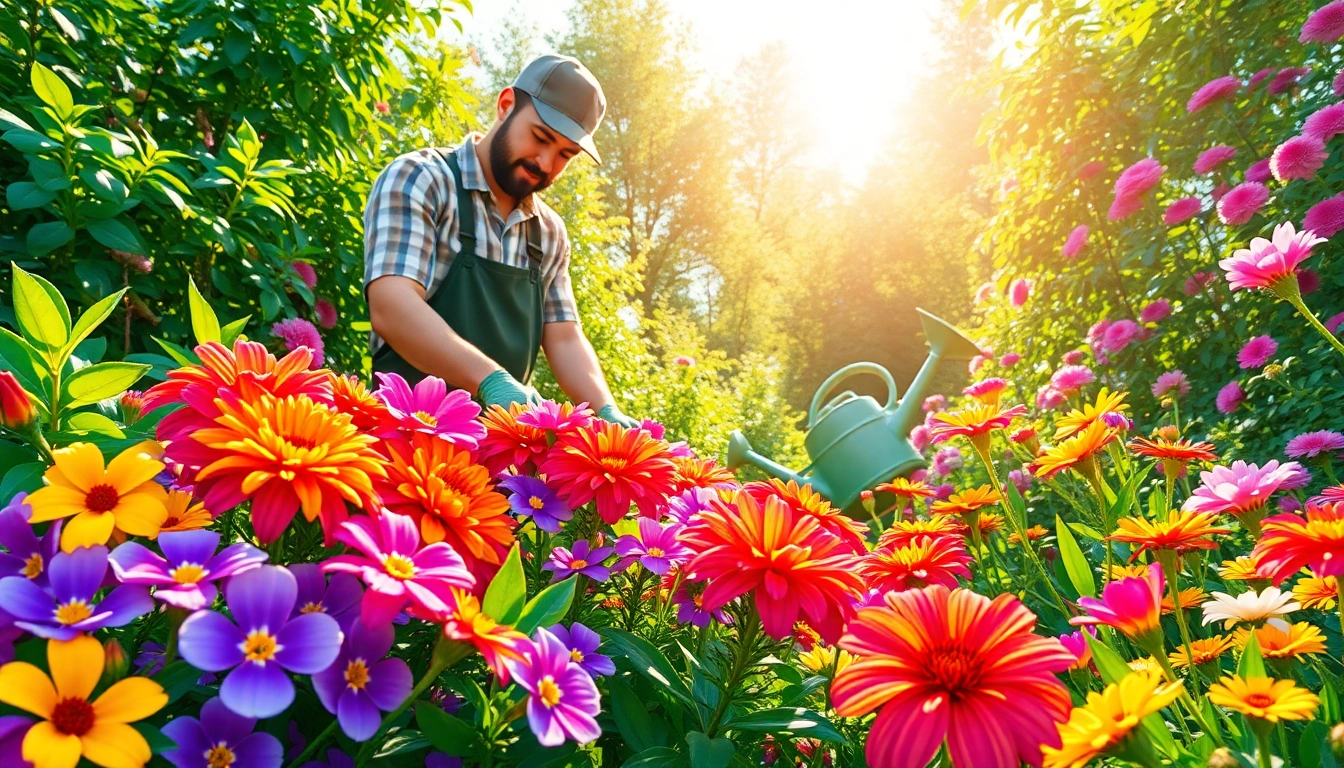
Gardening is the art and practice of cultivating plants within a designated area for aesthetic, medicinal, or food-producing purposes. This activity encompasses a wide array of practices, from growing vibrant flowers to cultivating productive vegetable gardens. It involves understanding the requirements for plant growth, such as light, water, temperature, and soil conditions. Throughout history, Gardening has served as a fundamental means through which humans connect with nature, create beautiful environments, and foster self-sufficiency.
The History and Evolution of Gardening
The evolution of gardening dates back thousands of years, originating with early hunter-gatherers who began to cultivate wild plants. Eventually, these primitive methods evolved into the organized agricultural practices we see today. Ancient civilizations such as the Egyptians, Greeks, and Romans recognized the importance of horticulture, incorporating gardens within their architectural designs.
Throughout the Middle Ages, monasteries played a crucial role in maintaining herb gardens, which were primarily used for medicinal purposes. The Renaissance marked a significant shift, with a renewed interest in aesthetics and landscape design. Over the years, gardening has expanded in scope, incorporating scientific advancements in botany and ecology, leading to the modern forms of gardening we engage in today.
Benefits of Gardening for Well-being
Gardening is not just about growing plants; it offers a multitude of physical, mental, and emotional benefits. Engaging in this activity promotes physical health through exercise, improves mood, decreases stress, and enhances overall well-being. Studies have shown that time spent in nature can lower blood pressure and reduce symptoms of anxiety and depression. The act of nurturing plants can create a sense of purpose and accomplishment, making gardening a therapeutic outlet for many individuals.
Getting Started with Gardening
Choosing the Right Location for Your Garden
Selecting the ideal location for your garden is crucial to its success. Key factors to consider include sunlight exposure, accessibility, and proximity to water sources. Most fruiting plants require around six to eight hours of sunlight, while shade-loving plants thrive in areas with filtered light. Be mindful of obstacles such as trees and buildings that might block sunlight.
Accessibility is also important. Choose a location that allows easy access for regular maintenance, including watering, weeding, and harvesting. Lastly, ensure your garden is close to a water source, making it easier to maintain soil moisture and support plant growth.
Essential Tools and Supplies for Gardening
Before embarking on your gardening journey, it’s essential to gather the necessary tools and supplies. Basic gardening tools include:
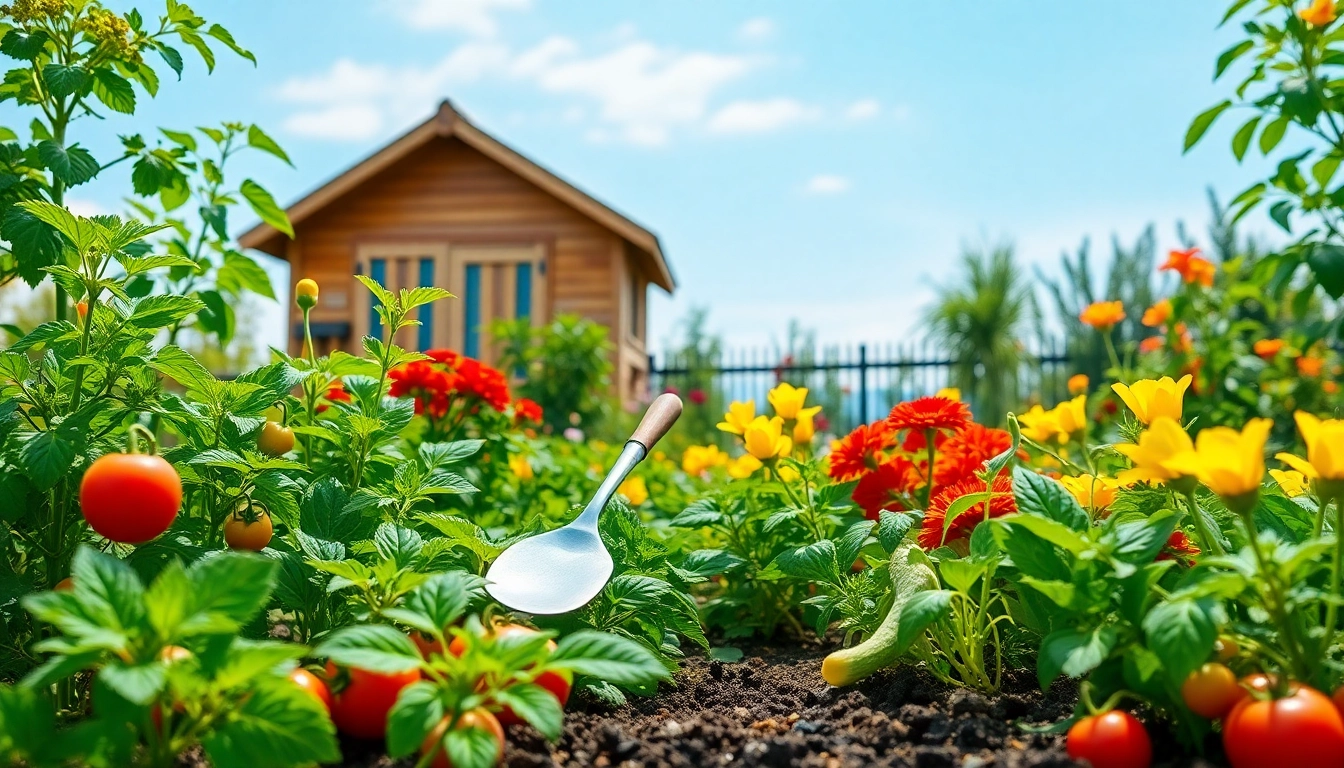
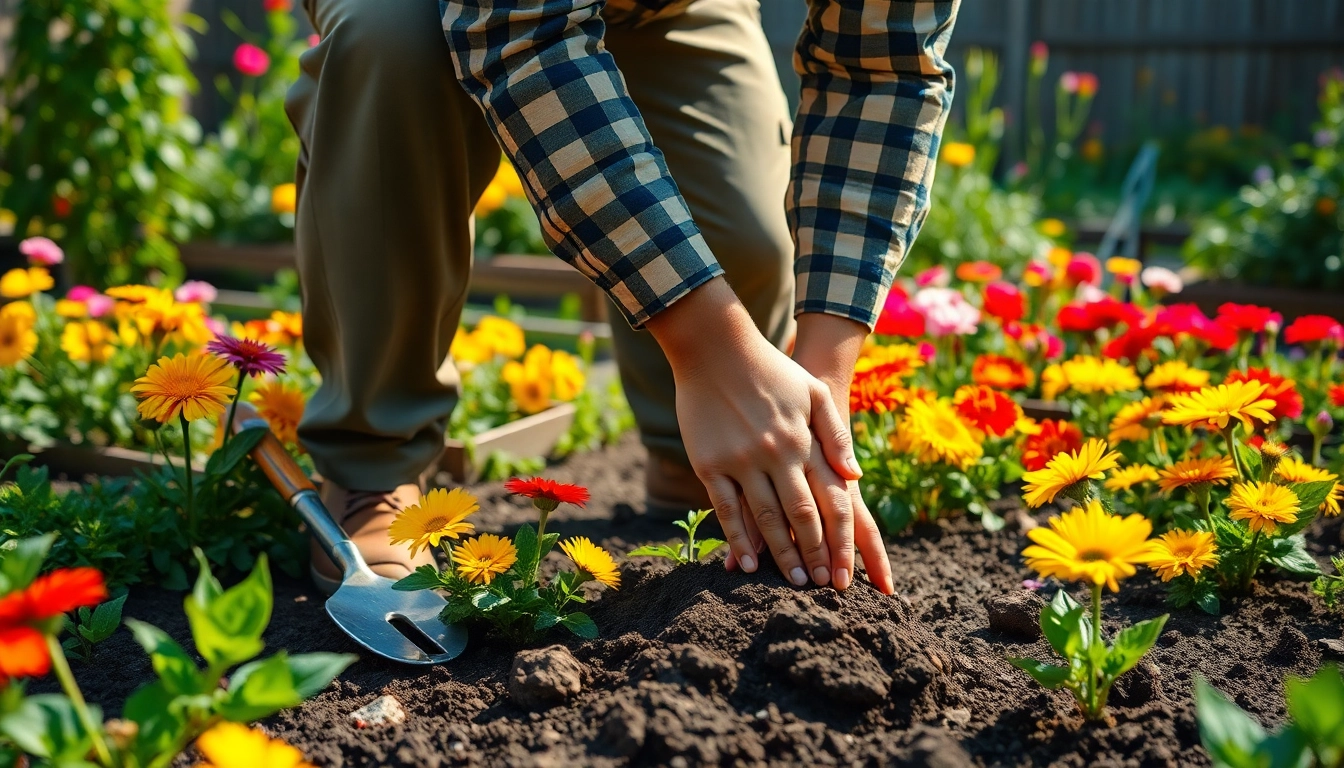
- Hand trowel: useful for digging, planting, and transferring soil.
- Pruning shears: vital for trimming plants and promoting healthy growth.
- Garden fork: helps in loosening and aerating soil.
- Watering can or hose: for efficient irrigation of your plants.
- Gloves: to protect your hands while working with soil and plants.
In addition to tools, you will also need quality seeds or seedlings, organic fertilizers, and mulch to support your plants and maintain soil health.
Understanding Soil Types and Fertilization
Soil quality is paramount to plant health. Understanding the different soil types—sandy, clay, silt, and loam—enables you to choose the right plants and amendments. Loamy soil, which consists of balanced proportions of sand, silt, and clay, is ideal for most gardening purposes due to its optimal drainage and nutrient retention abilities.
Fertilization is another critical aspect of gardening. Organic options such as compost and well-rotted manure enrich the soil and improve its structure, enhancing the availability of nutrients for plants. Testing your soil pH will also help you determine any necessary supplements to achieve the ideal conditions for your garden.
Types of Gardening Techniques
Container Gardening for Limited Spaces
Container gardening is an excellent option for those with limited space, such as apartment dwellers or urban residents. This technique allows plants to thrive in various containers, adapting to smaller areas like balconies or patios. When choosing containers, consider materials (plastic, terracotta, or metal), drainage holes, and the size appropriate for your chosen plants.
Container gardening also allows for versatility in plant choice. You can grow a wide range of plants—from herbs and vegetables to ornamental flowers—making it easy to customize your space and maximize your yield.
Raised Bed Gardening Advantages
Raised bed gardening involves creating a contained planting area above ground, typically using wood, stone, or other materials. This method offers several advantages:
- Improved soil drainage: Raised beds allow for better drainage, reducing the risk of waterlogged soil.
- Increased soil temperature: The soil in raised beds tends to warm up faster in spring, extending the growing season.
- Less soil compaction: Since you’re not walking on the soil in a raised bed, the soil structure remains intact, promoting healthy root growth.
- Easier maintenance: Raised beds can be more comfortable to tend to, especially for those with mobility issues.
Organic Gardening Practices
Organic gardening emphasizes the use of natural methods for growth without synthetic pesticides and fertilizers. This practice not only promotes environmental sustainability but also enhances the health of the soil, plants, and the individuals consuming the produce. Key principles of organic gardening include:
- Soil health: Maintaining soil fertility through compost, crop rotation, and cover cropping.
- Pest control: Managing pests through natural means such as introducing beneficial insects or utilizing organic insecticides.
- Biodiversity: Encouraging a diverse ecosystem in the garden to enhance resilience against pests and diseases.
Maintenance and Care for Your Garden
Watering Techniques for Optimal Growth
Proper watering is essential to support plant growth. It’s important to understand the needs of your specific plants and the climate you are gardening in. Deep, infrequent watering is generally more beneficial than shallow, frequent watering as it encourages root development. Consider employing techniques such as drip irrigation or soaker hoses to deliver water directly to the roots while minimizing evaporation.
Monitoring soil moisture levels regularly can help determine when to water, ensuring that your plants receive the right amount of hydration without becoming waterlogged.
Pest Management Strategies in Gardening
Managing pests organically is a significant component of sustainable gardening practices. Utilize integrated pest management (IPM) strategies, which involve:
- Prevention: Select pest-resistant plant varieties and create habitats for beneficial insects.
- Monitoring: Regularly inspect plants for signs of pest damage and identify the specific pests present.
- Control measures: Implement organic control methods ranging from hand-picking pests to applying neem oil or insecticidal soap.
Seasonal Care Practices for Different Plants
Understanding seasonal care is vital for the success of your garden. Different plants have varying needs throughout the year. In spring, focus on planting, fertilizing, and preparing your soil. During summer, ensure adequate watering and pest control. In fall, prioritize harvesting and preparing your garden for dormancy while winter involves protecting plants and planning for the next growing season. Each season brings unique tasks that require attention to ensure a thriving garden.
Advanced Gardening Strategies
Companion Planting for Enhanced Growth
Companion planting is a technique where certain plants are grown in proximity to benefit one another in various ways—be it through pest control, improved growth, or enhanced flavor. For example, planting marigolds alongside vegetables can deter harmful insects, while pairing basil with tomatoes can enhance their flavor and growth patterns. Understanding complementary plant relationships can significantly boost garden productivity.
Implementing Sustainability in Gardening
Sustainable gardening practices focus on minimizing environmental impact while promoting biodiversity and soil health. Techniques such as rainwater harvesting, composting kitchen scraps, and using native plants can enhance sustainability in your garden. Additionally, reducing chemical inputs, conserving water, and creating wildlife habitats contribute to a healthier ecosystem.
Creating a Wildlife-Friendly Garden
A wildlife-friendly garden not only enhances the ecosystem but also brings diverse flora and fauna to your outdoor space. To attract beneficial wildlife such as pollinators and birds, consider the following:
- Diverse plant selection: Grow a variety of native plants to provide food and shelter.
- Water sources: Incorporate birdbaths, ponds, or water sprinklers to create hydration points.
- Shelters: Build habitats using brush piles, nesting boxes, or log piles.
By employing these strategies, you can transform your garden into a vibrant ecosystem that supports both plants and wildlife.