Understanding Lighting Solutions
What Are Lighting Solutions?
Lighting solutions encompass various techniques, technologies, and products designed to provide illumination in residential, commercial, and industrial settings. They not only serve the fundamental purpose of lighting up spaces but also enhance functionality, aesthetics, and energy efficiency. This broad category includes everything from traditional incandescent bulbs to innovative smart lighting technologies. Implementing effective lighting solutions can transform the user experience in any environment.
The Importance of Quality Lighting
Quality lighting is crucial for numerous reasons. It can greatly influence mood, productivity, and safety. In workplaces, well-lit areas improve employee output and morale. In homes, good lighting creates a warm and inviting atmosphere that enhances the comfort of family gatherings. Furthermore, effective lighting helps reduce accidents by improving visibility, especially in high-traffic areas. It plays an integral role in interior design—impacting the perception of space, colors, and textures.
Types of Lighting Solutions
There are three primary types of lighting solutions: ambient, task, and accent lighting. Ambient lighting provides overall illumination and sets the foundational light level of a space. Task lighting, on the other hand, focuses on specific areas where activities are performed, such as reading or cooking. Accent lighting highlights particular features, such as artwork or architectural elements, to draw attention and create visual interest. Combining these types effectively can result in a balanced and functional lighting scheme.
Choosing the Right Lighting Solutions for Your Space
Factors to Consider
When selecting appropriate lighting solutions for a specific space, several factors must be considered, including:
- Functionality: Understand how each area will be used and select lighting that supports those activities.
- Style: Choose fixtures that align with the décor to create a cohesive look.
- Energy Efficiency: Opt for energy-efficient options that provide long-term savings and lessen environmental impact.
- Color Temperature: Consider the ambiance created by warm versus cool light, as it can alter the feel of the space.
Common Mistakes to Avoid
Many homeowners and businesses make critical errors in lighting choices. One common mistake is overlooking the importance of layering light—relying solely on ambient light can lead to dull and uninviting environments. Another frequent oversight is improper fixture selection; for example, using a decorative fixture in a task area may yield inadequate brightness. Finally, failure to assess natural light sources can result in inconsistencies and inefficiencies in lighting usage.
Tailoring Lighting Options to Specific Needs
Every space has unique requirements based on its function and characteristics. For instance, kitchens and workspaces thrive with bright task lighting, while living rooms benefit from softer, ambient lighting. In addition, outdoor areas may require durable fixtures with enhanced brightness to ensure safety and visibility at night. Tailoring lighting solutions to fit the individual needs of each area fosters a more enjoyable and functioning environment.
Energy Efficiency in Lighting Solutions
Benefits of Energy-Efficient Lighting
Energy-efficient lighting solutions offer a myriad of benefits, including reduced electricity bills, decreased environmental impact, and longer lifespan of fixtures. Switching from traditional bulbs to energy-efficient options like LEDs can save consumers up to 75% on their lighting expenses over time. Additionally, many energy-efficient solutions have a lower heat output, which contributes to HVAC efficiency and overall comfort in spaces.
Comparing LED vs. Traditional Bulbs
LED bulbs present a stark contrast to traditional incandescent bulbs in both energy usage and performance. While incandescent bulbs typically waste a significant amount of energy as heat, LEDs use a fraction of the energy and last significantly longer—often up to 25,000 hours compared to 1,000 hours for incandescents. This longevity not only promotes sustainability but also reduces the frequency of replacements and associated costs. Furthermore, LEDs are available in various styles and color temperatures, accommodating diverse aesthetic preferences.
Implementing Smart Lighting Solutions
Smart lighting solutions bring convenience and enhanced control to lighting systems. They allow users to adjust brightness, color, and ambiance with a simple tap on a smartphone or a voice command. These solutions can also be programmed to turn on or off automatically based on user habits, contributing to further energy savings. Moreover, integration with home automation systems enables users to create scenes for different occasions, amplifying both comfort and efficiency in living spaces.
Designing with Lighting Solutions
Creating Ambiance with Lighting
Ambiance is a significant aspect of interior design that highly influences the atmosphere of a space. To create a desired ambiance, one must consider the balance between natural and artificial light, adjust color temperatures, and utilize different types of lighting strategically. Dimmers offer flexibility, allowing users to modify light intensity based on mood or time of day. Soft yellow lights can evoke a cozy warmth, while cooler tones can lend a more energetic and dynamic feel to a space.
Layering Light for Best Effects
Layering light involves combining different types of lighting to achieve depth and dimension in an area. A well-balanced design typically includes ambient light as the base, task lighting for functionality, and accent lighting to highlight features. Effective layering can transform ordinary spaces into dynamic environments, maximizing the visual appeal and practicality of the lighting design. For instance, using under-cabinet lights in a kitchen in conjunction with ceiling fixtures creates both function and atmosphere.
Trends in Lighting Design
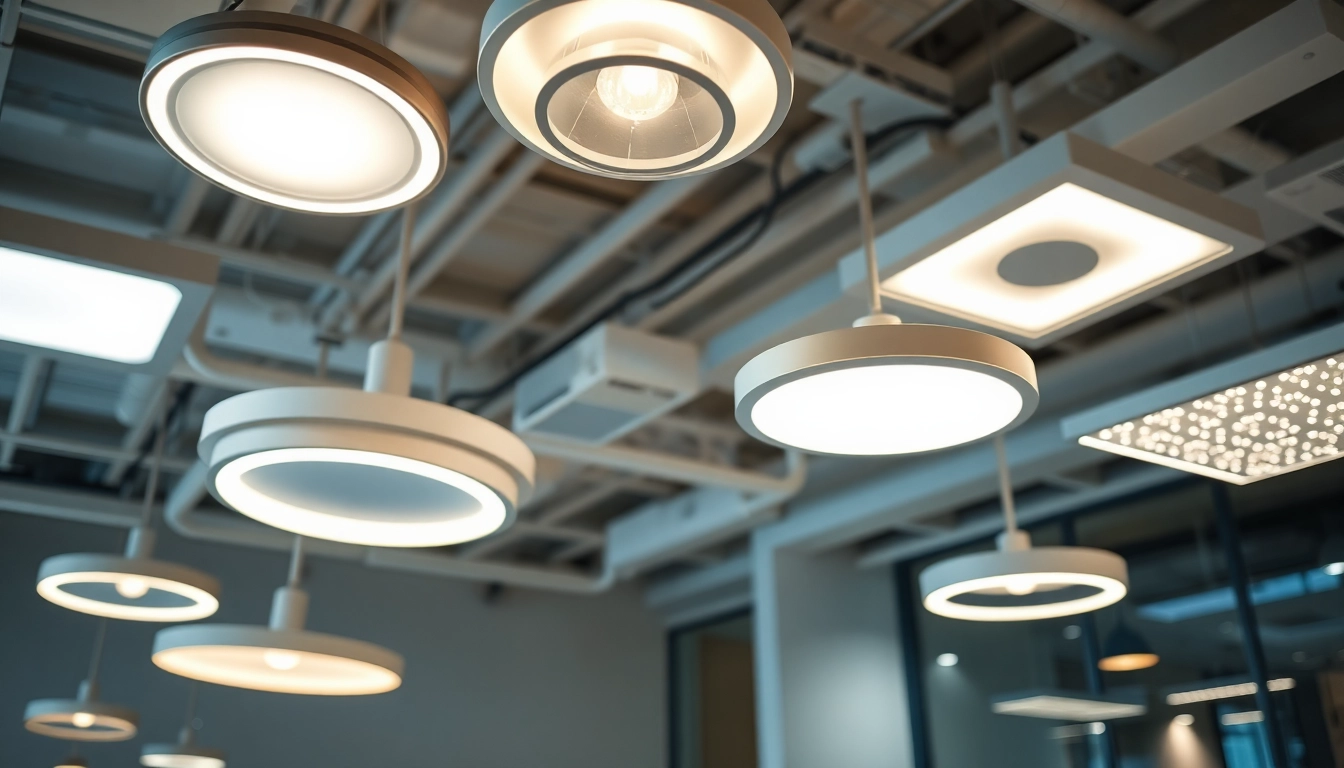
Current trends in lighting design emphasize minimalism, with a strong focus on functional aesthetics. Industrial fixtures, such as wrought iron pendant lights, are gaining popularity for their versatility and timeless appeal. Sustainability is also integral to contemporary designs, with many consumers gravitating toward energy-efficient options that blend style and performance. Furthermore, the rise of smart technology has propelled functional designs that prioritize user experience without sacrificing elegance.
Maintaining Your Lighting Solutions
Cleaning and Upkeep Tips
Maintaining lighting solutions not only keeps spaces looking pleasant but also extends the lifespan of fixtures. Regular cleaning is essential, as dust can reduce light output significantly. Use a microfiber cloth to gently wipe down fixtures and lenses, and avoid abrasive cleaners that can cause scratches. Additionally, check for any signs of wear or flickering that could indicate a need for repairs or replacements, ensuring that lighting remains both functional and energy-efficient.
Upgrading Lighting Efficiency
Upgrading to modern lighting solutions can markedly improve energy efficiency and functionality. Transitioning from outdated incandescent or halogen bulbs to LEDs is one of the simplest ways to achieve this. Additionally, consider installing motion sensors or timers that can help manage energy usage by ensuring lights are only on when spaces are occupied. Regularly reassessing the lighting needs of a space also prompts timely upgrades that foster continuous improvements.
When to Replace Fixtures
Knowing when to replace lighting fixtures is key to maintaining an efficient and visually appealing environment. Indicators for replacement include constant flickering, buzzing sounds, and a significant drop in brightness. Furthermore, fixtures that are dated or no longer complement the space can detract from the overall design. It’s advisable to refresh lighting solutions every 10 to 15 years, ensuring that environments remain modern, functional, and energy-efficient.
Frequently Asked Questions
What are lighting solutions?
Lighting solutions include various techniques and products designed to illuminate spaces effectively, enhancing functionality and aesthetics.
How does quality lighting impact mood?
Quality lighting can elevate moods, improve productivity, and create welcoming environments within homes and workplaces.
What types of lighting should I use in my home?
A combination of ambient, task, and accent lighting is ideal for providing balanced illumination tailored to different areas and activities.
What are the benefits of energy-efficient lighting?
Energy-efficient lighting reduces electricity bills, lasts longer, and lowers overall environmental impact, fostering sustainability.
When should I upgrade my lighting solutions?
Consider upgrading when fixtures show signs of wear, such as flickering or reduced brightness, or to enhance energy efficiency and aesthetics.