
Understanding Japanese Knotweed
Origins and Characteristics
Japanese knotweed, scientifically known as Fallopia japonica, is an invasive plant species native to East Asia. It was first introduced to Europe in the 19th century as an ornamental plant due to its attractive foliage and resilient nature. However, its rapid growth and aggressive spread have turned it into a formidable foe for property owners and environmentalists alike.
This perennial plant can grow up to 10 feet tall and has distinctive bamboo-like stems with hollow sections. Its heart-shaped leaves can grow up to 6 inches in length, and in late summer, it produces small white flowers that can contribute to its spread. The issue with Japanese knotweed lies not just in its physical growth, but also in its extensive root system, which can reach depths of up to 3 meters and spread laterally up to 7 meters. This capacity for extensive growth makes removal a significant challenge.
Impact on Environment and Properties
The presence of Japanese knotweed poses severe risks to both the environment and property owners. Environmentally, it can outcompete native flora, leading to a reduction in biodiversity. This can disrupt local ecosystems and affect wildlife that relies on native plants for sustenance and habitat.
From a property standpoint, the spread of Japanese knotweed can severely reduce property values. Its roots can penetrate foundations, paving, and drainage systems, causing structural damage that is costly to repair. Additionally, many mortgage lenders and insurance companies view the presence of this invasive species as a significant risk, which can complicate property sales and purchases.
Identification Tips for Homeowners
Identifying Japanese knotweed early is crucial for effective control and removal. Homeowners should look for:
- Bamboo-like stems that are hollow and reddish-brown in color.
- Heart-shaped leaves that are arranged alternately along the stem.
- Flowers that appear in late summer, typically white and clustered.
- Extensive root systems that may be visible above ground, particularly in disturbed areas.
It’s essential to note that Japanese knotweed can often be confused with other non-invasive species. Thus, if there’s any doubt, consulting a local expert or consulting the resources can provide clarity and actionable strategies for Japanese Knotweed Removal.
Methods of Japanese Knotweed Removal
Physical Removal Techniques
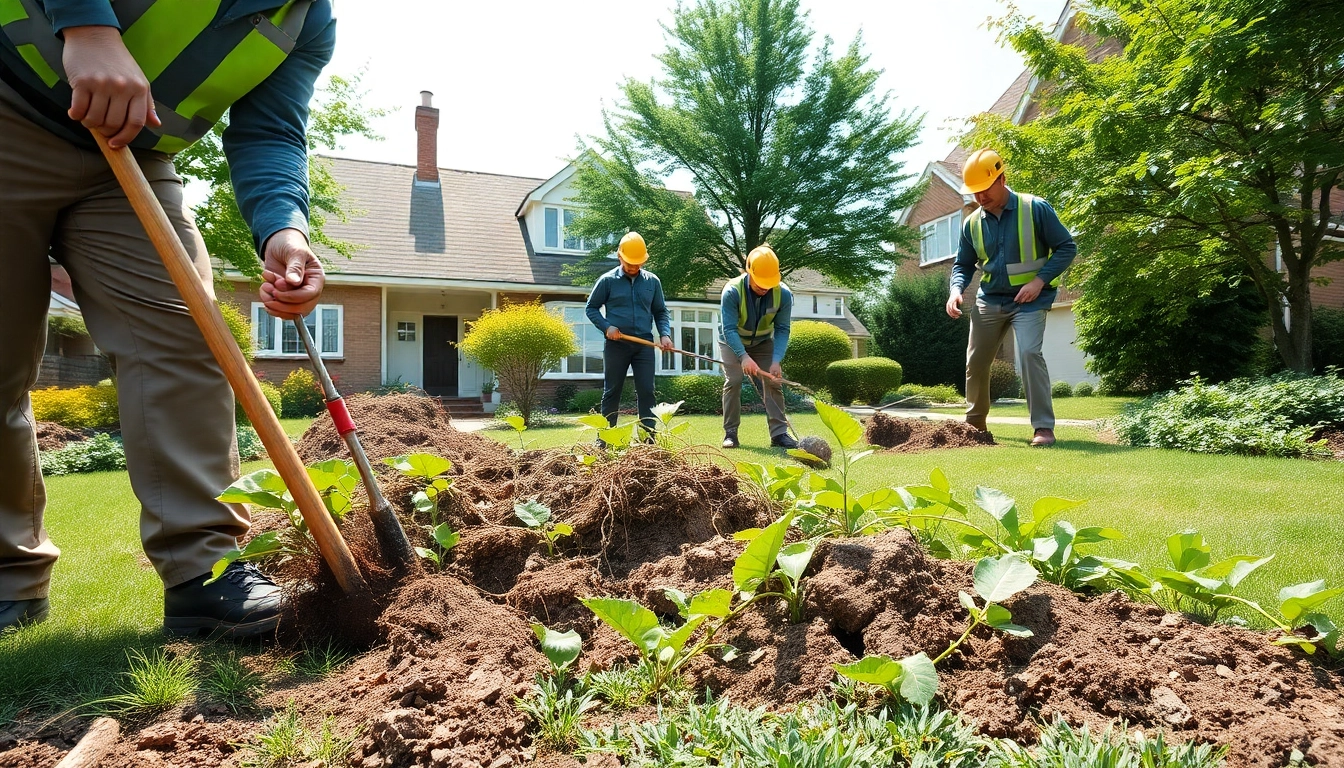
Physical removal involves manually pulling or digging out the Japanese knotweed. This method can be effective but requires diligence and proper technique. It is crucial to ensure that the entire root system is extracted to prevent regrowth. Here are the steps for effective physical removal:
- Identify the area of infestation and mark its boundaries.
- Wear protective gloves and gear to avoid any skin contact.
- Use sharp gardening tools to cut back the stems above ground.
- Dig up the roots with a spade, ensuring to remove all underground parts.
- Dispose of the plants appropriately, as they can regrow from fragments.
While physical removal might seem straightforward, the effectiveness strongly depends on complete extraction and proper disposal of plant material.
Chemical Control Options
Chemical control serves as an important complement to physical removal, particularly for large infestations. Herbicides that contain glyphosate or triclopyr can effectively target Japanese knotweed when applied correctly. Here are some guidelines for chemical treatment:
- Choose a non-selective herbicide designed for invasive plants.
- Apply the herbicide during the growing season when the plant is most vulnerable.
- Follow the manufacturer’s instructions on concentration and application method.
- Reapply if necessary, usually in late summer or early fall.
Chemical treatment may have additional environmental considerations; thus, it’s often recommended to consult with a professional to minimize risks.
Best Practices for Effective Removal
To ensure the most effective control over Japanese knotweed, homeowners should adhere to best practices which may include:
- Combining physical and chemical removal methods for comprehensive management.
- Regularly monitoring the area for any signs of regrowth.
- Implementing a maintenance schedule to treat any emerging plants promptly.
- Educating neighbors about the importance of controlling invasive species to prevent spread.
By employing a multifaceted approach, homeowners can more effectively reclaim their property from the invasive grasp of Japanese knotweed.
Legal Considerations in Japanese Knotweed Removal
Regulations Surrounding Invasive Species
Regulations regarding the management of invasive species, including Japanese knotweed, vary by region. In many areas, property owners have legal obligations to control the spread of invasive plants. This may entail:
- Notification to local environmental authorities if an infestation is found.
- Following prescribed removal guidelines to prevent further spread.
- Engaging with localized invasive species management programs.
Failing to address an infestation can lead to significant penalties, and underscores the necessity for property owners to stay informed about local statutes.
Liability Concerns for Property Owners
Property owners may also face liability concerns. If Japanese knotweed spreads from a property and causes damage to neighboring properties, the owner could be held responsible for that damage. This reinforces the importance of being proactive in identifying and removing this invasive species. Effective removal not only protects one’s property but also shields against potential legal repercussions.
Resources for Legal Compliance
For property owners seeking guidance on legal compliance, numerous resources are available:
- Local environmental agencies often provide guidance on invasive plant management.
- Community workshops can educate homeowners on legal liabilities and best practices.
- Online resources, such as state department websites, often list regulations and contact information for expert help.
Legal compliance not only protects property values but also contributes to broader ecological preservation efforts.
Maintaining Your Property Post-Removal
Replanting Strategies
After successfully removing Japanese knotweed, it’s essential to develop a replanting strategy. This helps restore ecological balance while preventing the return of the invasive species. Effective strategies include:
- Choosing native plants that can outcompete any regrowth of knotweed.
- Implementing ground cover plants that create a dense mat to prevent reinfestation.
- Selecting deep-rooted plants to stabilize soil and promote healthy growth.
These strategies can help restore the natural flora of your garden and create a healthier ecosystem.
Monitoring for Regrowth
Once knotweed has been removed and replanting has been established, regular monitoring is crucial. Homeowners should:
- Schedule monthly inspections of the area during the growing season.
- Keep an eye out for any signs of knotweed resurgence, including new shoots or stems.
- Be prepared to act swiftly by using chemical methods or physical removal if necessary.
Successfully addressing regrowth minimizes the risk of repeating previous issues and helps maintain a healthy property environment.
Long-term Garden Health Tips
Maintaining long-term garden health amidst the previous presence of Japanese knotweed can be managed with the following strategies:
- Regularly assess soil health and composition to ensure a thriving environment for plants.
- Incorporate organic mulch and fertilizer to enrich soil and boost plant resilience.
- Engage in sustainable gardening practices to foster a diverse ecosystem.
By promoting long-term garden health, owners not only ensure that invasive species do not return but can create a thriving landscape that enhances property value.
FAQs about Japanese Knotweed Removal
What is Japanese Knotweed?
Japanese knotweed is an invasive plant species known for its rapid growth and extensive root system. It can cause structural damage and reduce property values.
How can I identify Japanese Knotweed?
Look for bamboo-like stems, heart-shaped leaves, and white flowers that appear in late summer. Its extensive roots can also signal its presence.
What are the best removal methods?
Combining physical removal with chemical treatment, such as herbicides, is often the most effective strategy for controlling and eliminating Japanese knotweed.
Why is professional removal recommended?
Professionals have the expertise and tools to ensure complete eradication, minimizing the risk of regrowth and legal complications associated with non-compliance.
Are there legal repercussions for failing to control it?
Yes, property owners can face penalties for not controlling Japanese knotweed, as it is considered an invasive species under many local regulations.