The Importance of Animal Summer Camps for Kids
As summer approaches, many parents begin searching for engaging activities that encourage their children’s curiosity and growth. Among the multitude of options, animal summer camps for kids stand out. These camps not only offer fun and excitement but also play a significant role in the holistic development of children. Let’s explore the myriad benefits and opportunities these camps present.
Benefits of Exposure to Animals
Interaction with animals can transform children’s lives, enhancing their emotional and cognitive skills. Studies indicate that children who have regular exposure to animals exhibit higher levels of empathy and emotional intelligence. This connection fosters an understanding of care and responsibility, as children learn to respect the needs and behaviors of different species.
Building Connections with Nature
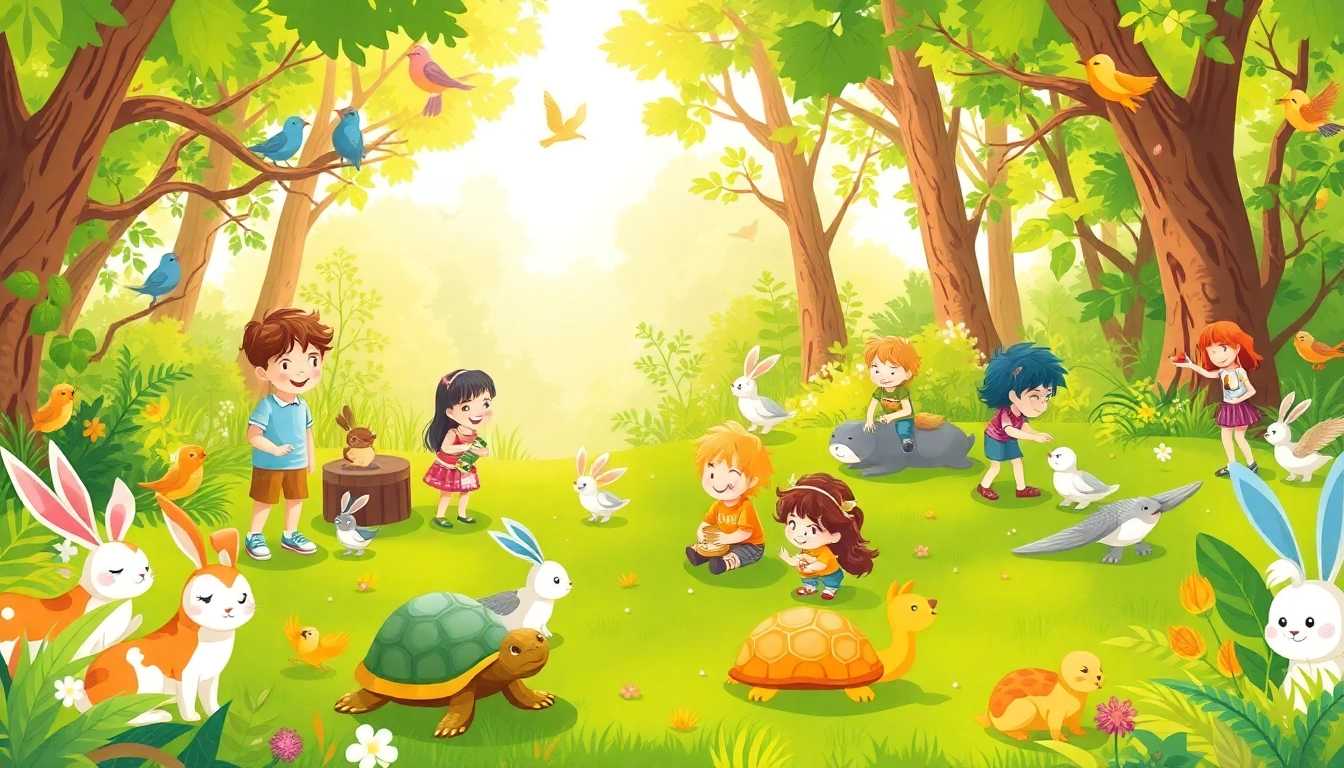
Animal summer camps immerse children in nature, fostering a deeper appreciation for the environment. Engaging with nature encourages curiosity, prompting kids to ask questions and seek answers. This connection can lead to lifelong interests in biology, ecology, and environmentalism, inspiring future generations to advocate for sustainability and conservation.
Social Skills and Teamwork Development
Camp settings naturally facilitate social interaction. Children are placed in various group activities, where they learn to communicate, collaborate, and solve problems together. These experiences build teamwork skills that are crucial for personal and professional success in later life. Moreover, friendships formed during these camps often lead to increased confidence and a sense of belonging.
Types of Animal Summer Camps for Kids
Day Camps vs. Overnight Camps
Animal summer camps come in various formats, primarily categorized as day camps or overnight camps. Day camps allow children to engage in activities during daylight hours, returning home each evening. This option typically offers flexibility for parents and allows children to continue familiar nighttime routines.
In contrast, overnight camps provide immersive experiences where children stay on-site for the duration of the camp. This format encourages independence and self-confidence as kids manage daily tasks away from home. Each type of camp has unique benefits, and parents should consider their child’s comfort level and desires when selecting the best fit.
Specialized Programs for Different Age Groups
Camps tailor their programs to meet the developmental stages of participants. Younger children, typically aged 5-8, may focus on basic animal care and safety, while older age groups can explore more complex topics like wildlife biology and conservation efforts. Specialized programs not only enhance learning outcomes but also ensure that all campers feel engaged and challenged according to their capability and interest levels.
Focus Areas: Wildlife, Pets, and Conservation
Different camps have varying focus areas, such as domestic animals, wildlife, or conservation efforts. Camps with a focus on pets may teach children responsible ownership practices, companionship benefits, and the emotional bonds between pets and humans. Conversely, wildlife-based camps often feature hands-on experiences with local species and environmental education, instilling a sense of responsibility toward wildlife environments. Conservation-focused programs provide insights into ecological preservation, engaging campers in initiatives aimed at protecting endangered species.
What to Expect at Animal Summer Camps for Kids
Daily Activities and Routines
A typical day at an animal summer camp is packed with a variety of activities. Mornings often begin with group discussions or workshops, where children learn about different species and their habitats, safety meetings, or essential animal care practices. During the afternoons, campers may participate in hands-on activities like feeding animals, cleaning habitats, or engaging in nature walks explorations.
Educational Components
Animal camps integrate educational components into their routines, ensuring that fun doesn’t overshadow learning. Many programs emphasize interactive lessons on animal biology, habitats, and conservation—often facilitated by experienced educators or wildlife experts. Objective evaluations and informal assessments may take place at the camp’s conclusion to measure what children have learned.
Parent Involvement and Communication
Effective communication between camp staff and parents is crucial for a successful camp experience. Most camps provide regular updates through newsletters or online platforms, allowing parents to stay informed about their children’s activities and learning outcomes. Additionally, camp orientations, either in-person or virtual, can help parents prepare their kids for a smooth transition into the camp experience.
How to Choose the Right Animal Summer Camp
Factors to Consider in Camp Selection
Choosing the ideal summer camp for your child involves several critical factors. Consider the child’s age, interests, and any specific learning goals. Additionally, parents should evaluate the camp’s location, the qualifications of the staff, and the variety of activities offered. Understanding these variables will make the selection process smoother and more aligned with family expectations.
Researching Camps: Questions to Ask
When assessing different camps, parents should compile a list of questions to ensure alignment with their child’s needs. Some essential inquiries include:
- What safety protocols are in place?
- What is the camper-to-staff ratio?
- What specific activities are included in the daily schedule?
- How are conflicts among campers handled?
- Are there opportunities for parents to get involved?
Reading Reviews and Testimonials
Parents should also consider reviews and testimonials from past campers and their families. Websites and social media platforms may provide insights into experiences shared by others, which can help gauge the camp’s quality. Positive feedback highlighting specific aspects like engaged staff, safety, and enriching activities can serve as indicators of a successful program.
Frequently Asked Questions About Animal Summer Camps for Kids
What age groups are best suited for animal summer camps?
Most camps cater to children from ages 5 to 16, offering age-appropriate activities tailored to each developmental stage.
Are there any specific skills my child will learn?
Children can learn various skills, including teamwork, animal care, conservation awareness, and nature exploration techniques.
What safety measures do camps have in place?
Most camps implement strict safety protocols, including staff training, first aid availability, and guidelines for animal interactions.
How can I prepare my child for camp?
Discuss what to expect with your child, encourage open communication about any concerns, and ensure they pack appropriate items for the camp.
What cost considerations should I keep in mind?
Costs vary widely based on camp duration and activities; consider additional fees for materials, extended care, or special events.