
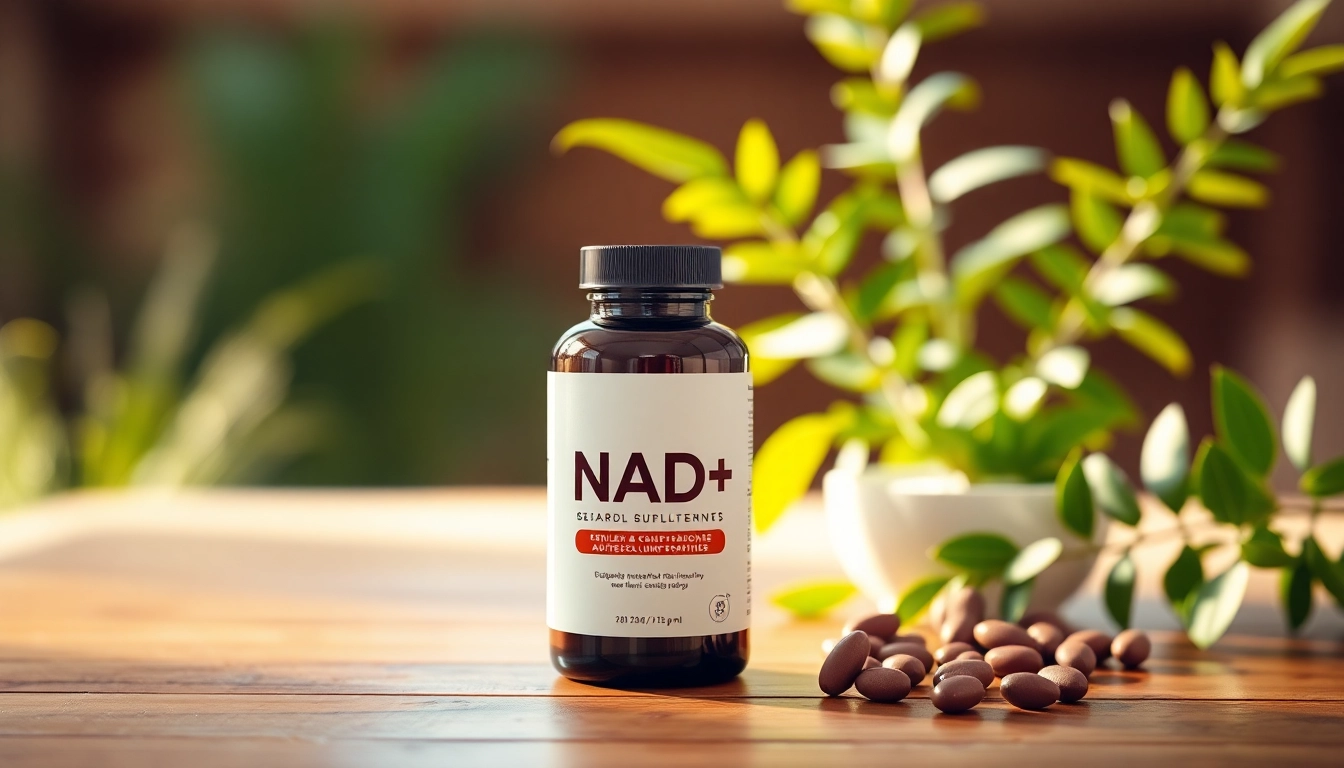
Understanding NAD+: The Essential Coenzyme
What is NAD+?
NAD+, or Nicotinamide Adenine Dinucleotide, is a vital coenzyme found in all living cells. This powerful molecule plays a crucial role in various biological processes, particularly in energy metabolism and DNA repair. As a redox cofactor, NAD+ participates in oxidation-reduction reactions, facilitating the transfer of electrons in metabolic pathways. Not only is it fundamental for maintaining cellular health, but it also acts as a substrate for several enzymes, known as sirtuins, which regulate aging and cellular stress responses. The demand for NAD+ levels increases with age, which is why understanding this coenzyme is essential for promoting longevity and well-being.
The Role of NAD+ in Cellular Functions
NAD+ is crucial for various cellular functions, serving primarily as an electron carrier in the mitochondria, where it helps convert nutrients into energy through cellular respiration. Additionally, NAD+ is involved in the synthesis of ATP (adenosine triphosphate), the energy currency of the cell. In its reduced form, NADH contributes to energy production, enhancing metabolic pathways like glycolysis and the Krebs cycle.
Beyond energy production, NAD+ is critical in repairing DNA and maintaining genome stability. It does this by activating enzymes like poly(ADP-ribose) polymerases (PARPs), which play a role in the repair of damaged DNA. Additionally, NAD+ is integral in maintaining cellular stress responses by activating sirtuins, proteins that govern cellular survival under stressful conditions.
Importance of NAD+ in Aging
Research has increasingly shown that NAD+ levels decline with age, significantly impacting health and longevity. This decline is linked to various age-related diseases, such as neurodegenerative disorders, cardiovascular diseases, and metabolic syndromes. As NAD+ levels drop, cellular processes become less efficient, leading to increased oxidative stress and a reduced capacity to repair damaged DNA.
Moreover, the decline in NAD+ negatively affects mitochondrial function, accelerating the aging process and contributing to age-related degeneration. Understanding this relationship highlights the importance of strategies to boost NAD+ levels as a means to promote healthy aging and combat age-related diseases.
How to Boost NAD+ Levels Naturally
Dietary Sources of NAD+
Diet plays a significant role in maintaining optimal NAD+ levels. Foods rich in niacin (vitamin B3), such as turkey, chicken, beef, lentils, peanuts, and mushrooms, can help support NAD+ biosynthesis. Additionally, other sources like dairy products and whole grains contribute to maintaining adequate niacin intake.
Another promising pathway for NAD+ synthesis is through the consumption of tryptophan, an essential amino acid that the body can convert into niacin. Foods like eggs, cheese, and fish can ensure sufficient tryptophan intake, potentially aiding NAD+ production.
Benefits of Exercise on NAD+
Regular physical activity is one of the most effective ways to boost NAD+ levels naturally. Exercise promotes mitochondrial biogenesis, the process of producing new mitochondria that contain increased amounts of NAD+. Physical activity has been shown to enhance the activation of sirtuins, which depend on NAD+ for their activity, thereby encouraging cellular repair processes.
Moreover, aerobic activities, such as running and swimming, have been linked to improved NAD+ metabolism. High-intensity interval training (HIIT) also shows significant promise in enhancing NAD+ levels, leading to better overall metabolic health.
Supplementing with NAD+
As interest in NAD+ has surged, various supplements claiming to boost NAD+ levels have entered the market. Such supplements often contain nicotinamide riboside (NR) or nicotinamide mononucleotide (NMN), both precursors to NAD+. Studies suggest that these supplements can effectively increase NAD+ levels in humans and promote various health benefits, such as improved energy levels, enhanced cognitive function, and cellular repair.
However, it’s vital to approach supplementation cautiously, considering potential interactions with existing health conditions or medications. Consulting a healthcare professional before starting any new supplement regimen is always recommended.
The Impact of NAD+ on Metabolism
NAD+ and Energy Production
NAD+ is at the forefront of energy metabolism within the body. It serves as a crucial cofactor in metabolic pathways responsible for converting carbohydrates, fats, and proteins into ATP, which cells use for energy. NAD+ transfers electrons during the catabolism of nutrients, thus promoting efficient energy production within the mitochondria.
This process not only fuels cellular activity but also contributes to maintaining metabolic homeostasis, providing a bridge between nutrient intake and cellular energy demand. Furthermore, elevated NAD+ levels can enhance mitochondrial function, leading to better stamina and performance during physical activities.
Improving Metabolism with NAD+
The relationship between NAD+ and metabolism extends beyond just energy production. Increased NAD+ levels have been linked to improved measures of metabolic health, including enhanced insulin sensitivity and reduced fat accumulation. These effects can be particularly beneficial for individuals struggling with metabolic disorders or obesity.
Studies have shown that enhancing NAD+ levels may lead to improved glucose metabolism and lipid profiles. This can contribute to lower blood sugar levels, improved fat oxidation, and an increased overall metabolic rate, making it an appealing target for weight management strategies.
Research on NAD+ and Weight Management
Current research has demonstrated promising results regarding the role of NAD+ in weight management. For instance, studies indicate that boosting NAD+ levels can enhance thermogenesis — the body’s ability to generate heat — which in turn can facilitate weight loss. Higher NAD+ levels promote brown adipose tissue activity, leading to increased calorie expenditure.
Additionally, NAD+ supplementation has been linked to reductions in visceral fat and improvements in metabolic markers, fostering a healthier body composition. As our understanding of NAD+ continues to evolve, it may serve as a foundational element in developing effective weight management protocols.
NAD+ and Cognitive Health
The Connection Between NAD+ and Brain Function
The brain is one of the most energy-demanding organs in the body, heavily relying on NAD+ for its metabolic functions. NAD+ plays an essential role in neurotransmitter synthesis and neuronal signaling, which are critical for maintaining cognitive function.
Research has shown that optimal NAD+ levels can enhance neuroplasticity — the brain’s ability to adapt and reorganize itself. This is particularly important for memory and learning processes, making NAD+ a focus area for cognitive health interventions.
Potential of NAD+ in Neurodegenerative Diseases
The decline in NAD+ levels has been implicated in the onset of various neurodegenerative diseases, including Alzheimer’s and Parkinson’s disease. Scientific studies suggest that restoring NAD+ levels could potentially slow down the progression of these conditions by enhancing mitochondrial function and reducing oxidative stress.
Furthermore, the activation of sirtuins, which depend on NAD+, has been linked to protective mechanisms against neuronal damage, providing a compelling case for NAD+ as a therapeutic target in neurodegenerative research.
Enhancing Mental Clarity with NAD+
Many individuals report improvements in focus, clarity, and overall cognitive function with NAD+ supplementation. By supporting mitochondrial health and metabolic efficiency, NAD+ can enhance brain energy availability, thus improving mental performance.
Additionally, adequate NAD+ levels may alleviate symptoms of mental fatigue and promote better mood regulation. As research progresses, understanding the full scope of NAD+’s impact on cognitive health will be intriguing.
Frequently Asked Questions About NAD+
What are the side effects of NAD+ supplements?
NAD+ supplements are generally safe, with most side effects being mild, such as nausea or flushing. Most individuals tolerate them well, but it’s advisable to consult with a healthcare professional if any concerns arise.
Can NAD+ improve skin health?
Yes, NAD+ has been shown to support cellular repair mechanisms, which can enhance skin vitality and resilience. By boosting NAD+, the skin may exhibit improved hydration and reduced signs of aging.
How quickly can I see results from NAD+?
Benefits from NAD+ may vary by individual, but many report noticeable improvements in energy levels within a few weeks of consistent supplementation, depending on dosage and personal health conditions.
Is NAD+ supplementation suitable for everyone?
While generally safe for most, individuals with underlying health conditions or those on certain medications should consult a healthcare provider before beginning NAD+ supplementation to ensure safety and appropriate use.
Are there vegan sources of NAD+?
Yes, several plant-based foods rich in niacin, such as brown rice, peas, avocados, and nuts, can help boost NAD+ levels naturally, making it possible for vegans to support their NAD+ requirements through a balanced diet.