
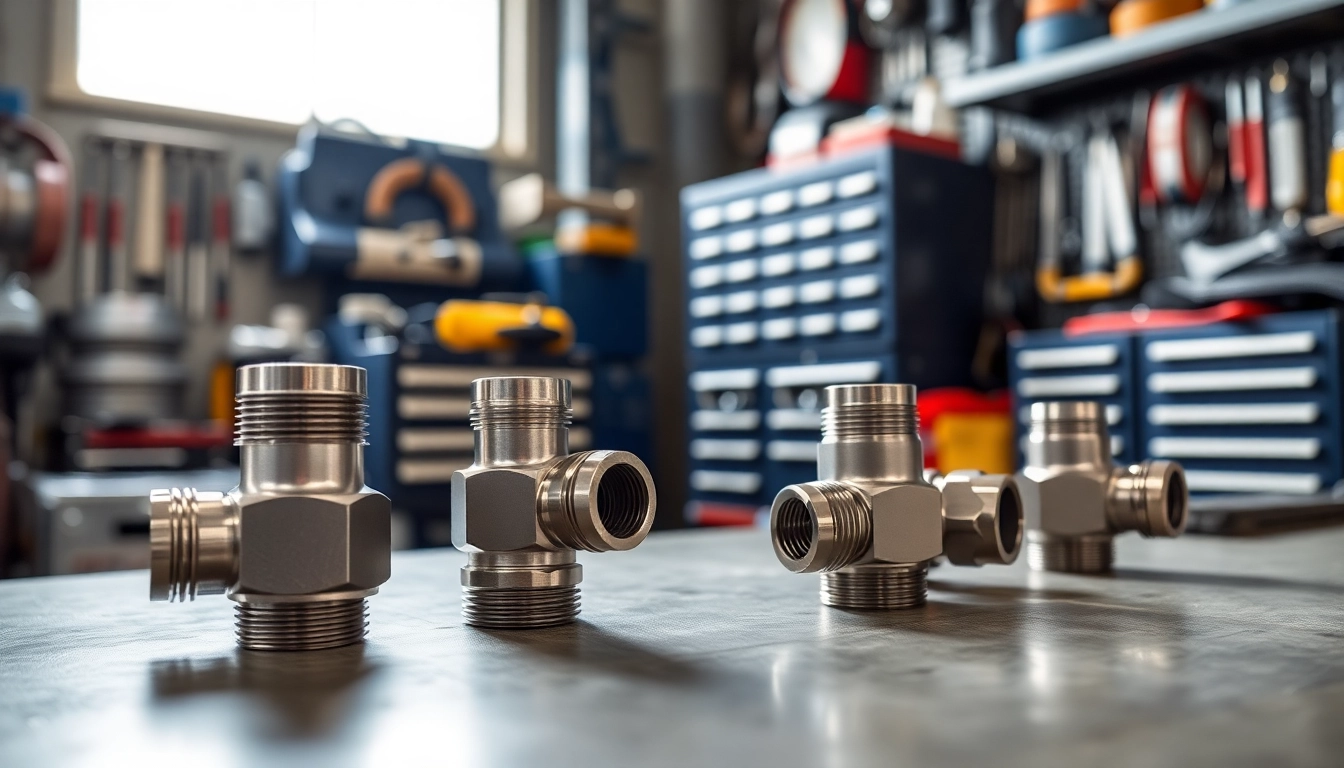
Introduction to Oil line AN fittings
In the world of automotive performance and customization, the need for reliable and efficient connections in fluid systems cannot be overstated. Oil line AN fittings play a crucial role in ensuring that various fluids circulate smoothly throughout a vehicle’s engine and other critical systems. Understanding these fittings is essential not only for automotive enthusiasts but for anyone involved in vehicle maintenance and modification.
What are Oil line AN fittings?
Oil line AN fittings are specialized connectors used to create secure and leak-proof connections in high-performance oil lines. The “AN” stands for Army-Navy, which references the military specifications that originally defined these fittings. AN fittings are designed to work with a range of hoses and piping systems, offering flexibility and durability under high-pressure conditions.
History and evolution of Oil line AN fittings
The origins of AN fittings can be traced back to World War II, where they were developed for use in military aircraft. The need for lightweight yet robust fluid connections led to the design of these fittings, which quickly gained popularity not only in aviation but also in the automotive sector. Over the years, variations and advancements have been made to accommodate a wider range of applications, including racing, custom builds, and street performance vehicles.
Key features of Oil line AN fittings
These fittings are characterized by several key features:
- Thread Type: AN fittings utilize a 37-degree flare angle to create a tight seal, reducing the risk of leaks.
- Material Options: They are available in various materials, including aluminum, steel, and stainless steel, each providing unique benefits according to the intended application.
- Compatibility: AN fittings are compatible with both rigid lines and flexible hoses, making them versatile for different setups.
- Customizability: With numerous sizes and configurations available, these fittings can be tailored to meet specific custom applications, ensuring an optimal fit regardless of the project requirements.
Types of Oil line AN fittings
AN fitting styles and their applications
Understanding the various styles of AN fittings is crucial for selecting the right one for your application. Common styles include:
- Straight Fittings: Ideal for direct connections between hoses or pipes without altering the fluid’s path.
- Elbow Fittings: Perfect for changing directions, typically available in various angles (90 degrees, 45 degrees, etc.) to navigate tight spaces.
- Tee Fittings: Used to create branches in the flow of fluid, allowing the diversion to additional components, such as oil coolers or filters.
- Union Fittings: Allow for the joining of two hoses or pipes, providing a removable connection that can be easily serviced.
Standard sizes of Oil line AN fittings
AN fittings are available in a standardized size system that corresponds to the outer diameter of the hose or line. Common sizing includes AN-4 (1/4 inch), AN-6 (3/8 inch), AN-8 (1/2 inch), and so on, up to AN-20 (1-1/4 inches). Selecting the right size is critical to ensure optimal flow and avoid potential restrictions that can affect performance.
Comparing different materials for Oil line AN fittings
Choosing the right material for AN fittings involves several considerations:
- Aluminum: Lightweight and resistant to corrosion, aluminum is a popular choice for most performance applications. However, it may not withstand high temperatures as well as other materials.
- Steel: Strong and durable, steel fittings can handle high-pressure applications but may be heavier and prone to rust if not properly treated.
- Stainless Steel: Combining the benefits of both aluminum and steel, stainless steel offers excellent durability and corrosion resistance, making it suitable for both street and racing applications.
Installation and maintenance of Oil line AN fittings
Tools needed for installing Oil line AN fittings
Proper installation of AN fittings requires a set of specific tools to ensure a secure and leak-free connection. Essential tools include:
- AN Wrench: A specialized wrench designed to grip the flats of AN fittings without damaging them.
- Cutting Tool: For cutting hoses to the desired length without fraying the ends.
- Deburring Tool: Used to remove sharp edges from hose ends after cutting, preventing potential damage to fittings.
- Torque Wrench: To apply the correct amount of torque to fittings to ensure a proper seal.
Best practices for maintaining Oil line AN fittings
Maintaining AN fittings is crucial to ensure their longevity and performance. Key maintenance practices include:
- Regular Inspections: Routinely check for signs of wear, corrosion, or leaks. Address any issues immediately to prevent failures.
- Cleaning: Keep fittings and hoses free from debris and oil buildup. Use suitable solvents and tools for cleaning.
- Proper Storage: Store fittings and hoses in a manner that prevents damage, such as avoiding exposure to harsh chemicals or extreme temperatures.
Common installation mistakes to avoid
Even experienced enthusiasts can make mistakes during installation. Common errors include:
- Over-tightening: Applying too much torque can deform fittings and create leaks.
- Using the Wrong Size: Choosing the incorrect size can lead to flow restrictions or connection failures.
- Neglecting to Deburr: Failing to remove sharp edges can cause damage to hoses and fitting seals, leading to leaks.
Performance and benefits of using Oil line AN fittings
How Oil line AN fittings enhance efficiency
AN fittings are designed to ensure smooth and efficient fluid flow. Their unique flare design minimizes turbulence, which not only enhances fluid efficiency but also helps maintain consistent performance under varying pressure conditions.
Impact on overall vehicle performance
Using quality Oil line AN fittings can significantly improve overall vehicle performance. By ensuring reliable connections, they enhance the efficiency of oil delivery to and from critical components, thereby optimizing engine performance and prolonging component life.
Longevity and durability of Oil line AN fittings
Investing in high-quality AN fittings contributes to a vehicle’s longevity. Built to withstand intense conditions—including high temperatures and pressures—these fittings reduce the risk of leaks and failures, translating into fewer maintenance headaches and longer service intervals.
FAQs about Oil line AN fittings
What materials are Oil line AN fittings made from?
Oil line AN fittings are commonly made from aluminum, steel, and stainless steel. Each material has distinct advantages depending on application needs, including weight, strength, and corrosion resistance.
How do I choose the right size for Oil line AN fittings?
Select the right size by measuring the outer diameter of your hose or pipe. Common sizes range from AN-4 to AN-20, with each fitting type maintaining a corresponding size designation.
Can Oil line AN fittings be reused?
Yes, Oil line AN fittings can often be reused, as long as they are in good condition. Regular inspections are crucial to ensure they are not worn or damaged, as this could compromise seals.
What tools will I need for installation of Oil line AN fittings?
You will need an AN wrench, cutting tool, deburring tool, and preferably a torque wrench to ensure a secure, leak-free installation.
Are Oil line AN fittings suitable for high-performance applications?
Absolutely! Oil line AN fittings are engineered for high-performance environments, providing the strength and reliability required in racing and modified vehicle scenarios.