
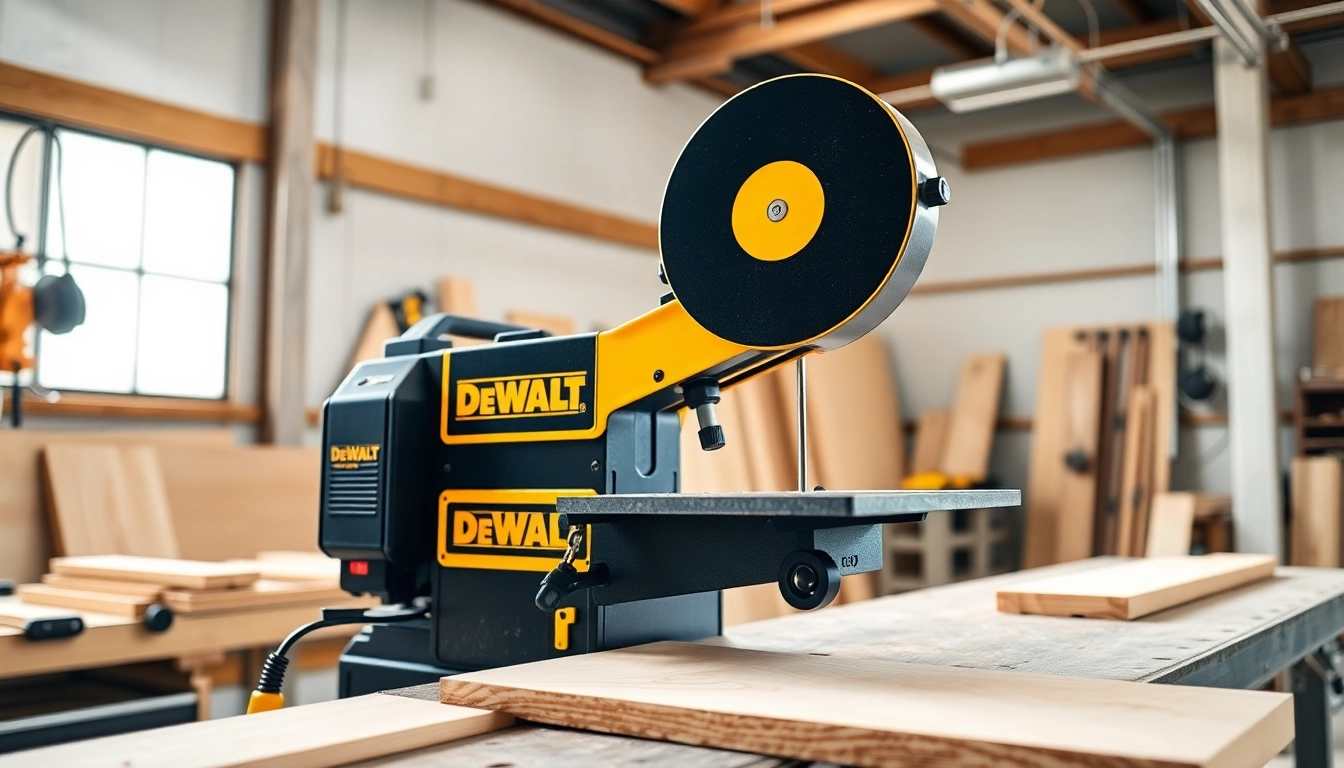
Introduction to DeWalt Band Saw
In the realm of power tools, few brands are as synonymous with quality and reliability as DeWalt. Among their extensive lineup, the DeWalt band saw stands out for its versatility and precision. Designed for both amateur enthusiasts and seasoned professionals, the DeWalt band saw is a powerful tool that allows users to make intricate cuts across various materials with ease. This article will explore the features, benefits, maintenance, applications, and troubleshooting tips related to the DeWalt band saw, ensuring that you have all the information you need to maximize your tool’s utility.
The DeWalt band saw is not just a tool; it’s an investment in efficiency and effectiveness for your projects.
What is a DeWalt Band Saw?
A band saw is a power tool that utilizes a long, continuous band of metal with teeth on one edge to cut through materials. The DeWalt band saw is specifically engineered for cutting a variety of materials, including wood, metal, and plastic. With its robust motor and finely calibrated blade, this tool is perfect for creating straight cuts, intricate curves, and even re-sawing lumber to achieve desirable thicknesses.
Key Features of DeWalt Band Saw
The DeWalt band saw is equipped with several key features that enhance its performance and usability:
- Powerful Motor: Most models feature a high-torque motor that delivers exceptional cutting speed and efficiency, minimizing downtime.
- Variable Speed Settings: Users can adjust the blade speed depending on the material being cut, allowing for more precise control.
- Lightweight Design: The portability of DeWalt band saws makes them easy to maneuver, particularly for on-site jobs.
- Safety Features: Many models include safety guards and blade brake systems to protect users during operation.
- Compatibility with Diverse Blades: The DeWalt band saw is compatible with a variety of blade types to accommodate different projects.
Understanding the Band Saw Mechanism
At its core, the band saw operates by running a continuous loop of blade material around two wheels. When the saw is powered on, the blade is set into motion, allowing for cutting. The adjustable blade tension helps maintain accuracy and stability during operation, while guides keep the blade aligned. Understanding how these mechanics work can empower the operator to make necessary adjustments, resulting in smoother cuts and improved overall performance.
Benefits of Using a DeWalt Band Saw
Enhanced Precision and Control
Precision is paramount in woodworking and metalworking alike. The design of the DeWalt band saw minimizes vibration and provides a stable cutting platform. This allows for intricate cuts without the risk of drifting off the desired line. Users report that the ease of maneuvering the tool enhances control, leading to better end results in projects.
Versatility in Cutting Materials
The architecture of the DeWalt band saw provides the versatility to tackle numerous materials. Whether you are cutting hardwood, softwood, plastic, or even certain metals, the DeWalt band saw adapts well to your project’s demands. This makes it an invaluable tool for anyone needing multipurpose functionality without the hassle of switching equipment.
Improved Safety Features
One of the major concerns when using power tools is safety. DeWalt prioritizes user safety with features such as blade guards, kickback prevention mechanisms, and the automatic blade brake. These aspects not only improve the user’s confidence while operating the tool but also contribute to a safer work environment overall.
Best Practices for Maintaining Your DeWalt Band Saw
Regular Cleaning and Maintenance
To ensure longevity and optimal performance, regular maintenance of your DeWalt band saw is crucial. This includes cleaning the saw after each use to remove buildup of dust and debris, which can affect performance. It is also advisable to periodically check hardware for any loose screws or conditions that may require tightening or lubrication.
Proper Blade Selection and Replacement
The choice of blade plays a fundamental role in how well a band saw operates. Users should select the appropriate blade type and size for the material being cut. It’s important to monitor the blade’s condition and replace it as soon as signs of dullness occur; a sharp blade ensures clean, efficient cuts and reduces strain on the motor.
Calibration for Optimal Performance
Calibration is an essential step in maintaining precision when using a DeWalt band saw. Regularly check and adjust the blade tension and alignment according to the manufacturer’s specifications. Proper calibration minimizes wear on the tool and enhances the quality of cuts, ensuring a professional finish on all projects.
Applications of DeWalt Band Saw in Various Projects
Cuts for Woodworking Projects
Woodworkers cherish the DeWalt band saw for its capability to perform diverse cuts, from rip cuts to intricate curves. These saws are particularly useful in furniture-making, cabinetry, and crafts that require detailed wood shaping. The smooth, clean cuts achievable with a DeWalt band saw reduce the need for extensive sanding or rework, ultimately speeding up project timelines.
Utility in Metalworking Tasks
In metalworking, the DeWalt band saw excels in cutting through ferrous and non-ferrous metals with ease. It allows artisans to slice through steel and aluminum sheets for custom fabrication projects. The adaptability of speed settings permits users to adjust to different metal thicknesses, ensuring that all cutting tears occur seamlessly without compromising the integrity of the material.
Creative Uses in Crafting
Beyond conventional woodworking and metalworking, the DeWalt band saw has gained popularity among crafting enthusiasts for tasks such as creating personalized designs and decorations. From homemade signage to intricate artistic pieces, the versatility and precision provided by this tool make it a preferred choice for artisans and hobbyists alike.
Common Issues and Troubleshooting with DeWalt Band Saw
Blade Alignment Problems
One common challenge users may encounter with the DeWalt band saw is improper blade alignment, which can result in uneven cuts. Regularly checking alignment and adjusting the tracking of the blade on the wheels is a simple fix that can enhance performance.
Motor Performance Issues
If the DeWalt band saw motor experiences reduced performance or odd noises, it may be indicative of issues such as binding or overheating. Performing regular inspections and ensuring the tool is adequately lubricated can often prevent these issues. If the problem persists, consulting the manufacturer’s guidelines for troubleshooting or seeking professional assistance is advisable.
Tips for Effective Troubleshooting
Effective troubleshooting starts with a thorough understanding of the tool’s mechanics and a methodical approach. Identifying any irregularities in sound, vibration, or cut quality can often lead to swift resolutions. Keeping the owner’s manual handy can help in diagnosing issues, as it provides specifics on adjustments and maintenance.
In conclusion, the DeWalt band saw is a remarkable tool that enhances the precision and efficiency of various cutting tasks across different materials. By implementing the best practices outlined and understanding the features, benefits, and potential troubleshooting needs, users will fully leverage the capabilities of their DeWalt band saw. For thorough evaluations and a range of DeWalt tools, consider exploring all that Mister Worker has to offer.