
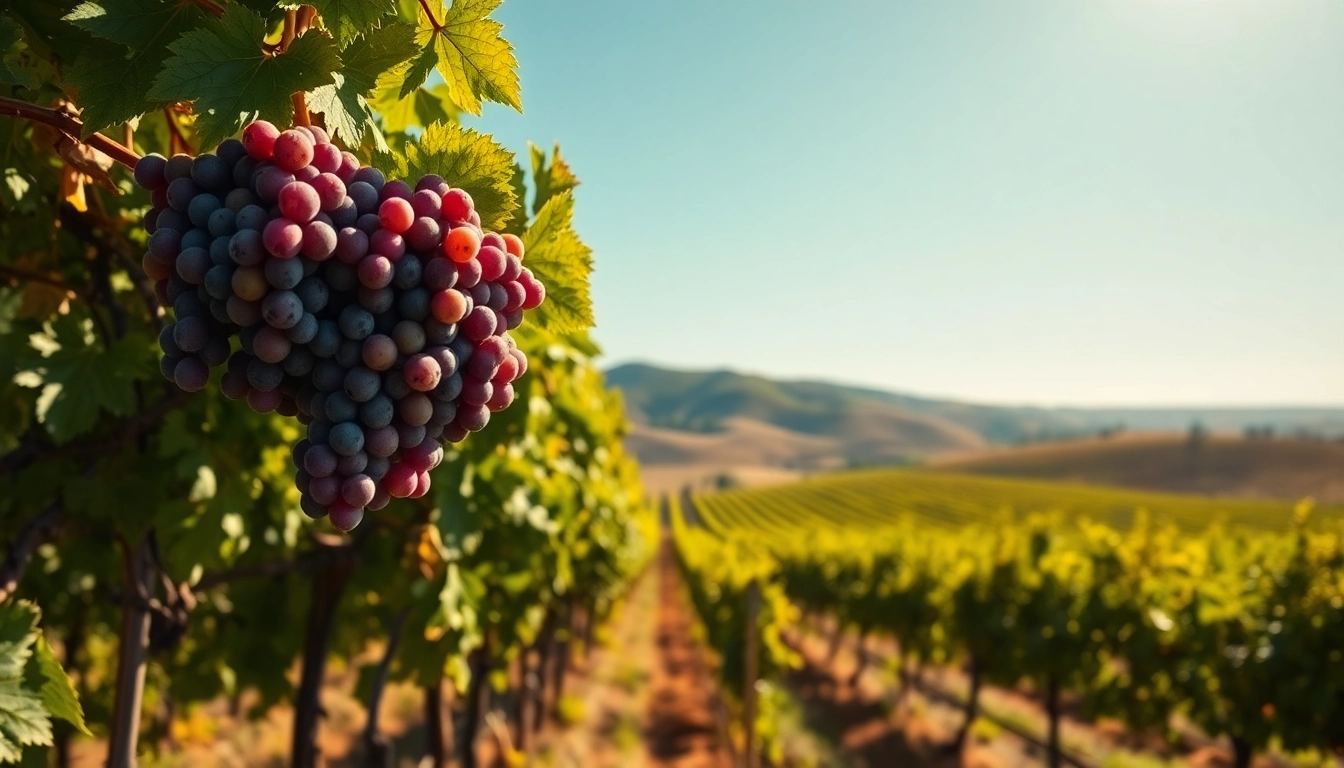
Introduction to Clarksburg Wines
Nestled in the heart of California’s Sacramento Valley, the Clarksburg wines region is a hidden gem for both novice enthusiasts and seasoned oenophiles. Known for its rich soil, temperate climate, and innovative winemaking techniques, Clarksburg is poised to offer some of the most unique and delightful wine experiences in the country. This article delves into the intricate tapestry of Clarksburg wines, exploring its history, vineyard landscapes, tasting notes, and everything you need to know to enjoy these exceptional wines fully.
What Makes Clarksburg Unique?
Clarksburg’s uniqueness stems from its geographical advantages and its cool climate influenced by the nearby Sacramento River. This setting creates optimal conditions for growing diverse grape varietals, particularly Chenin Blanc, Zinfandel, and Cabernet Sauvignon. The region’s distinctive terroir—characterized by deep silt loam soils and proximity to waterways—enhances the flavor profiles of the wines produced here.
Additionally, Clarksburg is home to numerous family-owned wineries that prioritize sustainable agriculture and innovative practices. This commitment to natural methods resonates in the glass, giving each wine a sense of place. Furthermore, its community of winemakers fosters a culture of collaboration, resulting in delicious, high-quality offerings that attract wine lovers from afar.
The History of Winemaking in Clarksburg
The history of winemaking in Clarksburg is a story of resilience and transformation. Although viticulture in the area dates back to the late 19th century, it wasn’t until the 1990s that Clarksburg gained recognition as a distinct American Viticultural Area (AVA). Early settlers recognized the fertile lands along the riverbanks, bringing European grape varietals that thrived in this environment.
In recent decades, a revival of interest has led to the establishment of numerous wineries and vineyards dedicated to producing high-quality wines. This renewed enthusiasm, combined with well-preserved traditions, has enabled Clarksburg to carve a niche within California’s robust wine culture, attracting an array of innovators interested in pushing boundaries while maintaining the region’s heritage.
Overview of Clarksburg Appellation
The Clarksburg AVA is characterized by its location within a three-county span covering Sacramento, Solano, and Yolo counties. The area benefits from a Mediterranean climate with a long growing season and ample sunlight, crucial for ripening grapes. Additionally, the cooling influence of evening breezes from the Sacramento Delta promotes slow maturation, allowing for the development of complex flavors.
This AVA is known for its diverse grape selections, with the most commonly grown varietals being Chenin Blanc, which is particularly well-suited to the region, and red varietals like Zinfandel and Syrah that thrive in its warm days and cool nights. This diversity not only enhances the quality of wines produced but also showcases the ability of Clarksburg to excel across various styles and grape types.
Vineyard Profiles
Top Vineyards Crafting Clarksburg Wines
Clarksburg is home to several esteemed vineyards known for their artisanal practices and quality production. Some standout names include:
- Bogle Vineyards: Known for its high-quality Chenin Blanc and Old Vine Zinfandel, Bogle has become a staple in the region.
- Heringer Estates: A family-owned vineyard producing a range of varietals that emphasize the essence of the Clarksburg terroir.
- Miner’s Leap Winery: Offering an array of award-winning wines while focusing on sustainable farming practices.
Each of these vineyards brings a unique perspective and style, contributing to the rich narrative of Clarksburg wines. They emphasize small-batch production and a hands-on approach to winemaking, where each bottle tells a story.
Profiles of Local Winemakers
The heart of Clarksburg wines lies in its passionate winemakers, whose artistry and dedication to their craft yield exceptional bottles. Take, for instance, the talented winemakers in the area who practice minimal intervention techniques, ensuring that the wines express their true character. These winemakers often start as small operations before expanding, allowing their signature styles to flourish. The local community thrives on collaboration; winemakers frequently share insights and techniques, driving collective growth and enriching the wines Clarksburg produces.
Sustainable Practices in Clarksburg Vineyards
Sustainability is critical in the Clarksburg wine scene. Many vineyards utilize organic and biodynamic practices to cultivate grapes, which leads to healthier soil and more vibrant fruit. Water conservation techniques, such as dry farming and efficient irrigation systems, are frequently employed to minimize environmental impact. Moreover, several wineries have incorporated solar energy systems to power their facilities, further reducing their carbon footprint.
These sustainable practices not only contribute to the health of the environment but also enhance the quality of the wines produced, resulting in products that are clean, bright, and expressive of the terroir.
Exploring Clarksburg Wines
Tasting Different Varietals
Clarksburg is celebrated for its diverse range of varietals that appeal to various palates. Popular among wine enthusiasts is the Chenin Blanc, a crisp, refreshing white that boasts notes of green apple and pear, making it ideal for warm weather. The Zinfandel, on the other hand, offers a deeper, richer experience with its ripe berry flavors, balanced acidity, and a touch of spice.
Visitors to the region can participate in tastings that highlight these distinctions, allowing them to explore the interplay of fruit, acidity, and oak influence in different wines. This exploration can lead to delightful discoveries and elegant pairings that elevate any culinary experience.
Food Pairings for Clarksburg Wines
Food pairing plays a vital role in enhancing the enjoyment of Clarksburg wines. The crisp acidity of Chenin Blanc pairs beautifully with seafood dishes, particularly grilled salmon or light salads, while Zinfandel complements richer fare such as barbecued meats or hearty pastas. Local cuisine that features fresh, seasonal ingredients further showcases the versatility of Clarksburg wines.
Additionally, cheese lovers will find that a well-aged Cheddar or creamy Brie pairs wonderfully with many Clarksburg varietals, making wine-and-cheese pairings an exciting adventure for home entertainers and gastronomes alike.
Best Ways to Enjoy Clarksburg Wines
Enjoying Clarksburg wines can be a multifaceted experience. Beyond savoring them at home, consider taking part in guided wine tours through the Clarksburg AVA. These tours often include tastings at various vineyards, offering insights from winemakers and immersive experiences within the vineyards. Participating in wine-and-food pairing events can also deepen your appreciation, promoting a holistic approach to enjoyment.
For those wanting a more intimate affair, organizing a wine tasting soirée with friends can be a superb way to explore multiple facets of Clarksburg wines. By sampling various varietals, you can discover what resonates best with your taste buds.
Visiting Clarksburg Wine Country
Wine Tours and Tasting Experiences
When visiting Clarksburg, indulging in wine tours and tastings is a must. Many vineyards offer guided tours that take you through the vineyards, explaining the production process, grape selection, and the philosophy behind each wine. Typically followed by tastings, these experiences often include a selection of the vineyard’s finest wines paired with light appetizers to enhance the tasting session.
Additionally, many vineyards host open house events and seasonal festivals that invite visitors to explore the vineyards while enjoying local music, food trucks, and artisanal goods—creating a festive atmosphere that blends community spirit with wine appreciation.
Annual Events Celebrating Clarksburg Wines
Clarksburg hosts various annual events celebrating its rich wine culture. Events such as the Clarksburg Harvest Festival draw crowds eager to sample local wines and artisanal fare. Additionally, special tastings and releases during the harvest season give wine enthusiasts the chance to taste new varietals and vintage selections directly from the vineyards.
These gatherings provide not only a wonderful opportunity to sample wines but also a chance to mingle with like-minded individuals, fostering a sense of community among wine lovers.
Accommodations Nearby for Wine Lovers
For those planning to indulge in the delights of Clarksburg wines, various accommodation options are available. Cozy bed-and-breakfasts, boutique hotels, and even vineyard stays allow guests to immerse themselves in the local ambiance. Many establishments provide special wine packages or collaborate with local vineyards to enhance the wine taster’s journey, offering a full sensory experience that only Clarksburg can provide.
Choosing accommodations that offer easy access to wine tours, restaurants, and local attractions helps create a seamless visit, ensuring that wine lovers can relish their time in this remarkable wine region.
FAQs about Clarksburg Wines
Where is Clarksburg Wine Region Located?
Clarksburg is an American Viticultural Area in California’s Sacramento Valley that spans portions of Sacramento, Solano, and Yolo Counties, offering a unique wine-growing environment.
What Types of Grapes are Grown in Clarksburg?
Clarksburg is known for diverse grape varietals such as Chenin Blanc, Zinfandel, and Cabernet Sauvignon, each thriving due to the region’s climate and soil conditions.
How Can I Buy Clarksburg Wines Online?
Clarksburg wines can be purchased online through various winery websites and platforms that offer direct sales, often featuring limited releases and special discounts.
Are Clarksburg Wines Organic?
Many vineyards in Clarksburg employ organic and sustainable farming practices, ensuring high-quality grapes while promoting environmental health within the vineyard ecosystem.
What are the Best Food Pairings with Clarksburg Wines?
The best food pairings include grilled seafood with Chenin Blanc and barbecued meats with Zinfandel. Seasonal produce and cheese serve as excellent accompaniments as well.