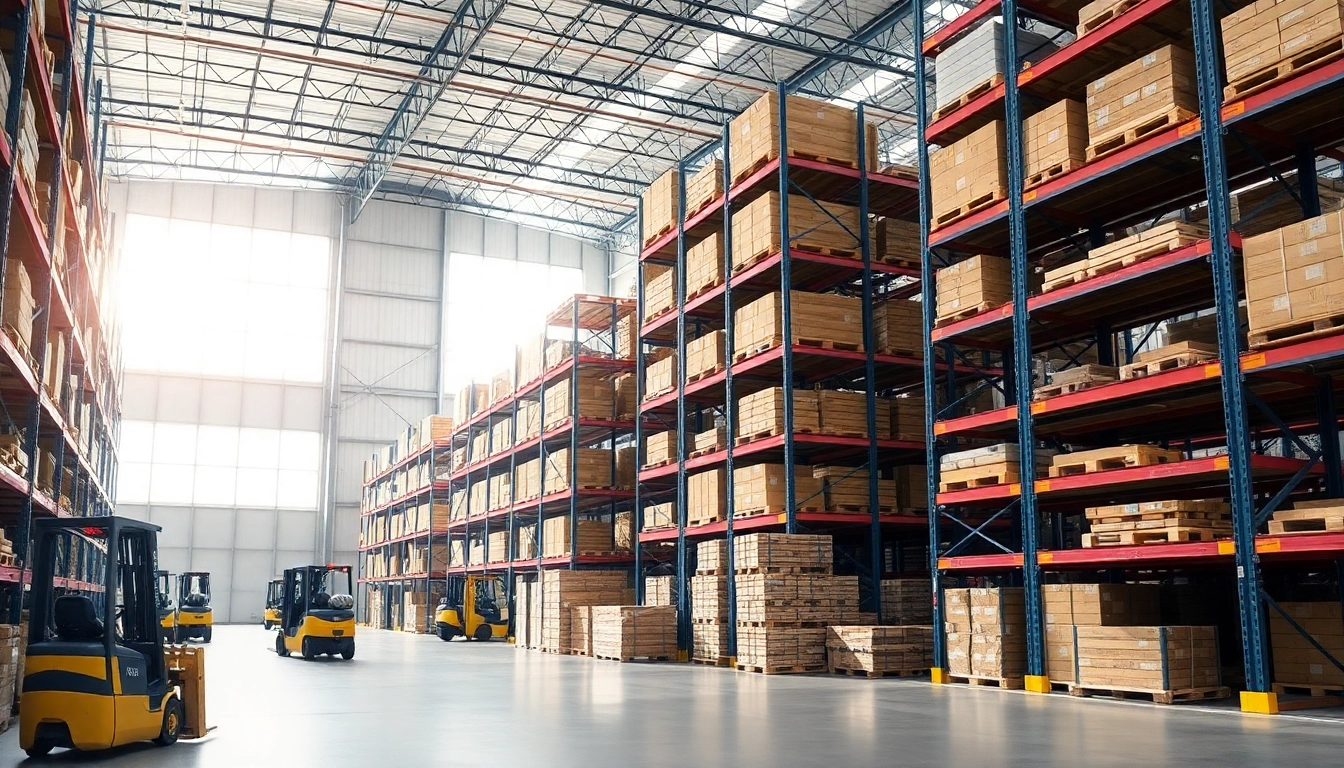
Understanding the Basics of Warehousing
What is Warehousing?
Warehousing refers to the process of storing goods in a designated location, often referred to as a warehouse, until they are needed for distribution or manufacturing. This storage process is crucial to supply chain management, allowing companies to efficiently manage inventory levels, control costs, and ultimately meet customer demands. In practice, warehousing involves receiving, storing, and dispatching goods, ensuring they are handled efficiently while minimizing risks such as damage or theft.
Types of Warehousing Solutions
Warehousing solutions can vary significantly based on the specific needs of businesses. Here are the primary types:
- Public Warehousing: These facilities offer space for multiple businesses and are managed by a third-party provider. Public warehousing is beneficial for companies that require short-term storage and don't want to invest in their own facilities.
- Private Warehousing: Owned and operated by a company, private warehouses provide complete control over operations and storage space. This option is ideal for businesses with high inventory levels that need long-term storage solutions.
- Contract Warehousing: This combines elements of both public and private warehousing, where a third-party operator provides warehouse services under contract. It is often tailored to the specific needs of the company.
- Smart Warehousing: Incorporating advanced technologies, smart warehousing enhances operational efficiency and reduces labor costs through automation and optimization of workflows.
The Importance of Efficient Warehousing
Efficient warehousing plays a vital role in the overall effectiveness of supply chain and inventory management. Key benefits include:
- Cost Reduction: Streamlined processes reduce operational costs and increase profitability.
- Improved Customer Satisfaction: Efficient warehousing allows for quicker order fulfillment, enhancing the customer experience.
- Space Optimization: Effective warehousing strategies make better use of available space, leading to more efficient inventory storage.
- Scalability: An efficient warehousing operation can adapt to changes in demand and growth, allowing for business expansion without significant additional investment.
Key Components of Effective Warehousing
Warehouse Layout Design
The layout of a warehouse significantly impacts its operational efficiency. Optimizing warehouse layout requires considering several key factors:
- Flow of Goods: Design should support efficient movement of goods in a logical flow from receipt to storage and eventually to dispatch.
- Storage Solutions: Using various storage configurations (such as pallet racking, shelving, or bins) can improve space utilization.
- Workstation Design: Defined work areas for packing, sorting, and shipping help organize activities and streamline workflows.
- Safety Considerations: A well-planned layout will also include considerations for safety, reducing hazards associated with worker movement and material storage.
Inventory Management Systems
Effective inventory management is critical in warehousing. Technology solutions can help manage inventory levels, track items accurately, and increase visibility. Key components of an effective inventory management system include:
- Real-Time Tracking: Utilizing barcode or RFID technology can provide real-time visibility into inventory levels and locations.
- Forecasting: Predictive analytics can help anticipate future inventory needs based on sales trends and historical data.
- Automated Reordering: Setting thresholds for inventory levels can help automate reordering processes, ensuring stock levels remain optimal.
Warehouse Safety and Compliance
Ensuring safety in the warehouse is paramount. Compliance with regulatory standards helps protect workers and assets. Key safety components include:
- Training Programs: Regular safety training for employees helps raise awareness and reduce accidents.
- Personal Protective Equipment (PPE): Providing appropriate PPE reduces the risk of injuries.
- Emergency Procedures: Clear emergency plans and regular drills ensure preparedness in case of incidents.
Technologies Transforming Warehousing
Automation in Warehousing
Automation in warehousing is revolutionizing the industry, enhancing speed and accuracy while reducing costs. Technologies include:
- Automated Guided Vehicles (AGVs): These driverless vehicles can transport materials throughout the warehouse, minimizing the need for manual handling.
- Robotic Picking Systems: Robots equipped with advanced manipulative capabilities can pick items in warehouses more efficiently than humans.
- Sorting Systems: Automated sorting systems speed up order fulfillment by directing items to the correct shipping area without human intervention.
Using Data Analytics for Efficiency
Data analytics has emerged as a powerful tool in warehousing. By analyzing data, companies can enhance efficiency through:
- Inventory Visibility: Analyzing data helps firms understand inventory flows, leading to improved management decisions.
- Dynamic Space Management: Data insights can inform decisions about adjusting storage allocations based on seasonal demand.
- Predictive Analytics: This can help forecast demand and optimize staffing and inventory processes accordingly.
Integrating IoT in Warehousing Operations
The Internet of Things (IoT) plays a crucial role in modern warehousing, enabling connected devices to provide valuable insights. Benefits include:
- Real-Time Monitoring: IoT devices track the condition of goods in real-time, alerting managers to any potential issues.
- Asset Tracking: IoT sensors can track equipment and inventory locations, reducing losses and improving efficiency.
- Predictive Maintenance: IoT can foresee equipment breakdowns before they occur, allowing for timely maintenance and minimizing downtime.
Challenges in Warehousing and Solutions
Managing Space Constraints
Space constraints are a common challenge in warehousing. To effectively manage limited space, consider implementing:
- Vertical Storage Solutions: Optimizing vertical space through tall shelving and racking can maximize storage capacity.
- Flexible Storage Options: Using adjustable shelving and mobile racking systems allows for quick reconfiguration based on inventory changes.
- Regular Inventory Audits: Periodic assessments of inventory can identify underperforming areas, enabling better allocation of space.
Dealing with Inventory Shrinkage
Inventory shrinkage, whether due to theft, damage, or errors, can impact profitability. Mitigation strategies include:
- Improved Training: Training staff on best practices for handling and safeguarding inventory can reduce shrinkage rates.
- Robust Security Measures: Employing security cameras and access controls can deter theft and improve accountability.
- Regular Reconciliation: Frequent inventory checks help identify discrepancies early, aiding in correction and prevention strategies.
Improving Labor Efficiency
Labor efficiency in warehousing is key to productivity. Enhancements can be achieved through:
- Process Automation: Automating repetitive tasks frees up staff for more complex tasks that require human intervention.
- Employee Training: Continued training and development can increase employee skills and motivation, leading to improved efficiency.
- Workforce Management Software: Implementing software solutions can help allocate the right number of workers to necessary tasks based on demand fluctuations.
Measuring Warehousing Performance
Key Performance Indicators (KPIs) to Track
Measuring performance in warehousing is critical for identifying areas of improvement. Key performance indicators (KPIs) include:
- Order Accuracy: The percentage of orders delivered accurately can provide insight into operational efficiency.
- Inventory Turnover Rate: This metric shows how many times inventory is sold and replaced over a specific period, signifying effective inventory management.
- Storage Density: Calculating the volume of inventory relative to the storage space used helps identify potential areas for increased efficiency.
Conducting Periodic Audits and Assessments
Regular audits and assessments promote continuous improvement. Implement the following practices:
- Routine Compliance Checks: Periodic evaluations ensure adherence to safety regulations and operational standards.
- Performance Reviews: Assessing team performance can highlight highly effective practices and areas needing development.
- Feedback Loops: Gathering feedback from employees can uncover insights on day-to-day operations, facilitating improvements.
Improvement Strategies for Continuous Growth
Adopting a mindset of continuous improvement within warehousing operations ensures long-term success. Key strategies include:
- Embracing Innovation: Keeping up with new technologies and processes fosters a culture of adaptation and flexibility.
- Investing in Employee Development: Continuous training and skill improvement can enhance workforce capabilities and morale.
- Benchmarking: Compare performance against industry standards to gauge progress and set realistic goals for improvement.
Frequently Asked Questions
What is the primary function of warehousing?
The primary function of warehousing is to store goods safely until they are needed for distribution or manufacturing.
How can warehouse layout impact efficiency?
A well-designed warehouse layout optimizes space utilization, reduces picking time, and enhances workflow efficiency.
What role does technology play in warehousing?
Technology such as automation and data analytics increases efficiency, reduces errors, and improves inventory management.
How do you measure warehouse performance?
Performance can be measured using key performance indicators (KPIs) such as order accuracy, inventory turnover rate, and storage density.
What are common challenges in warehousing?
Common challenges include space constraints, inventory shrinkage, and the need for effective workforce management.