Understanding Home Design Themes
Popular Design Styles
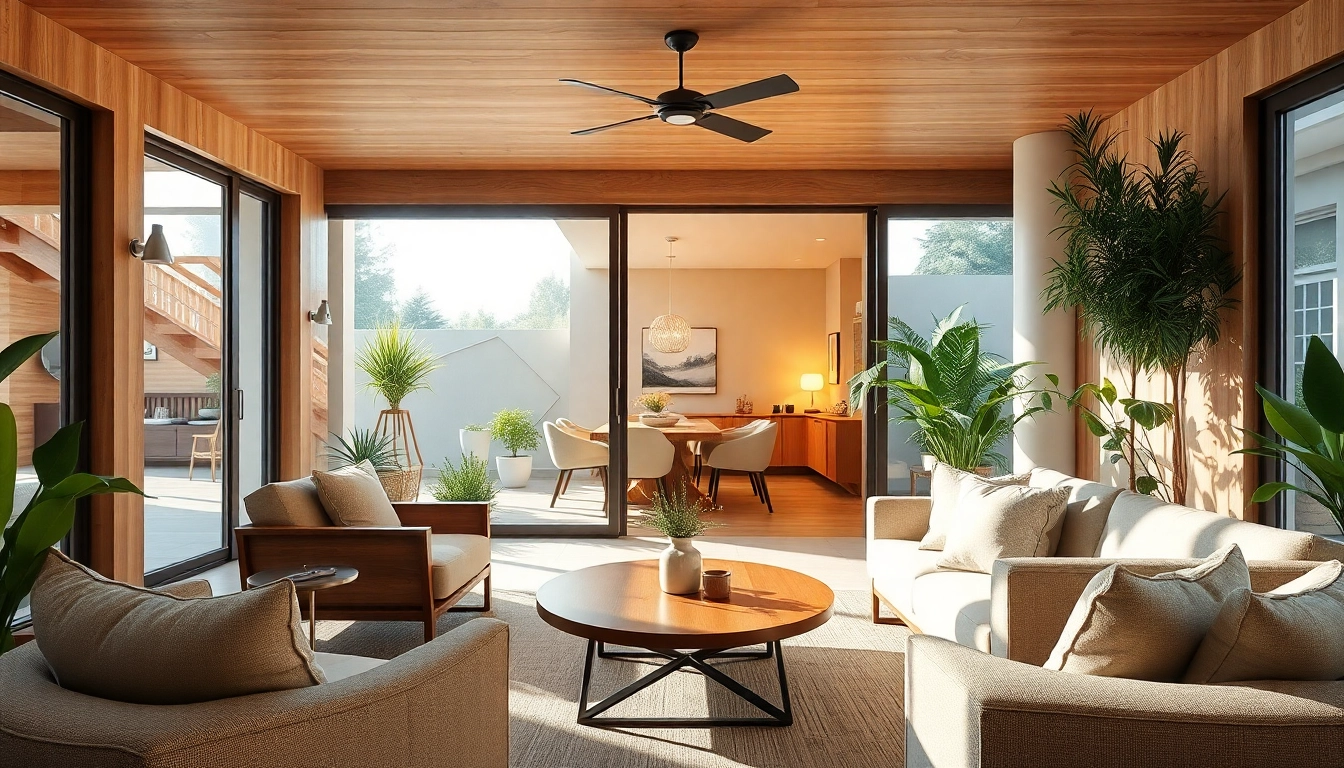
Home design is an incredible canvas that reflects personal taste and lifestyle. There are various popular design styles that capture different aesthetics and functionalities. From the modern minimalism characteristic of Scandinavian design to the rich historical essence found in Victorian-style homes, each style has its followers and unique features.
Incorporating design styles such as rustic, industrial, and mid-century modern can considerably transform spaces. Each style brings with it distinct elements such as furniture choice, materials, and color palettes. Familiarity with these can help homeowners curate spaces that resonate with their personality and desired ambiance.
Choosing Your Theme
Choosing the right theme is akin to selecting the wardrobe that best fits your personality. Factors such as the architectural style of your home, your lifestyle, and preferences should all play a role in this decision. Look for inspiration in magazines, online resources, and visit local design shows to gather ideas.
Considerations such as natural light, the size of rooms, and existing furniture can also guide your choice. For example, if you have a lot of sunlight, lighter themes can accentuate this feature. For darker spaces, rich and warm colors may create a cozy atmosphere that feels welcoming.
Mixing and Matching Styles
Mixing and matching styles requires a delicate balance but can lead to stunning results. The key is to maintain harmony and prevent clashes. Start by picking a dominant style that will serve as the base. From there, introduce elements of various styles through accessories, fabrics, and color schemes.
For instance, combining vintage pieces with modern décor can create an eclectic and visually interesting environment. Remember to have a unifying color palette or material, such as using similar textures or colors to link different elements together.
Key Elements of Home Decor
Wall Colors and Textures
Wall colors and textures set the tone of any room. Light colors create an illusion of space, while darker hues add depth and warmth. Textured walls can serve as focal points, bringing dimension to flat surfaces. Whether opting for paint, wallpaper, or textured panels, consider the overall ambiance you wish to convey.
Incorporating techniques such as wainscoting, stenciling, or using wallpaper with a bold design can also accentuate features of your home while creating a unique visual narrative.
Furniture Selection and Arrangement
Furniture selection is crucial in defining your home's functionality and aesthetic. It's essential to select pieces that align with your chosen design theme while also addressing comfort and practicality.
When arranging furniture, consider the layout of the room and flow. Create conversation areas and ensure pathways are unobstructed. Visual balance is also important; use larger pieces wisely to fill empty spaces and lighter, more delicate pieces to create openness.
Lighting Choices and Effects
Lighting is often an overlooked aspect of home décor but profoundly affects mood and functionality. Different types of lighting, including ambient, task, and accent lighting, can transform a space.
Ambient lighting provides overall illumination, while task lighting focuses on specific areas, like reading nooks. Accent lighting, on the other hand, highlights artwork or architectural features. Layering these types allows for versatile atmospheres depending on the time of day or activity.
Outdoor Spaces and Landscaping
Creating Inviting Patios
Outdoor spaces can be extensions of our homes, providing places for relaxation and socializing. When designing a patio, consider size, shape, and how it flows with the surrounding landscape. Incorporating features such as comfortable seating, shade elements like umbrellas or pergolas, and decorative plants can create an inviting atmosphere.
Also, consider adding elements like fire pits or outdoor kitchens, which can enhance functionality and provide a focal point for gatherings.
Incorporating Greenery and Plants
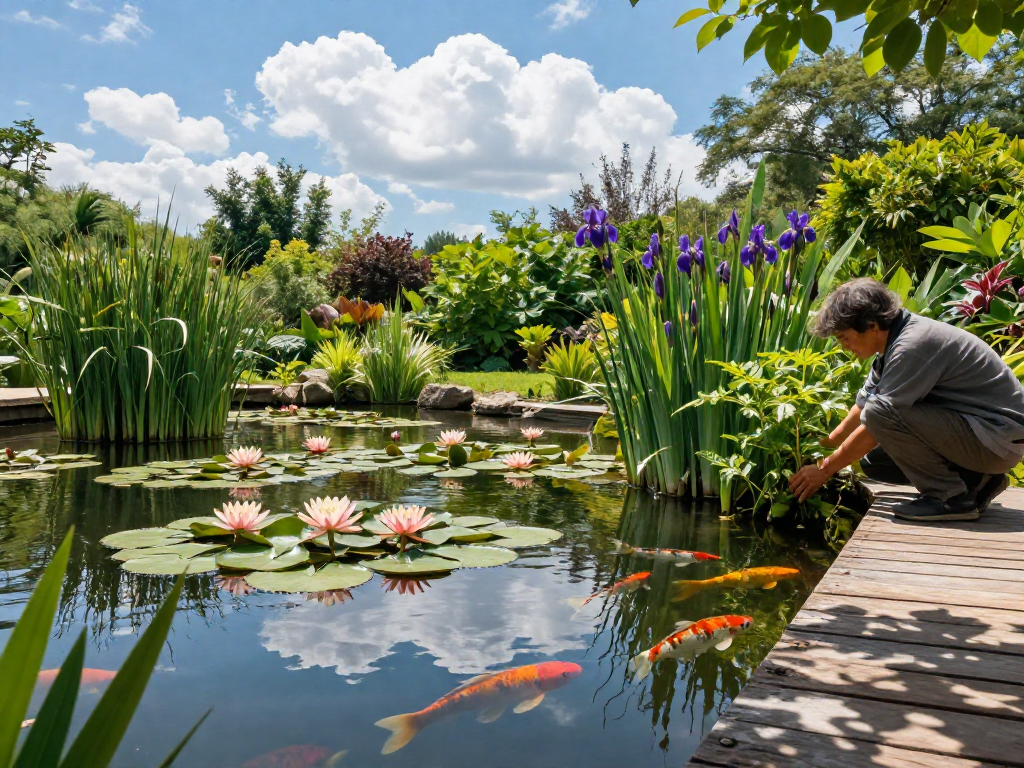
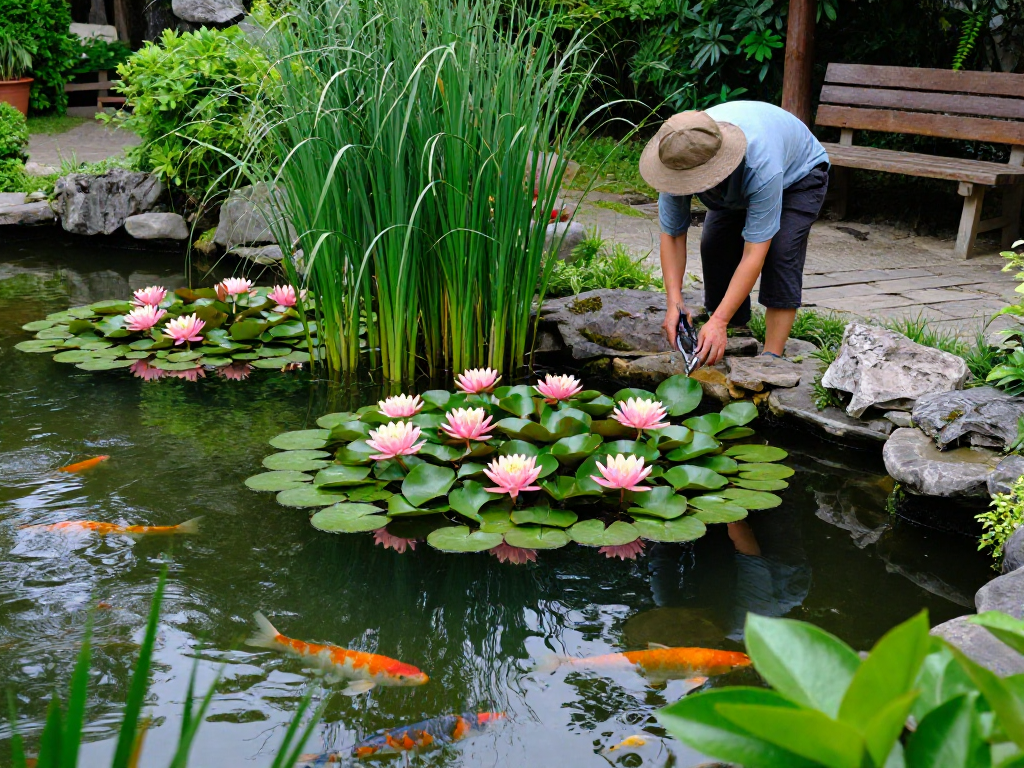
Landscaping is not limited to flowers and shrubs; the thoughtful selection of plants can enhance the aesthetic of your home significantly. Incorporating greenery contributes color, texture, and even scent. Choosing native plants can reduce maintenance needs and help sustain local ecosystems.
Vertical gardens, container gardening, and simple potted plants are great ways to integrate greenery into your outdoor spaces while making use of available area efficiently.
Outdoor Furniture Considerations
Selection of outdoor furniture should consider durability, style, and comfort. Use weather-resistant materials such as teak, aluminum, or synthetic resin that withstand outdoor conditions. Comfort is essential, so investing in quality cushions can make all the difference.
Arranging outdoor furniture to promote conversations and provide ample walking space brings an inviting feel to any patio or garden setup.
Maintenance and Care for Your Home
Seasonal Maintenance Tips
Regular maintenance can prolong the life of your home and enhance its appearance. Seasonal checks should include inspections of gutters, roofing, and landscaping. Preparing your home for winter entails checking insulation and heating systems, while spring might focus on outdoor spaces.
Creating a detailed checklist of seasonal tasks can streamline this process, ensuring key areas are checked and addressed timely.
Cleaning and Upkeep Strategies
Implementing effective cleaning routines can contribute significantly to home maintenance. A deep clean every few months should be a priority. This includes cleaning carpets, curtains, and seldom-used spaces such as the attic or basement.
Utilize eco-friendly cleaning products to ensure the safety of your family and the environment. Establish a cleaning schedule to make this task manageable weekly or monthly.
Identifying and Fixing Common Issues
Understanding common issues such as leaks, drafty windows, or cracks in walls can help homeowners act swiftly before they escalate. Take time to familiarize yourself with signs of wear and tear and document any irregularities you encounter.
Many repairs can be DIY-ed, but knowing when to seek professional help can save money over time and avoid aggravating the problem.
FAQs About Home Design
How to choose the right design style?
Identify your personal taste by exploring various styles and consider factors such as your home's architecture and available space. Gather inspiration from design resources to find what resonates with you.
What are the latest trends in interior design?
Popular trends often include sustainability through eco-friendly materials, biophilic design emphasizing natural elements, and versatile spaces that adapt to various activities and lifestyles.
How can I make a small room appear larger?
Use light colors, mirrors, and strategic furniture placement to maximize space. Keep décor minimal and use multifunctional furniture to maintain an open feel.
What maintenance tasks should I prioritize?
Focus on seasonal tasks such as roof and gutter checks, HVAC maintenance, and exterior inspections. Regular cleaning and upkeep should also be prioritized to prevent larger issues.
How to effectively mix different design styles?
Establish a unifying element such as a color palette or material. Pick one dominant style and introduce complementary styles through accessories or furniture while maintaining visual balance.
For more tips and resources, visit www.tbplhomes.com.