Understanding Water Lilies: The Perfect Pond Addition
Water lilies are more than just beautiful aquatic plants; they are essential components of any well-balanced pond ecosystem. Known for their stunning blooms and lush foliage, these plants contribute to the aesthetics and health of ponds. As we dive into the world of Water Lilies, we will explore their benefits, varieties, and care requirements, making them a popular choice for both novice and expert gardeners alike.
What Are Water Lilies?
Water lilies, belonging to the family Nymphaeaceae, are perennial aquatic plants characterized by their floating leaves and vibrant flowers that come in various colors, from white to pink to deep purple. These plants grow best in still waters and are found in ponds, lakes, and wetlands across the world. The main types include hardy water lilies, which can survive in colder climates, and tropical water lilies, which thrive in warmer conditions. Water lilies not only serve decorative purposes but also play vital roles in providing habitat and food for wildlife.
Benefits of Adding Water Lilies to Your Pond
Incorporating water lilies into your pond offers numerous advantages:
- Aesthetic Appeal: Water lilies are striking additions, blooming throughout summer, enhancing the visual charm of your water feature.
- Water Quality Improvement: They help maintain water clarity and quality by reducing algae growth through shading and nutrient uptake.
- Wildlife Habitat: Water lilies provide shelter and breeding grounds for various aquatic life, including fish, amphibians, and beneficial insects.
- Oxygen Production: Through photosynthesis, they contribute to oxygen levels in the water, promoting a healthier ecosystem.
Common Varieties of Water Lilies
While there are many species of water lilies, the most common include:
- Nymphaea odorata: Also known as the American white water lily, it features fragrant white blooms and is popular in garden ponds.
- Nymphaea caerulea: The Egyptian blue water lily is famous for its stunning blue flowers and has significant cultural significance.
- Nymphaea 'Marliac': This is a popular hybrid variety known for its vigorous growth and vibrant blooms.
- Nymphaea 'Aurora': A lovely pink lily that brings a pop of color and thrives well in various pond environments.
Choosing the Right Water Lily for Your Environment
Climate Considerations for Water Lilies
When selecting water lilies, understanding your climate is crucial. Hardy water lilies can withstand cold winters, making them suitable for temperate regions. Conversely, tropical varieties flourish in warmer locales and should be brought indoors during colder months. Assessing your local climate will greatly influence your choice, ensuring that your water lilies thrive.
Choosing Between Hardy and Tropical Water Lilies
Hardy water lilies, such as Nymphaea 'Perry's Baby Red', are perfect for areas that experience frost, while tropical varieties like Nymphaea 'Blue Beauty' need warmer temperatures to bloom effectively. Environmental conditions like sunlight exposure, water depth, and temperature extremes should be factored into your decision. Consider your region's gardening zone to select the most suitable variety.
Water Lily Colors and Sizes: What Fits Your Pond?
Water lilies come in various colors and sizes, allowing you to customize your pondscape. Large varieties can create striking visual focal points, while smaller varieties might suit petite ponds or containers. Color options range from pure whites and subtle pinks to vivid yellows and deep reds. Ensure the chosen color complements your existing landscape and other aquatic plants for a harmonious design.
Planting and Caring for Water Lilies
Best Practices for Planting Water Lilies
Planting water lilies properly is key to their success. Follow these steps:
- Choose a container with drainage holes. A plastic or ceramic pot works best.
- Add a suitable potting mix, ensuring it's heavy enough to stay submerged but light enough for roots to grow.
- Position the rhizome horizontally in the soil, covering it lightly with potting mix.
- Submerge the pot in your pond at a depth appropriate for the variety, usually between 12 to 36 inches.
- Ensure the leaves can float on the surface while keeping the pot's rim submerged.
Water Lily Maintenance Tips
Maintaining healthy water lilies involves regular care. Key maintenance tasks include:
- Feeding: Use aquatic plant fertilizer in spring and mid-summer to encourage robust growth.
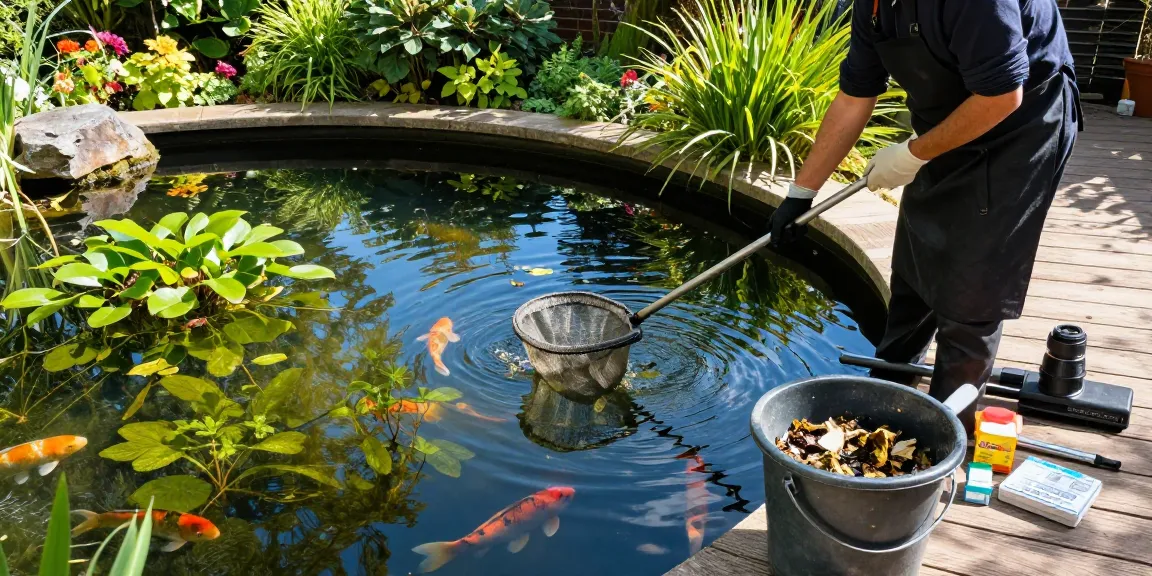
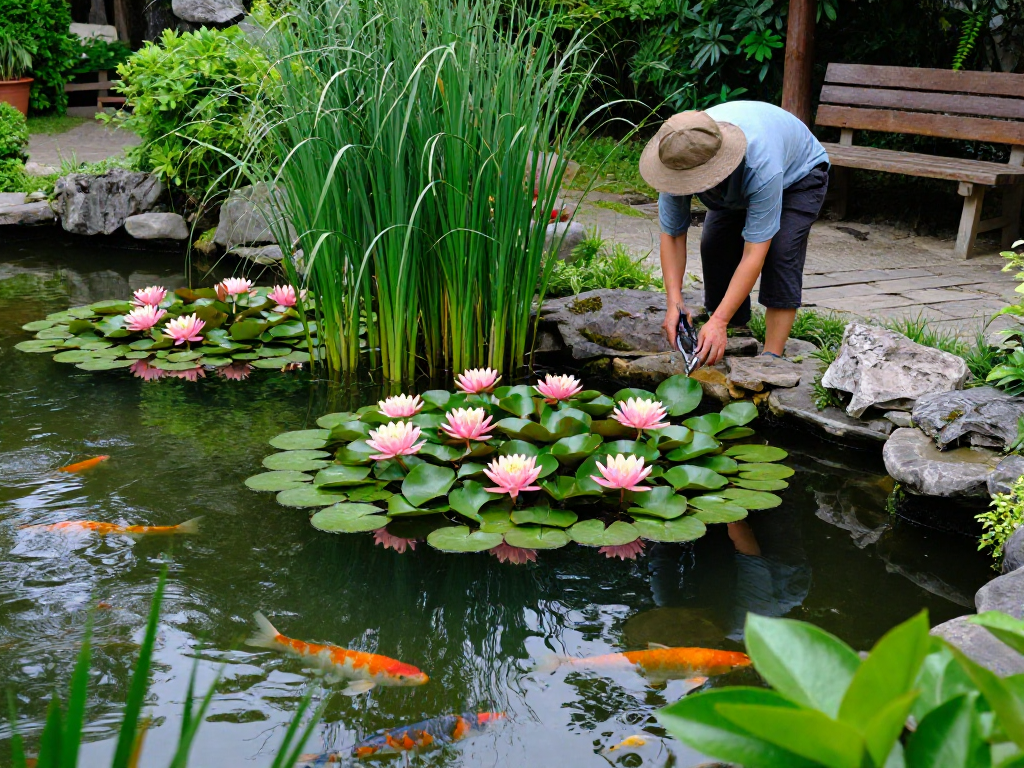
- Pruning: Remove dead or dying leaves regularly to prevent decay and maintain water quality.
- Winter Care: Hardy water lilies can stay in the pond, while tropical varieties should be brought indoors before frosts.
Common Pests and Diseases Affecting Water Lilies
Water lilies, though generally resilient, can face threats from pests and diseases. Common issues include:
- Leaf Spot: A fungal disease causing dark lesions on leaves, treatable with fungicides.
- Aphids: Small insects that can weaken plants, manageable through insecticidal soap or natural predators.
- Snails: While some snails are harmless, others can damage foliage; introduce beneficial nematodes for control.
Design Ideas Featuring Water Lilies in Your Landscape
Creating a Relaxing Pondscape with Water Lilies
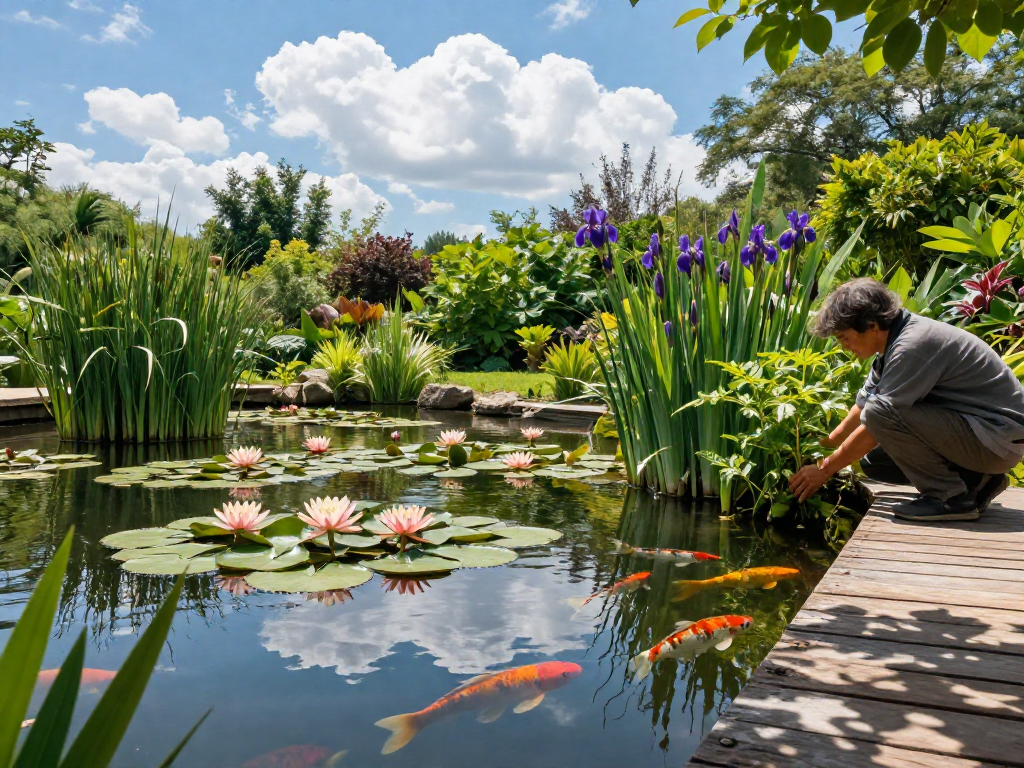
Water lilies can turn an ordinary pond into a serene oasis. Consider the following design elements:
- Layering: Plant water lilies alongside other aquatic plants to create depth and interest.
- Seating Areas: Add benches or seating near the pond for a tranquil retreat.
- Lighting: Incorporate underwater lights to highlight the water lilies’ beauty during the evening.
Integrating Water Lilies with Other Aquatic Plants
Pairing water lilies with other aquatic plants enhances biodiversity and visual appeal. Consider integrating:
- Marginal Plants: Plants like cattails and rushes can complement water lilies by providing habitat and interest.
- Submerged Plants: Species like hornwort can aid in oxygenation and nutrient uptake.
- Floating Plants: Species like duckweed can provide additional shade and balance the ecosystem.
Water Lilies as Focal Points in Garden Design
Using water lilies as focal points can create captivating visual displays in your garden. Position them strategically in sightlines or near seating areas to draw attention and foster relaxation. Experiment with different colors and varieties to create a dynamic, layered effect that captivates the eye.
Future Trends in Water Lily Cultivation
Innovation in Water Lily Breeding
As gardening evolves, so does the breeding of water lilies. Breeders are focusing on developing disease-resistant varieties, enhancing bloom longevity, and introducing new colors and sizes. These innovations allow gardeners to enjoy vibrant displays with less effort and more resilience.
Sustainable Practices for Water Lily Gardening
Sustainability is becoming increasingly important in gardening. Implementing practices like rainwater harvesting, organic fertilizers, and native plant integration can enhance your water lily gardening experience while promoting environmental health. Aim for eco-friendly solutions that minimize chemical use and support local wildlife.
Predictions for Water Lily Trends in 2026
By 2026, we can expect a rise in compact water lily varieties, tailored for smaller gardens and urban spaces, increasing accessibility for a broader audience. Additionally, gardeners may prioritize biodiversity, using water lilies as an integral part of eco-friendly design schemes that promote ecological harmony.
What Care Techniques Will Evolve?
As we look toward the future, care techniques for water lilies will likely evolve with advancements in horticulture. Expect to see the development of smart gardening tools that monitor water quality and plant health, as well as new, organic pest control methods that minimize chemical impact while maintaining plant vitality.