Understanding Home Renovation Basics
Home renovation is an expansive topic that involves various aspects of modifying, improving, and redesigning residential properties. Whether you’re planning to update your kitchen, expand your living space, or give your entire home a facelift, this guide lays the groundwork for navigating the complexities of such projects. An informed approach toward Home renovation will set you on the path to enhancing both the functionality and aesthetics of your living space.
What is Home Renovation?
Home renovation refers to the process of improving or modernizing existing structures and spaces within a residential property. This can range from cosmetic upgrades like painting and flooring to major structural changes such as room additions or remodels of essential areas like kitchens and bathrooms. Renovation is distinct from new construction in that it focuses on making alterations to existing buildings rather than creating new ones from the ground up.
Common Reasons for Home Renovation
There are myriad motivations behind undertaking a home renovation project, and understanding these can help homeowners determine the best course of action for their specific needs. Common reasons include:
- Increasing Property Value: Renovations can significantly boost the market value of your home, especially in a competitive real estate market.
- Enhancing Comfort: Modifications can create a more comfortable living environment, addressing issues like space constraints, outdated layouts, or inefficient heating and cooling.
- Personalization: Homeowners often wish to tailor their living spaces to reflect their personal tastes and lifestyle needs through design choices.
- Improving Energy Efficiency: Renovating can provide opportunities to install energy-efficient appliances and insulation, which can lead to lower utility bills.
- Safety and Maintenance: Updating old systems, fixing structural issues, or removing hazards is essential for maintaining a safe living environment.
Key Factors to Consider in Home Renovation
Before embarking on a home renovation, various factors should be weighed carefully to ensure a successful project:
- Budget: Establishing a realistic budget is crucial; it helps to set priorities and avoid overspending. Consider unexpected costs that may arise.
- Permits and Regulations: Many renovations require permits or adherence to local building codes. It’s important to research these regulations early in the planning process.
- Design and Layout: Think about the function and flow of spaces. Consult design professionals to create a cohesive look that enhances usability.
- Materials: The choice of materials will affect the durability, maintenance needs, and overall aesthetics of the renovation. Explore sustainable and eco-friendly options where possible.
Planning Your Home Renovation Project
Planning is an essential phase of any renovation project. Proper planning can assist in mitigating risks, reducing costs, and ensuring that the project finishes on time and meets expectations.
Setting a Realistic Budget for Home Renovation
Establishing a clear budget is the bedrock of any successful home renovation. Begin by determining how much you can afford to spend without compromising financial stability. Consider the following steps:
- Assess Your Finances: Review your savings and income to identify your budgetary limits.
- Create a Detailed Budget Plan: Break down costs by category (labor, materials, permits, etc.) and allocate proportions based on priority.
- Include Contingency Funds: Set aside an additional 10-20% of your budget for unexpected expenses.
Creating a Timeline for Your Home Renovation
A solid timeline will help keep the renovation on track and manage expectations. When creating a timeline:
- Define Project Phases: Identify distinct phases of the renovation (design, permitting, construction) and set deadlines for each.
- Account for Delays: Be realistic about possible delays due to weather, supply chain issues, or contractor availability.
- Coordinate with Professionals: Work with architects, contractors, and suppliers to ensure their schedules align with your timeline.
Choosing the Right Design Style for Home Renovation
The design style chosen for a renovation should reflect personal taste while also considering the overall architecture of the home. Here are some prevalent design styles:
- Modern: Characterized by clean lines, minimalism, and a focus on functionality. Typically features neutral color palettes.
- Traditional: Emphasizes classic design with ornate details, warm colors, and a cozy atmosphere.
- Industrial: Incorporates unfinished elements such as exposed brick and ductwork, often combined with sleek modern furnishings.
- Rustic: Highlights natural materials like wood and stone, with an emphasis on warmth and texture.
Executing Your Home Renovation
Once planning is complete, the execution phase begins. This is where your vision transforms into reality. However, managing this stage effectively ensures that the renovation runs smoothly and meets the established budget and timeline.
Hiring Professionals vs. DIY in Home Renovation
The decision to hire professionals or attempt a do-it-yourself approach can significantly impact the project’s outcome. Each option has its pros and cons:
- Hiring Professionals: This option ensures expertise, access to quality materials, and saves time. However, it can be more costly.
- Doing It Yourself: DIY can save money and provide a sense of accomplishment. That said, it requires significant time, skill, and patience. Poor execution can lead to additional costs and regrets.
Essential Tools and Materials for Home Renovation
Equipping yourself with the right tools and materials is essential for a successful renovation. Depending on the project, the following tools may be necessary:
- Basic Tools: Hammer, screwdriver set, measuring tape, level, and utility knife are foundational.
- Power Tools: Drills, saws, and sanders can expedite many tasks but require safety precautions.
- Safety Gear: Safety goggles, gloves, and masks are critical for personal protection during renovation activities.
Managing the Renovation Process Effectively
Effective management during the renovation phase can significantly influence the efficiency and clarity of the project. Consider the following strategies:
- Regular Check-Ins: Establish open lines of communication with contractors and team members to address concerns and keep everyone informed.
- Visual Progress Tracking: Use progress photos and checklists to monitor the completion of each phase.
- Problem-Solving: Be prepared for challenges that arise and approach them with flexibility and a willingness to adapt plans.
Enhancing Value Through Home Renovation
A well-planned renovation can not only enhance your living standard but also improve the overall value of your home. Knowing how to make smart renovation choices can yield high returns down the road.
Smart Renovation Choices That Increase Home Value
Certain renovations tend to provide a higher return on investment (ROI) than others. Some key renovations that can enhance a home’s market value include:
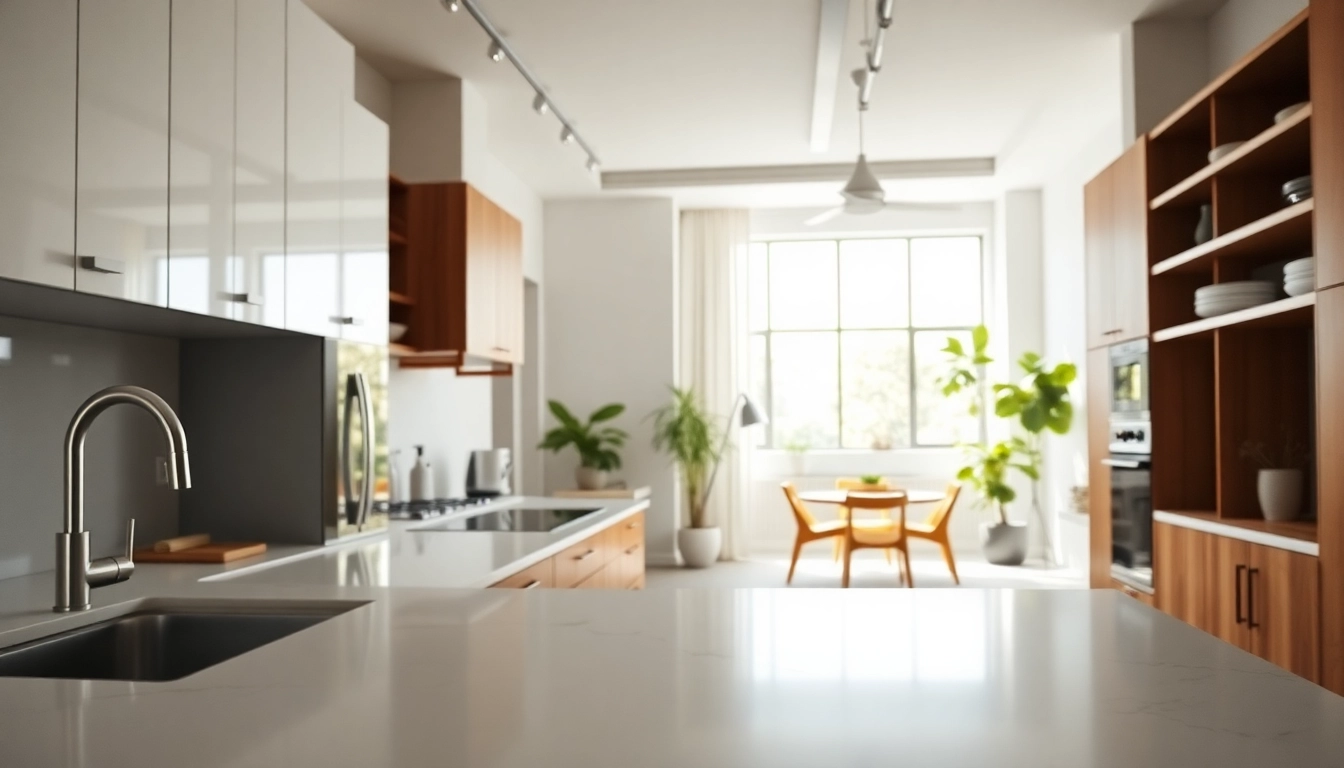
- Kitchen Remodel: This is often cited as the most valuable renovation, as it can dramatically enhance form and function.
- Bathroom Upgrade: A refreshed bathroom with modern fixtures and design can yield significant value addition.
- Energy Efficiency Improvements: Upgrades such as energy-efficient windows, insulation, and heating systems appeal to eco-conscious buyers and can reduce utility costs.
Eco-Friendly Options for Home Renovation
With the increasing awareness surrounding sustainability, many homeowners are looking for eco-friendly renovation options. Environmentally conscious choices include:
- Materials: Opt for sustainable materials, such as bamboo flooring or reclaimed wood, which have lower environmental impacts.
- Energy-Efficient Appliances: These can not only help reduce energy consumption but can also be an appealing feature for future buyers.
- Water Conservation: Installing low-flow faucets and toilets can significantly lower water usage.
Trends in Home Renovation: What’s Hot Right Now
The world of home renovation is constantly evolving, influenced by design innovations, lifestyle shifts, and consumer preferences. Some trending ideas include:
- Open Floor Plans: Homes with open concepts that promote social interaction and flexibility continue to be sought after.
- Smart Home Technology: Integrating tech solutions that enhance convenience, security, and energy management are becoming commonplace.
- Outdoor Living Spaces: Homeowners increasingly desire functional outdoor areas for entertaining and relaxation.
Post-Renovation Considerations
After successfully executing a renovation, attention shifts to maintaining the improved spaces and assessing the overall impact of the project.
Maintaining Your Renovated Home
Proper maintenance is critical in preserving the investment made in renovations. Key considerations include:
- Regular Inspections: Periodic checks of roof, plumbing, and HVAC systems can preempt costly repairs down the line.
- Routine Cleaning: Keeping surfaces and appliances clean will enhance their longevity and efficiency.
- Adherence to Manufacturer Instructions: Following care guidelines for new appliances and materials ensures they perform optimally.
Evaluating the Impact of Home Renovation on Property Value
Post-renovation, assessing the impact on property value can provide insights and inform future projects. To evaluate effectively:
- Consult Real Estate Experts: Market analyses from realtors can provide perspective on how renovations have enhanced value in your local area.
- Monitor Home Appraisals: Regular appraisals can quantify value changes resulting from renovations.
- Observe Market Trends: Pay attention to demand for features or upgrades in your home based on evolving buyer preferences.
Preparing for Potential Future Renovation Projects
Every renovation can pave the way for future projects. After completing one, consider the following for potential upcoming renovations:
- Assess Remaining Needs: Evaluate what areas still need attention or improvement by reviewing your initial renovation goals.
- Stay Informed: Keep abreast of design trends and material innovations, which may influence your future renovations.
- Maintain Flexibility: Be open to adapting plans based on evolving needs and market conditions.