Understanding the Basics of Fly Fishing for Beginners
Fly fishing is a captivating experience that combines skill, patience, and a deep appreciation for the great outdoors. For those eager to learn, this fly fishing for beginners guide serves as the ultimate introduction to this rewarding sport. Whether you’re looking to catch your first trout or simply enjoy a serene day by the water, understanding the basics is essential. In this guide, we will explore the foundational components of fly fishing, key gear, fundamental techniques, and the best places to practice.
What is Fly Fishing?
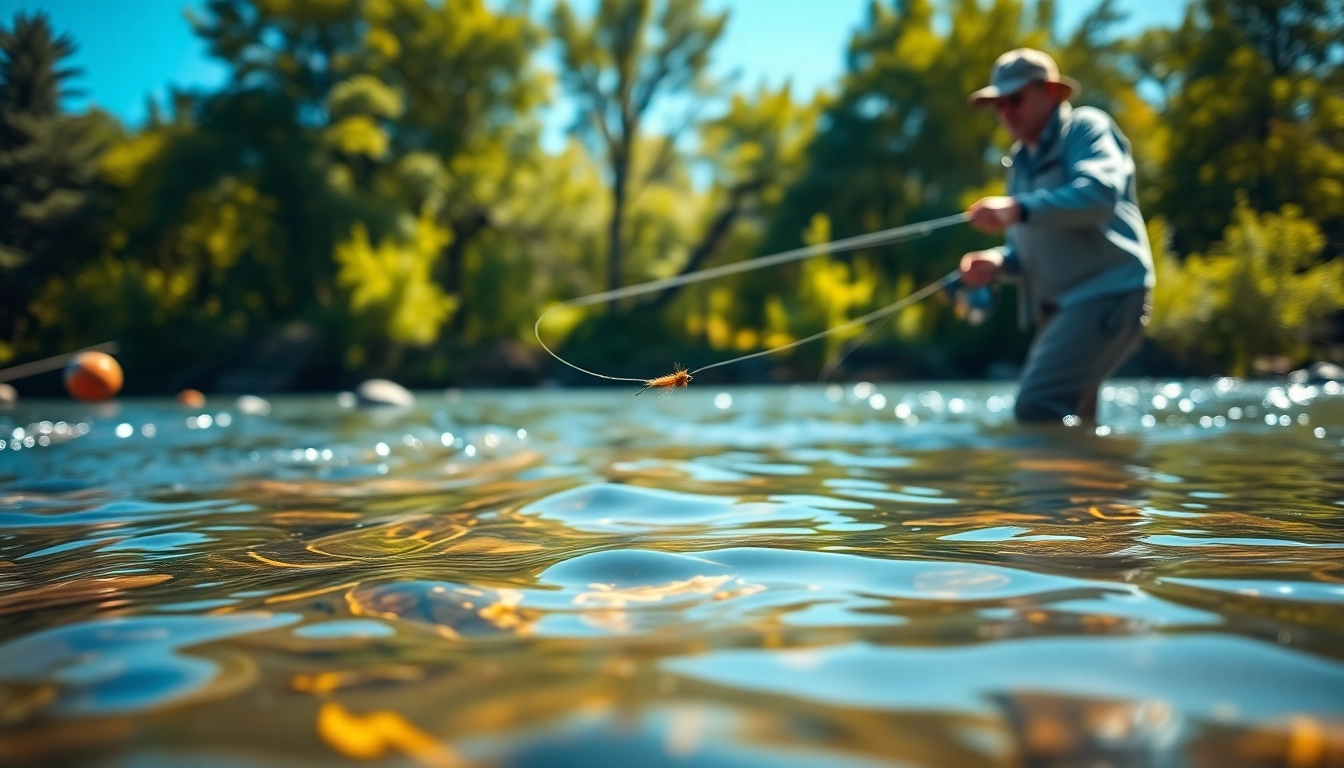
Fly fishing is a method of angling that uses artificial flies to attract fish. Unlike traditional fishing, where bait is often made from natural materials, fly fishing relies on meticulously crafted flies that imitate the look and movement of insects or other small aquatic creatures. The aim is to deceive fish into thinking that the fly is food.
Key Differences: Fly Fishing vs. Traditional Fishing
While both fly fishing and traditional fishing share the common goal of catching fish, they differ significantly in technique and gear:
- Rod and Line: Fly fishing uses a longer, lighter rod and a specialized weighted line that allows the angler to cast the fly delicately. In traditional fishing, the bait and weight are often attached directly to the end of the line.
- Techniques: Fly fishing techniques focus on casting the fly onto the water with precision, while traditional fishing often involves casting and retrieving bait.
- Species Targeted: Fly fishing is commonly associated with species like trout and salmon, which are attracted to flies, while traditional fishing can target various types of fish, including those that may not respond to flies.
Common Terms Every Beginner Should Know
Familiarizing yourself with fly fishing terminology will enhance your learning experience:
- Hook: The component of the fly that catches the fish.
- Tippet: A thin line that attaches the fly to the leader line.
- Leader: The line that connects the tippet to the fly line.
- Strike Indicator: A float used to detect fish strikes.
- Drift: The natural movement of the fly on the water’s surface.
Essential Gear for Fly Fishing for Beginners
Equipping yourself with the right gear is critical for success in fly fishing for beginners plus comfort on the water. While it might be tempting to invest in a lot of gear, getting the basics down first is crucial.
Choosing the Right Fly Rod and Reel
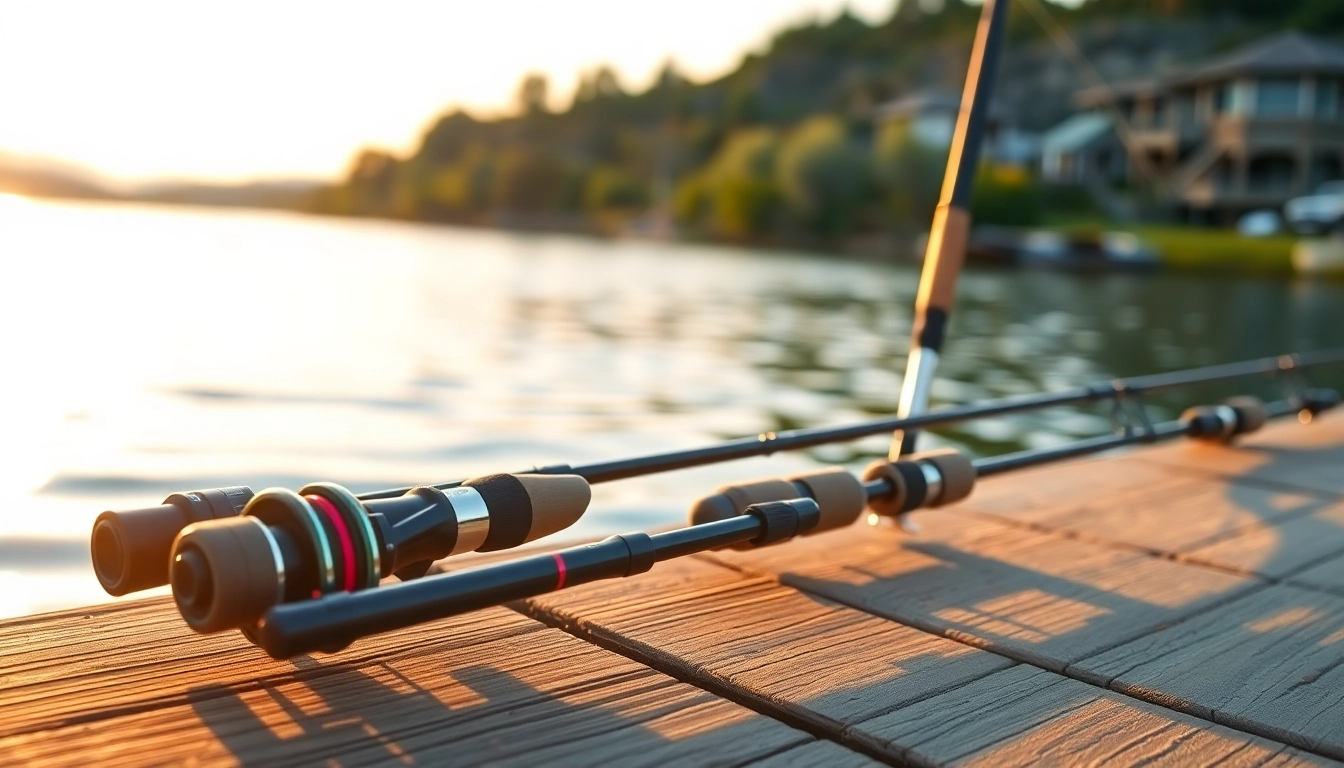
The fly rod and reel are the most significant investments you’ll make. For beginners, a 9-foot, 5-weight rod is a versatile choice for freshwater fishing:
- Fly Rod: A medium-action rod is advisable for beginners, as it offers a good blend of power and flexibility.
- Fly Reel: Select a reel that balances well with your rod. Look for a smooth drag system that can handle fish fights.
It’s often beneficial to opt for combo outfits that include both the rod and reel, as they are typically matched for optimal performance.
Essential Fly Fishing Accessories
Alongside the rod and reel, several other accessories enhance the fly fishing experience:
- Waders: These allow you to fish comfortably in deeper waters without getting wet.
- Fly Box: A storage solution for your flies, ensuring they are organized and accessible.
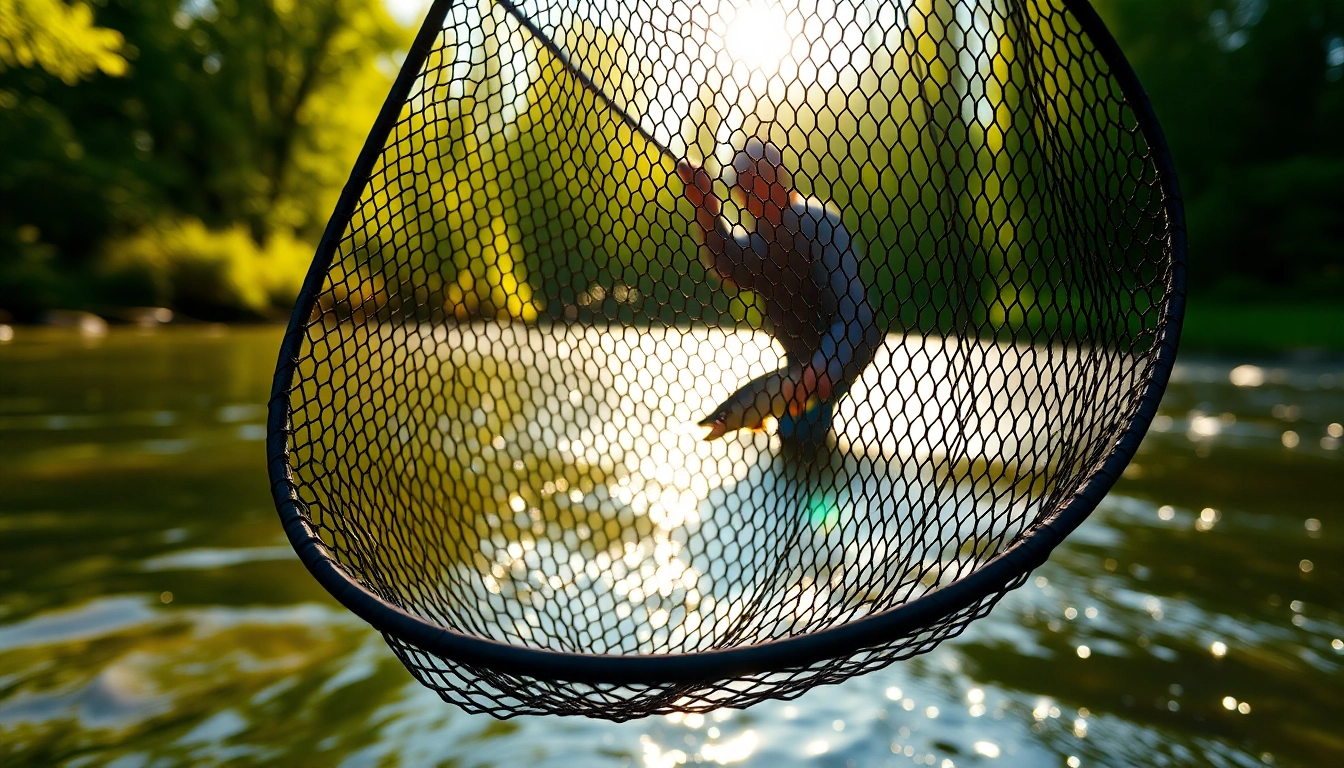
- Landing Net: Essential for safely landing fish while minimizing trauma.
- Forceps: Useful for removing hooks from fish and for adjusting equipment.
Understanding Fly Types and Their Uses
Flies can be categorized into several types, each serving various purposes:
- Dry Flies: These float on the surface and imitate adult insects. They’re ideal for surface feeding fish.
- Nymphs: These subsurface flies mimic the larval stage of insects. They’re effective for targeting fish feeding just below the surface.
- Streamers: Designed to imitate baitfish or larger prey, streamers are retrieved quickly to attract predatory fish.
Fundamental Techniques for Fly Fishing for Beginners
Learning the core techniques is vital for beginners in fly fishing for beginners. These techniques form the foundation of your fishing skills.
Mastering the Cast: Basic Techniques to Learn
The cast is one of the most critical skills in fly fishing. Beginners typically start with a few key casts:
- Overhead Cast: The standard cast where the rod is raised behind the shoulder and then pushed forward to send the fly out.
- Roll Cast: This is useful in tight situations where there may not be ample space for an overhead cast. It involves rolling the fly out on the water surface.
Practice these casts until you feel confident, as they are essential for effective fishing.
Reading Water: Where to Find Fish
Understanding how to read the water is pivotal for successful fly fishing. Look for:
- Structure: Fish tend to congregate around rocks, logs, and other structures that provide cover.
- Shelter: Seek out areas with shallow water or overhanging vegetation, as these can shelter fish.
- Current: Identify areas where the current creates eddies or pockets of calm water where fish may feed.
Understanding Fish Behavior and Feeding Patterns
Fish behavior varies with season, water temperature, and time of day. Monitoring these can enhance your fishing success:
- Dawn and Dusk: Fish are often more active during these times.
- Seasonal Changes: Understanding the life cycles of insects will help you choose the right flies.
- Weather Changes: Fish may react differently to weather changes; barometric pressure shifts can trigger feeding frenzies.
Fly Fishing for Beginners: Places to Practice
Identifying the right location to practice your skills is crucial for beginners. The right environment can enhance your learning experience and increase your chances of success.
Best Locations for New Fly Fishers
Beginner-friendly locations typically feature shallow waters and a healthy fish population. Consider the following:
- Local Streams and Rivers: Smaller streams are ideal for practicing casting and technique.
- Ponds: Often stocked with fish, ponds provide a controlled environment.
- Fishing Parks: Some parks offer designated areas for beginners with educational programs.
Public Access Areas and Fishing Licenses
Before hitting the water, ensure you understand the regulations:
- Licenses: Familiarize yourself with local licensing requirements, which often vary by state.
- Access: Research public access sites available to anglers to avoid trespassing on private property.
Joining Local Fly Fishing Clubs and Communities
Networking with fellow anglers is beneficial for beginners. Consider these options:
- Local Clubs: Joining a club can provide access to mentorship and workshop opportunities.
- Online Forums: Engage with online communities to gain insights, tips, and shared experiences.
Frequently Asked Questions About Fly Fishing for Beginners
What is the best time of year for beginners to start fly fishing?
Spring and fall are ideal for beginners, as fish are typically more active. During these seasons, the weather is generally mild, and insect hatches are plentiful, providing ample feeding opportunities.
What are the basics I need to know before my first fishing trip?
Familiarize yourself with your gear, practice casting, understand local regulations, and have a selection of flies that match local hatches. Knowing how to read water is also critical.
How do I select the right flies for my location and target fish?
Research local insect hatches and match your flies accordingly. Observing what insects are present can help you choose effective patterns for successful fishing trips.
Are guided fishing trips worth it for beginners?
Yes! Guided trips provide hands-on instruction and local knowledge which can speed up the learning process and help you develop essential skills in a supportive environment.
What safety tips should beginners keep in mind while fly fishing?
Always wear a life jacket when fishing in deeper water, be aware of weather conditions, and protect yourself from sun exposure with appropriate clothing and sunscreen. Stay hydrated, and steer clear of slippery rocks.