
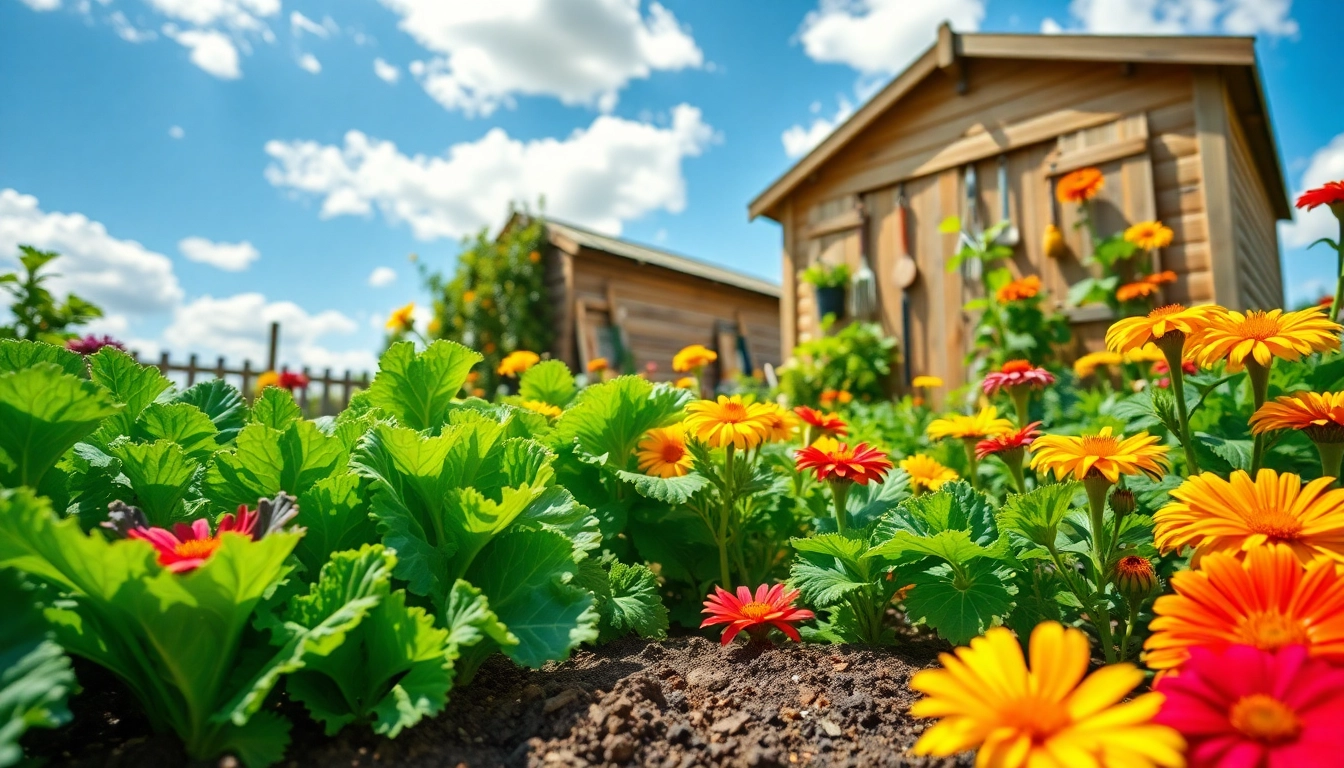
Understanding the Basics of Gardening
Gardening is a rewarding activity that allows individuals to connect with nature, grow their own food, and cultivate beautiful environments. It’s an art and a science that blends creativity with practical knowledge, suitable for people of all ages. To begin your journey in this fulfilling endeavor, understanding the fundamental concepts of Gardening is essential. This section covers what gardening entails, essential tools, and how to choose the right plants for your garden.
What is Gardening?
At its core, gardening is the cultivation of plants for various purposes, including aesthetic pleasure, food production, or medicinal use. It can take place in various forms, ranging from small balcony gardens to expansive farms. The practice integrates several disciplines, including botany, soil science, and horticulture, making it a multidimensional pursuit. Gardening not only enhances the beauty of our surroundings but also contributes significantly to the environment by promoting biodiversity, improving air quality, and providing habitats for various species.
Gardening Tools You Need
Equipping yourself with the right gardening tools is paramount. Here are some essential tools every gardener should consider:
- Hand Trowel: Perfect for transplanting smaller plants.
- Garden Fork: Useful for turning soil and mixing in compost.
- Pruning Shears: Essential for trimming and maintaining plants.
- Watering Can: A gentle way to water plants effectively.
- Rake: Helps in leveling soil and clearing debris.
Having the right tools makes gardening tasks easier and more efficient and allows for better results.
Choosing the Right Plants
Choosing appropriate plants for your garden is a critical decision that should take into account your local climate, soil type, and the amount of sunlight your garden receives. Here are some tips for selecting the right plants:
- Understanding Zones: Familiarize yourself with the USDA Plant Hardiness Zone Map to know which plants thrive in your area.
- Consider Your Space: Assess the size of your garden and opt for plants that will fit comfortably within that space.
- Pollinator-Friendly Plants: Consider plants that attract bees and butterflies, which assist in pollination.
Additionally, local nurseries can provide guidance on plant selection based on their knowledge of the local environment.
Preparing Your Garden Space
Preparation is key to a successful gardening experience. It involves selecting the right site, preparing the soil adequately, and planning your planting effectively. This section discusses how to set up your gardening area for optimal growth.
Site Selection for Gardening
The first step in gardening is selecting the right location. Factors like sunlight, accessibility, and drainage are crucial. Here’s how to evaluate your site:
- Sunlight: Most plants require at least six hours of direct sunlight daily. Observe your chosen area throughout the day to determine sun exposure.
- Accessibility: Ensure that your gardening area is easily accessible for maintenance, watering, and harvesting.
- Drainage: Choose a site with good drainage to prevent waterlogging, which can lead to plant diseases.
Soil Preparation Techniques
The success of any garden heavily relies on healthy soil. It should be rich in organic matter, loose, and well-drained. Follow these steps to prepare your soil:
- Test Your Soil: A soil test can shed light on pH levels and nutrient availability.
- Add Organic Matter: Incorporate compost or well-rotted manure to enrich the soil.
- Tilling: Turn the soil to aerate it and facilitate root growth.
Adequate soil preparation lays a solid foundation for your plants to thrive.
Creating a Planting Plan
A thoughtfully designed planting plan helps maximize space and ensures optimal growth conditions for your plants. Consider the following:
- Crop Rotation: This helps maintain soil fertility and reduces pest and disease buildup.
- Spacing: Ensure adequate space between plants to prevent overcrowding.
- Mixing Plant Types: Consider companion planting to enhance growth and deter pests.
Watering and Maintenance
Watering and maintenance are vital components of keeping your garden healthy. Proper hydration, nutrient management, and pest control can significantly impact your gardening success.
Watering Methods for Garden Health
Proper watering practices preserve plant health and growth quality. Here are some effective watering methods:
- Drip Irrigation: Delivers water directly to the roots, minimizing evaporation and waste.
- Soaker Hoses: Ideal for larger gardens, they slowly release water over time.
- Hand Watering: Provides control over watering volume, while ensuring that plants receive adequate moisture.
Fertilization and Soil Health
Regularly fertilizing your garden is essential for providing continuous nutrients. Here are some best practices:
- Organic vs. Synthetic Fertilizers: Organic fertilizers improve soil structure, while synthetic fertilizers provide quicker nutrient availability.
- Understanding N-P-K Ratios: Familiarize yourself with the nitrogen, phosphorus, and potassium levels needed for different plants.
- Mulching: A layer of mulch helps retain soil moisture and prevent weed competition.
Common Gardening Pests and Their Management
Pest management is crucial for protecting the health of your garden. Here are some strategies to control pests effectively:
- Companion Planting: Some plants can naturally repel pests when grown together.
- Integrated Pest Management: Combine biological controls, cultural practices, and physical barriers to manage pest populations sustainably.
- Natural Insecticides: Consider using neem oil or insecticidal soap as a non-toxic option.
Advanced Gardening Techniques
Once you’ve mastered the basics of gardening, you may want to delve into more advanced techniques to enhance your gardening experience. This section covers a variety of innovative strategies.
Vertical Gardening and Space Maximization
Vertical gardening involves growing plants on vertical structures, allowing for more efficient use of limited space. Here are a few techniques:
- Wall Planters: Utilize walls or fences to create a green façade with planter boxes or pockets.
- Trellises: Train climbing plants like beans and tomatoes to grow vertically, making harvesting easier.
- Hanging Baskets: Perfect for herbs and flowers, hanging baskets can be positioned to maximize sunlight exposure.
Companion Planting Benefits
Companion planting enhances growth and deters pests. Some notable combinations include:
- Basil and Tomatoes: Basil improves tomato flavor and acts as a pest deterrent.
- Marigolds: These flowers repel nematodes and harmful insects, making them excellent companions for many vegetables.
- Corn and Beans: Beans fix nitrogen in the soil, aiding corn growth while providing structural support.
Seasonal Gardening Tips
Understanding the seasons is important for successful gardening. Here are some tips to manage seasonal changes:
- Spring: Start planting cool-season crops and prepare garden beds for summer planting.
- Summer: Maintain consistent watering schedules and monitor for pests actively.
- Fall: Harvest crops and prepare your garden for winter by mulching and planting cover crops.
- Winter: Plan for the upcoming season and care for perennial plants.
Harvesting and Sustainability in Gardening
Harvesting techniques and sustainability practices are vital for ensuring long-term success in gardening. This section provides comprehensive guidance on best practices.
Best Practices for Harvesting Plants
Proper harvesting not only yields better produce but also encourages more growth. Here are some key practices:
- Timing: Harvest plants at their peak ripeness for the best flavor and nutrition.
- Technique: Use sharp tools to make clean cuts to prevent damaging the plant.
- Storage: Properly store your harvest to maximize freshness using cool, dark environments.
Composting and Waste Reduction
Composting is an excellent method to recycle organic waste and nourish your garden. Here’s how to get started:
- Choose a Compost Bin: Select a bin that fits your space and needs.
- Add Materials: Incorporate a mix of greens (nitrogen-rich) and browns (carbon-rich).
- Turn Your Pile: Aerate the compost regularly to speed up decomposition and minimize odors.
Creating a Sustainable Gardening Ecosystem
Sustainability in gardening promotes environmental health and resource conservation. Consider the following practices:
- Native Plants: Choose native species that require less water and care, contributing to local biodiversity.
- Water Conservation: Use rain barrels to collect and utilize rainwater effectively.
- Organic Practices: Avoid synthetic fertilizers and pesticides to minimize environmental impact.
In conclusion, whether you’re starting your first garden or enhancing an existing one, the concepts, techniques, and sustainable practices outlined in this article will serve as a valuable resource. By understanding the fundamentals and employing advanced strategies, you can cultivate a thriving garden that not only provides beauty but also enriches your life and those around you.