Understanding Gardening Basics
Gardening is a rewarding endeavor that can bring joy, relaxation, and a sense of accomplishment. Whether you are a beginner just starting out or an experienced green thumb, understanding the basics is crucial for a thriving garden. With the right practices and knowledge, anyone can cultivate beautiful plants and productive gardens. To dive deeper into the practices that will help you flourish in your gardening journey, consider exploring various components related to Gardening such as soil quality, plant selection, and essential tools.
The Importance of Soil Quality in Gardening
Soil quality is the bedrock of successful gardening. Good soil not only provides essential nutrients to plants but also supports root health and regulates moisture levels. Healthy soil typically contains a mix of organic matter, microorganisms, and minerals, creating a thriving ecosystem for plants. Testing your soil pH and nutrient content can inform your gardening decisions, aiding in the selection of appropriate fertilizers and amendments to enhance soil fertility.
Incorporating organic matter, such as compost, can improve soil structure, increase aeration, and enhance water retention. Here’s a simple method to improve your soil quality:
- Test Your Soil: Use a DIY home kit or send samples to a lab to determine pH levels and nutrient composition.
- Add Organic Matter: Mix in well-rotted manure, compost, or leaf mold to enrich the soil.
- Mulch: Applying a layer of organic mulch on top can prevent weeds while nourishing the soil as it breaks down.
Choosing the Right Plants for Your Gardening Style
Selecting the right plants is pivotal for creating a successful garden. Consider your climate, available space, and personal preferences when planning your garden. Some popular styles include:
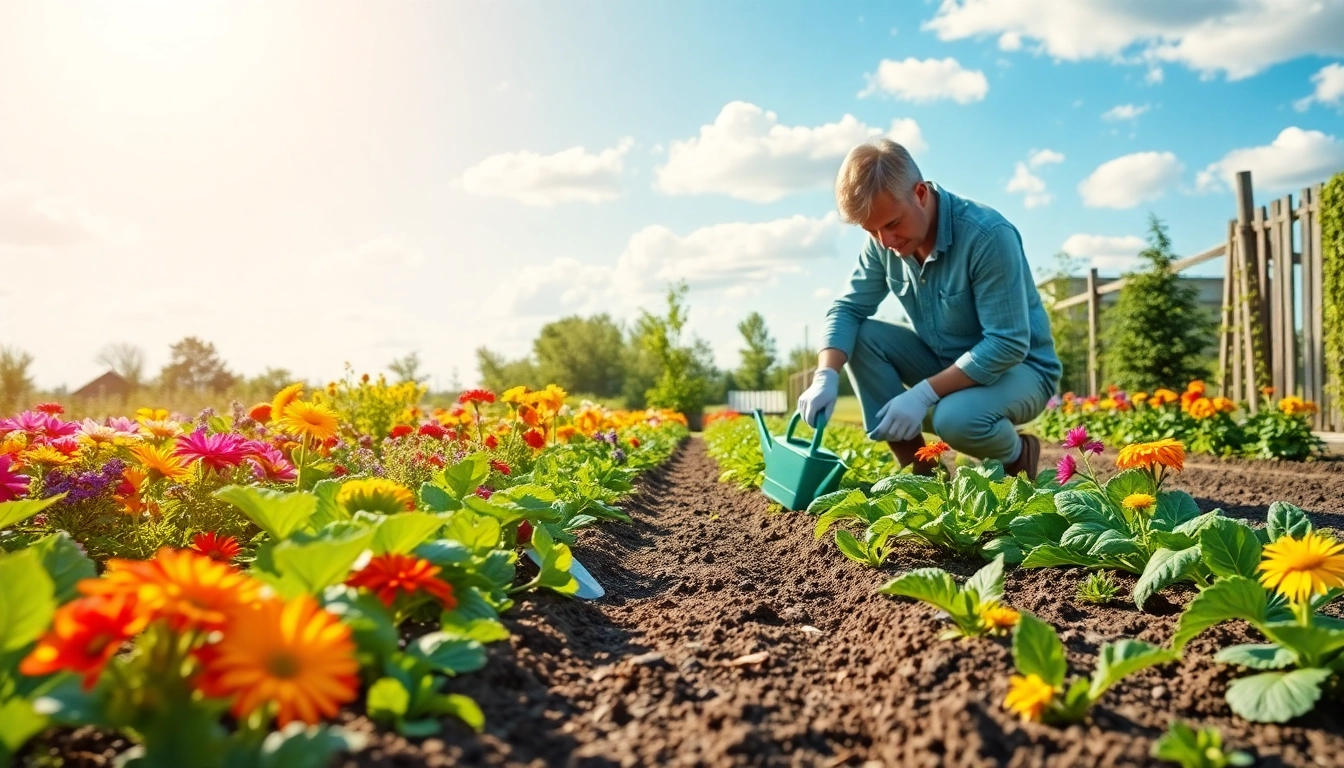
- Vegetable Gardens: Ideal for those looking to grow their own food; choose varieties suited to your local growing conditions.
- Flower Gardens: Great for aesthetic appeal, utilizing perennials, annuals, and bulbs for year-round color.
- Herb Gardens: Compact and often aromatic, excellent for culinary use, and can be easily grown in containers.
- Native Plant Gardens: Utilizing local flora can support your local ecosystem and require less maintenance.
Basic Tools Every Gardener Needs
Equipping yourself with the right tools can make your gardening experience more enjoyable and efficient. Essential tools include:
- Hand Trowel: Perfect for planting, digging, and transferring soil.
- Pruning Shears: Essential for maintaining plant health through regular trimming.
- Soil Fork: Great for aerating soil and mixing in organic matter.
- Garden Hose or Watering Can: Vital for keeping plants hydrated, especially in dry conditions.
- Gardening Gloves: Protects your hands while working with soil and plants.
Effective Gardening Techniques
Adopting effective gardening techniques can significantly improve the health and longevity of your plants. These techniques are rooted in understanding plant needs, proper care practices, and sustainable approaches.
Watering Strategies for Healthy Gardening
Watering is one of the most critical aspects of gardening. Too little can cause plants to wilt, while too much can lead to root rot. Here are some effective watering strategies:
- Water Early or Late: Early morning or late afternoon watering minimizes evaporation and maximizes absorption.
- Soak, Don’t Spray: Use drip irrigation or soaker hoses to deliver water directly to the roots.
- Check Moisture Levels: Regularly monitor the soil’s moisture to avoid over- or under-watering.
Implementing Companion Planting in Your Garden
Companion planting is a time-tested method that pairs plants together for mutual benefits. For instance, pairing tomatoes with basil enhances the flavor of the tomatoes while repelling pests. Some classic companion pairings include:
- Carrots and Onions: Onions repel carrot flies, benefiting both crops.
- Corn and Beans: Beans fix nitrogen in the soil, which is beneficial for the heavy-feeding corn.
- Marigolds and Almost Any Plant: Marigolds repel pests and are often planted alongside vegetables and flowers.
Organic Pest Control for Your Gardening
Maintaining a healthy garden often involves dealing with pests. Organic pest control methods focus on natural solutions that minimize harm to beneficial organisms. Techniques include:
- Beneficial Insects: Encourage ladybugs and lacewings that feed on aphids and other pests.
- Neem Oil: A natural pesticide that disrupts the life cycle of pests.
- Homemade Sprays: Recipes using soap, garlic, or pepper can deter pests without harming plants.
Seasonal Gardening Tips
Adapting your gardening approaches with the seasons can lead to healthier plants and more productive yields. Each season requires specific attention to ensure success.
Preparing Your Garden for Spring
Spring is a time of rejuvenation; it's essential to prepare properly for the growing season:
- Clear Debris: Remove dead plants and debris that may harbor pests over winter.
- Test Soil: Assess soil health and amend as needed before planting.
- Start Seeds Indoors: Begin your growing season early by sprouting seeds indoors.
Best Practices for Summer Gardening
During the summer months, ensuring adequate water and nutrition is critical:
- Mulching: Helps conserve moisture and suppress weeds.
- Regular Weeding: Frequent checking is necessary to keep weeds from stealing nutrients from your plants.
- Monitor for Pests: Vigilantly check plants for signs of infestation and act swiftly to address issues.
Autumn Gardening: What to Harvest and Plant
As summer yields to autumn, it's time to reap the rewards of your labor while preparing for the cooler months:
- Harvesting: Gather crops such as beans, tomatoes, and peppers while they are vibrant and fresh.
- Plant Cover Crops: Sow cover crops like clover to enrich the soil during winter.
- Clean Up: Remove spent plants and debris to prevent disease in the following season.
Advanced Gardening Strategies
For the seasoned gardener looking to expand their knowledge, advanced strategies can help you optimize your garden's performance.
Soil Amendments and Fertilization Techniques
Understanding soil amendments and fertilization is essential for supporting plant growth. Organic fertilizers derived from plants and animals can enhance soil biology:
- Compost Teas: A liquid fertilizer made by steeping compost in water can supply nutrients directly to your garden.
- Mulching with Organic Materials: Using materials like straw or wood chips not only enriches the soil but maintains moisture levels.
Creating Vertical Gardens in Small Spaces
Vertical gardening maximizes space by allowing plants to grow upward. This technique is ideal for small patios or urban spaces.
Strategies include:
- Wall Planters: Utilize wall-mounted containers designed for herbs and flowers.
- Hanging Baskets: Great for trailing plants that can cascade beautifully.
- Trellis Systems: Install trellises for climbing vegetables like peas and cucumbers.
Using Technology to Enhance Your Gardening
Modern technology can enhance gardening practices and improve efficiency. Consider these technological solutions:
- Soil Sensors: Measure moisture levels to guide your watering schedule effectively.
- Gardening Apps: Use apps for plant care reminders, pest identification, and gardening planning.
- Automated Watering Systems: Set up timers for irrigation to ensure optimal watering without overdoing it.
Community and Gardening
Engaging with the community can enrich your gardening experience, providing support and knowledge sharing.
Joining Local Gardening Clubs and Groups
Local gardening clubs offer a wealth of resources, social connections, and the opportunity to learn from experienced gardeners. They often host events and workshops, creating a sense of camaraderie.
Sharing Gardening Success Stories
Sharing your gardening successes and challenges can inspire others and foster a sense of community. Consider documenting your journey through blogs, photos, or social media platforms focused on gardening.
Hosting Gardening Workshops and Events
Hosting a workshop in your community can disseminate knowledge while bringing gardening enthusiasts together. Initiatives can include demonstrations on planting techniques, soil health, or pest management, encouraging a hands-on learning environment.
Gardening is an art that nurtures the environment, provides sustenance, and cultivates community. Whether you're growing a few herbs on your balcony or managing a vast vegetable garden, understanding the foundational elements and advanced strategies is key to your success. Embrace the journey, share your knowledge, and let your love for gardening blossom.