Understanding Residential Summer Camps
What are Residential Summer Camps?
Residential summer camps, often referred to as sleepaway camps, are specialized programs that provide children and teens with immersive experiences in a natural setting over an extended duration, typically one or more weeks. These camps operate for three or more consecutive twenty-four-hour days and usually cater to groups of at least five children. They create an environment where campers can engage in various recreational and educational activities, allowing them to build essential life skills while making lifelong memories.
Key Features of Residential Summer Camps
Residential summer camps are characterized by several distinct features:
- Overnight Stays: Campers live at the site for the duration of the camp, enabling them to fully immerse in camp life.
- Structured Programs: These camps offer structured schedules filled with diverse activities ranging from sports to arts and educational workshops.
- Group Living Experience: Children learn to live and collaborate with peers, fostering essential social skills and teamwork.
- Trained Staff: Camps are supervised by experienced counselors trained in safety and child development, ensuring a nurturing environment.
- Focus on Education & Recreation: While fun is crucial, many camps have an educational aspect, offering classes and activities that promote learning outside of the traditional classroom.
Benefits of Attending Residential Summer Camps
Sending children to residential summer camps offers numerous benefits, including:
- Personal Development: Camps foster independence and confidence as children navigate camp life away from home.
- Social Skills: Campers develop friendships and learn social skills as they interact with peers in a structured environment.
- Physical Activity: Many camps emphasize outdoor activities, promoting a healthy lifestyle through sports and adventures.
- Exposure to New Experiences: Camps often introduce children to activities they may not encounter at home, enhancing their horizons.
- Connection with Nature: Residential camps are typically set in scenic locations, allowing kids to experience the outdoors and develop a connection with nature.
Choosing the Right Residential Summer Camp
Factors to Consider When Selecting a Camp
When searching for the right residential summer camp, several factors should guide your decision-making process:
- Location: Consider the camp’s location and whether it offers an environment that aligns with your family’s values and comfort level.
- Camp Philosophy: Evaluate the camp’s mission and values to ensure they align with what you want for your child.
- Program Type: Camps may focus on various themes such as sports, arts, academic subjects, or adventure. Choose one that resonates with your child’s interests.
- Duration: Camps vary in length from weeks to several months; consider how long your child is ready to be away from home.
- Cost: Assess your budget and explore financial aid options, as camps can vary widely in cost.
Understanding Program Options in Residential Summer Camps
Residential camps offer a range of programs tailored to different interests and age groups:
- Sports Camps: Focus on skill development in sports such as soccer, basketball, and swimming.
- Arts Camps: Emphasize creative expression through activities like painting, theater, and music.
- Academic Camps: Provide enrichment activities in subjects like science, technology, engineering, and mathematics (STEM).
- Adventure Camps: Concentrate on outdoor activities, including hiking, canoeing, and rock climbing.
Evaluating Camp Safety and Accreditation
Safety should always be a priority when selecting a camp:
- Licensing: Ensure the camp complies with local regulations and holds necessary licenses.
- Staff Qualifications: Research the qualifications and training of counselors and staff, especially related to safety, first aid, and emergency preparedness.
- Counselor-to-Camper Ratio: A lower ratio often indicates more personalized attention and a safer environment.
- Accreditation: Look for camps accredited by reputable organizations, which means they meet strict safety and quality standards.
Activities and Programs Offered in Residential Summer Camps
Outdoor Adventures and Sports
Outdoor activities are a cornerstone of the residential camp experience. These adventures not only promote physical health but also provide kids with opportunities to develop teamwork and leadership skills. Typical outdoor activities include:
- Hiking: Great for fitness and exploring nature.
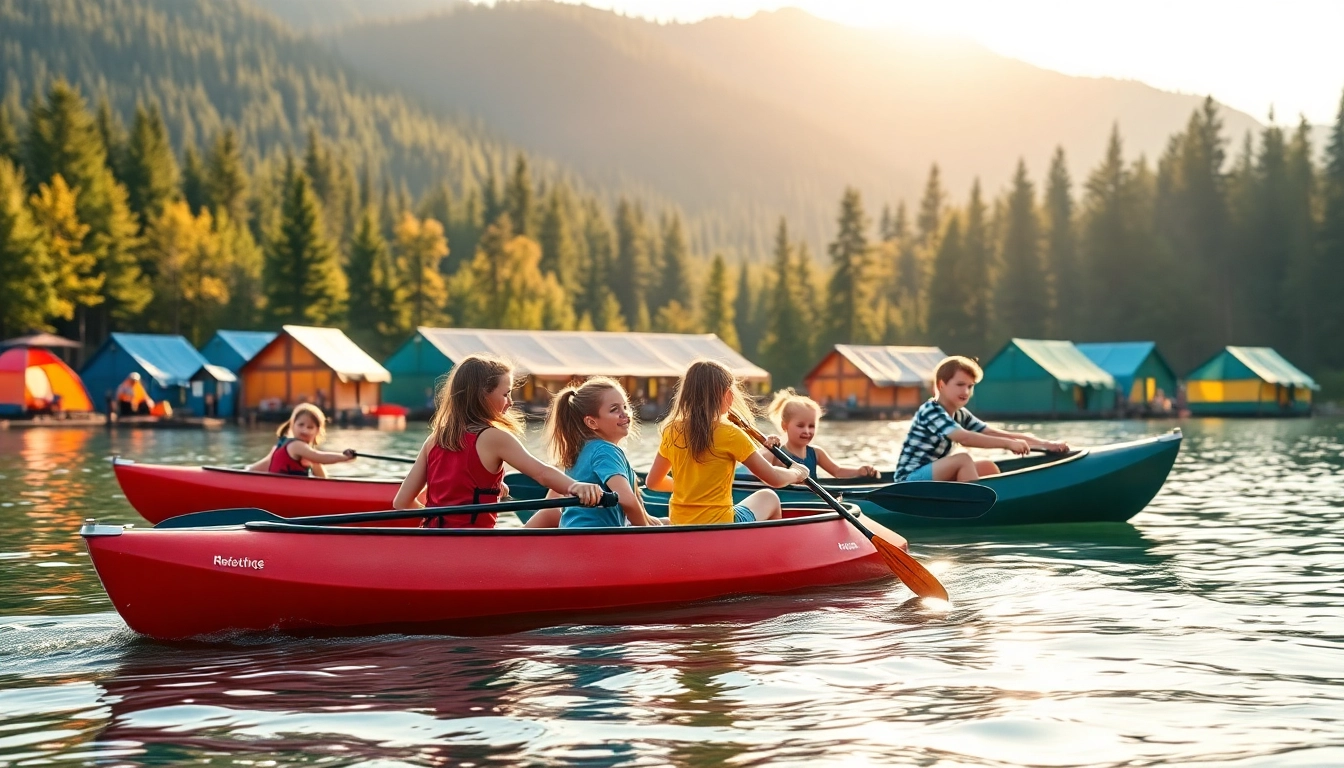
- Water Sports: Activities like kayaking, canoeing, and swimming foster enjoyment of water-based adventures.
- Team Sports: Camps often include soccer, basketball, and volleyball, teaching cooperation and competition.
- Nature Exploration: Guided explorations foster a deeper appreciation for the environment.
Arts and Crafts at Residential Summer Camps
The creative arts program in residential summer camps often includes a diverse array of activities designed to inspire creativity, such as:
- Painting and Drawing: Camps may provide supplies for children to explore their artistic talents.
- Craft Making: Projects can range from pottery to jewelry-making, encouraging hands-on creativity.
- Theater and Performing Arts: Many camps offer drama and theater programs that help boost confidence and public speaking skills.
Educational Programs and Skill Development
In addition to recreational activities, many residential camps place a strong emphasis on education and skill development:
- STEM Programs: Camps may offer workshops in coding, robotics, or environmental studies.
- Leadership Training: Some camps include programs focused on building leadership qualities among older campers, preparing them for future roles.
- Life Skills: Camps may teach campers essential skills such as cooking, gardening, and financial literacy through engaging hands-on experiences.
Preparing for Residential Summer Camps
What to Pack for a Residential Summer Camp?
Packing appropriately for a residential summer camp is crucial for your child’s comfort and enjoyment. Essentials to consider include:
- Clothing: Pack weather-appropriate clothing, including swimwear, outdoor gear, and comfortable shoes.
- Toiletries: Don’t forget personal hygiene items, sunscreen, and insect repellent.
- Sleeping Gear: If necessary, include sleeping bags and pillows for a comfortable night’s sleep.
- Specialty Items: If your child has specific interests, such as sports equipment or art supplies, make sure to include them.
Setting Expectations with Children Before Camp
Open communication about camp can set a positive tone for the experience. Consider these steps:
- Discuss Excitement: Talk about what to expect and the fun activities planned.
- Address Concerns: Allow your child to express any fears or worries they might have about being away from home.
- Establish Communication: Reassure your child about how and when you will communicate while they’re at camp.
Health and Safety Preparations for Campers
Preparing your child for health and safety during their time at camp is crucial:
- Medical Forms: Ensure that all necessary medical forms are completed and submitted to the camp.
- Health Checks: Schedule a health check-up before camp, especially for children with medical conditions or allergies.
- Plan for Emergencies: Discuss what to do in case of an emergency, including how to reach parents or guardians.
Maximizing the Benefits of Residential Summer Camps
Building Lifelong Friendships at Residential Summer Camps
The friendships formed at residential summer camps can last a lifetime. Shared experiences such as teamwork and overcoming challenges help forge strong bonds.
How Residential Summer Camps Foster Independence
Being away from home in a structured environment fosters independence in campers. They learn to solve problems, make decisions, and manage their daily activities without parental oversight.
Post-Camp Reflections and Continued Engagement
After camp, it’s important to reflect on the experiences. Encourage your child to share their favorite moments and lessons learned. Consider facilitating continued engagement, such as joining camp alumni groups or participating in off-season activities inspired by their camp experiences.
Frequently Asked Questions
What is a residential camp?
A residential camp refers to a facility where children stay overnight for three or more consecutive days, participating in various recreational and educational activities.
How do I choose the right camp for my child?
Consider location, camp philosophy, program types, duration, and cost to help find the best fit for your child’s interests and your family’s values.
What should my child pack for camp?
Pack weather-appropriate clothing, toiletries, sleeping gear, and any specialty items like sports equipment or arts supplies that they may need at camp.
How do residential camps help with personal development?
Residential camps promote personal development by fostering independence, social skills, teamwork, and resilience through engaging activities and group living experiences.
Are residential camps safe for children?
Yes, as long as you choose a camp that meets safety standards, offers trained staff, and has a clear emergency plan in place to ensure camper well-being.