
Understanding Call Recording
What is Call Recording?
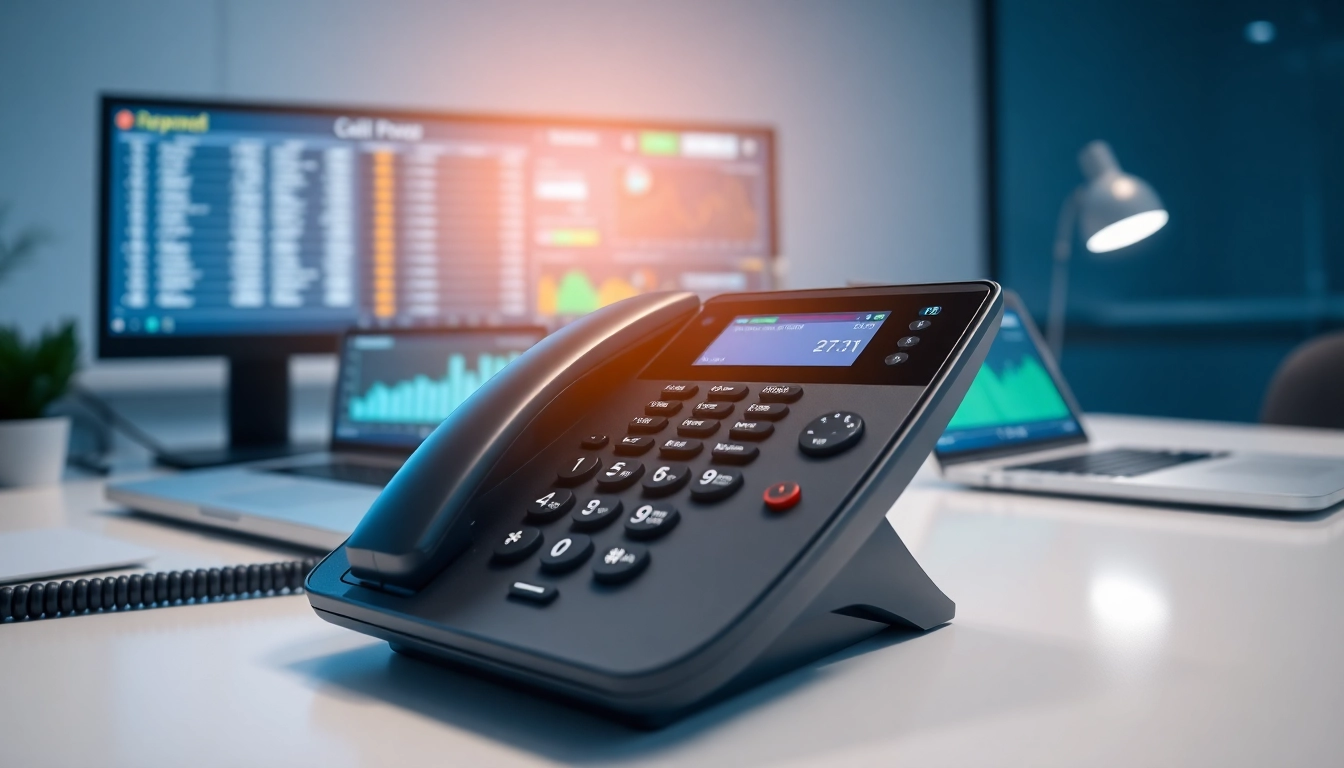
Call recording is the process of capturing telephone conversations for later playback or reference. This technology is commonly used in various sectors, including customer service, legal, and personal use. The recordings can serve multiple purposes, such as quality assurance, training, documentation, or simply to keep a log of important conversations. In today’s world where communication is key, understanding how to utilize call recording can greatly enhance operational efficiency.
How Call Recording Works
Call recording typically operates through specific software or applications designed to capture audio during a phone call. The most common methods include:
- Internal Recording: This method utilizes built-in features of telephone systems or mobile devices to record calls seamlessly.
- Third-Party Applications: Numerous apps available for both Android and iOS platforms allow users to record calls. These apps often come with advanced features like cloud storage, search functions, and automatic recording capabilities.
- VoIP Services: Businesses employing VOIP systems often have integrated call recording features, enabling organizations to automatically record calls for quality assurance and compliance purposes.
Legal Considerations for Call Recording
While call recording can be beneficial, it’s critical to understand the legal landscape surrounding it. Regulations differ by jurisdiction, but generally, there are two types of consent:
- One-Party Consent: In these jurisdictions, only one party needs to be aware that the call is being recorded. This means if you’re part of the conversation, you can record it without informing the other party.
- Two-Party Consent: Here, all parties involved in the conversation must be informed and provide consent before recording. Failing to obtain consent may lead to legal repercussions.
It’s essential to check and comply with applicable laws in your area before engaging in call recording activities.
Benefits of Call Recording
Improved Communication Clarity
Calls can often be filled with misunderstandings due to factors like tone and clarity of speech. By recording calls, individuals and organizations can revisit conversations to clarify points, ensuring that messages are accurately conveyed and understood. This ability to playback conversations promotes transparency and strengthens communication efficacy.
Team Accountability and Training
Call recording is an invaluable tool for fostering accountability within teams. Managers can assess how employees handle customer inquiries, providing constructive feedback based on actual conversations. This practice supports targeted training initiatives, empowering team members to refine their communication skills, achieve targets, and enhance overall performance.
Compliance and Legal Protection
In regulated industries, maintaining compliance is paramount. Call recording helps organizations adhere to legal and regulatory requirements by documenting interactions with clients and customers. This documentation can protect businesses from potential legal disputes, serving as evidence in case of a disagreement regarding the conversation’s content.
Best Practices for Call Recording
Choosing the Right Software
Selecting the right call recording software is crucial for achieving desired outcomes. Factors to consider include:
- Compatibility: Ensure the software is compatible with your existing phone systems and devices.
- User-Friendly Interface: Choose software that is easy to use, reducing the learning curve for employees.
- Storage Solutions: Evaluate the storage options that come with the software, ensuring that you can retain recordings for as long as necessary.
- Data Security: Look for software that provides encryption and secure cloud storage to protect sensitive information.
Setting Up for Success
Implementing a call recording system involves more than just software installation. To maximize effectiveness, consider the following steps:
- Clearly Define Policies: Establish clear policies regarding when, how, and why calls are recorded, ensuring all team members are informed.
- Training and Awareness: Provide comprehensive training for employees on the call recording process, and the importance of consent.
- Regularly Review Recordings: Encourage managers to periodically review recordings for quality assurance and employee development.
Keeping User Privacy in Mind
While call recording provides significant benefits, it’s imperative to prioritize user privacy. Inform clients and customers when their calls are being recorded, and ensure adherence to regulations. Maintaining a respectful balance between operational needs and privacy concerns reinforces trust and ethical practices.
Common Challenges in Call Recording
Technical Issues and Troubleshooting
Despite technological advancements, users may encounter technical difficulties during call recording. Common challenges include:
- Software Compatibility: Sometimes software may not function well with certain operating systems or hardware.
- Storage Limitations: Users might face storage issues if recordings are not regularly managed.
- Audio Quality: Inconsistent audio quality may result from poor network connectivity or inadequate recording settings.
To mitigate these issues, conduct regular system checks, update software, and establish protocols for maintaining audio quality.
User Acceptance and Privacy Concerns
Some users may resist call recording practices due to privacy concerns. Transparency is vital; clearly communicate how recordings will be used, stored, and protected. Seeking feedback and addressing concerns can foster acceptance among users.
Data Storage and Security Risks
With the rise of data breaches, call recording systems face security risks. To safeguard recorded conversations:
- Implement Encryption: Use encryption methods to protect stored recordings from unauthorized access.
- Regular Audits: Conduct security audits to identify vulnerabilities within your storage solutions.
- Data Retention Policies: Establish policies detailing how long recordings will be kept and under what circumstances they will be deleted.
FAQs on Call Recording
Is call recording legal?
Yes, it is legal but varies by jurisdiction. Always inform participants before recording.
How do I record calls on my smartphone?
Use built-in phone features or download apps specifically designed for call recording.
Can I record calls without notifying the other party?
Generally, it’s recommended to notify the other party to comply with legal standards.
What are the best apps for call recording?
There are many apps available for both Android and iOS; check user reviews to find the most suitable.
How long can I store recorded calls?
Storage duration depends on your storage configuration and software policies; regularly check legal requirements.
Contact Information
Customer Service Email: [email protected]
Mobile Sales Email: [email protected]
Support Email: [email protected]
Call us: 0333 015 2615
Head Office: Fareham Innovation Centre, Merlin House, 4 Meteor Way, Fareham, Lee-on-the-Solent, PO13 9FU.
London Address: 124 City Road, London, EC1V 2NX
Manchester Address: Bartle House, Oxford Court, Manchester, M2 3WQ