
Understanding Commercial Carpet Cleaning
What is Commercial Carpet Cleaning?
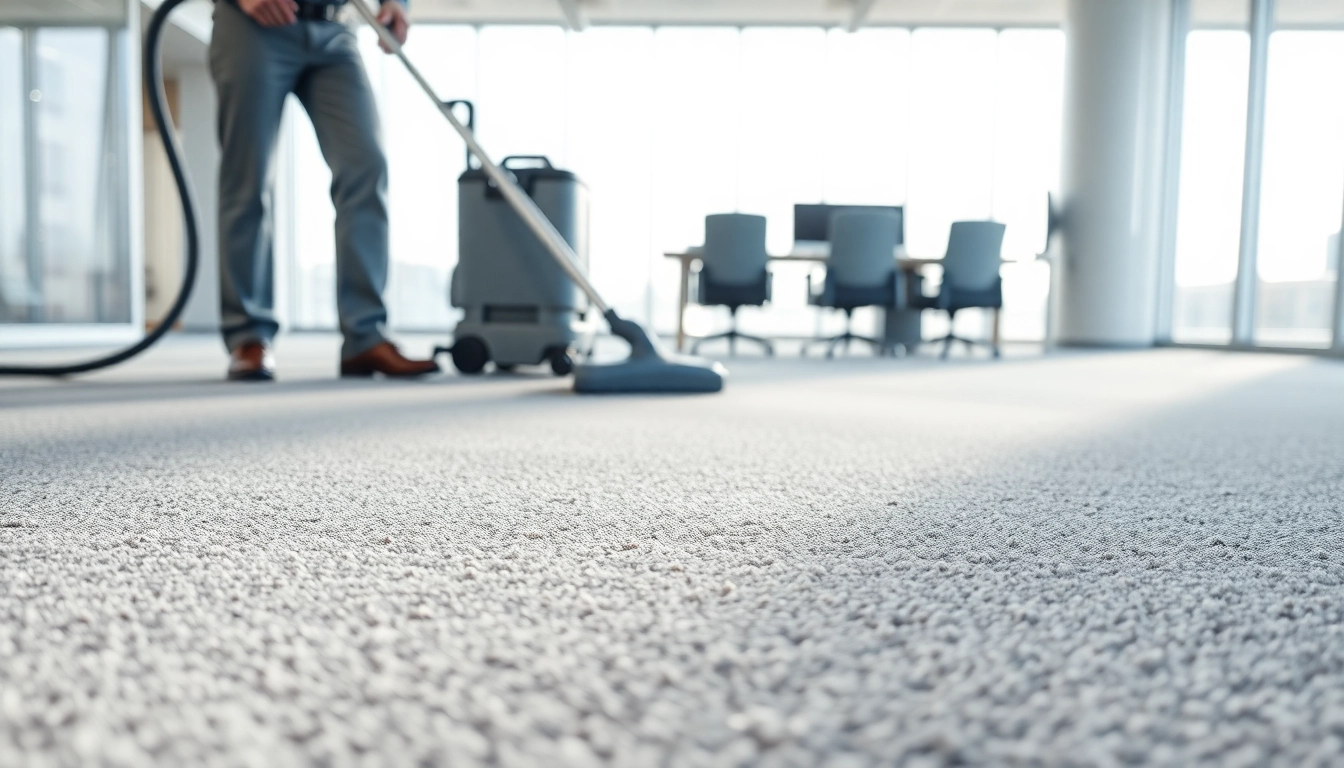
Commercial carpet cleaning refers to the specialized techniques and services used to maintain carpets in business environments, such as offices, retail stores, hotels, and other commercial spaces. Unlike residential carpet cleaning, commercial operations require the use of industrial-grade equipment and methods designed for high-traffic areas. The process often includes deep cleaning, stain removal, and preventive treatments to prolong carpet life and enhance the appearance of business premises.
The Importance of Regular Maintenance
Regular maintenance of carpets in commercial settings is crucial for numerous reasons. Firstly, clean carpets contribute significantly to a positive first impression on clients and visitors, reflecting professionalism and attention to detail. Additionally, regular cleaning enhances indoor air quality by removing allergens, dust, and bacteria trapped in fibers, thereby creating a healthier work environment. This practice not only extends the life of the carpet but also saves on replacement costs over time. Investing in commercial carpet cleaning services is a smart long-term strategy for businesses.
How Commercial Carpet Cleaning Differs from Residential Cleaning
The primary differences between commercial and residential carpet cleaning stem from the volume and type of foot traffic. Commercial cleaning focuses on durability and efficiency, as carpets in businesses face continuous wear from high foot traffic and spills. Furthermore, the cleaning solutions and machinery used in commercial settings are typically more robust than those used for homes. While residential cleaning prioritizes aesthetics and comfort, commercial cleaning also addresses maintenance and safety issues, including compliance with health regulations in some industries.
Choosing the Right Carpet Cleaning Methods
Popular Techniques for Effective Cleaning
Various methods exist for commercial carpet cleaning, each suitable for different types of carpets and the level of soiling. Among the most popular techniques are:
- Hot Water Extraction: Often referred to as steam cleaning, this method uses hot water and cleaning agents to penetrate carpet fibers, dissolving dirt and grime.
- Dry Cleaning: Utilizing specialized powders or solvents, dry cleaning minimizes moisture usage and is effective for sensitive carpets that may shrink or get damaged by water.
- Encapsulation: This fast-drying method involves applying a chemical agent that encapsulates dirt particles. It’s eco-friendly and quick, making it ideal for busy commercial environments.
- Bonnet Cleaning: Suitable for short-pile carpets, the bonnet method involves using a machine with a rotating pad soaked in cleaning solution to remove surface dirt.
Eco-Friendly Options for Commercial Spaces
As sustainability becomes increasingly important, many businesses are gravitating towards eco-friendly carpet cleaning solutions. These include using biodegradable cleaning agents, low-moisture techniques to reduce water usage, and energy-efficient machinery. Not only do environmentally friendly practices help in minimizing a company’s carbon footprint, but they also appeal to clientele who value sustainability. Implementing these methods can enhance a business’s public image while contributing to a healthier planetary environment.
Assessing Cost vs. Benefit of Different Methods
When choosing a carpet cleaning method, it’s essential to weigh the costs against the benefits. Factors such as carpet material, level of soil, and desired results will influence which method is most appropriate. For instance, while hot water extraction may have higher upfront costs, it can yield longer-lasting results, reducing the need for frequent cleaning. Conversely, dry cleaning methods may be more cost-effective in terms of time and labor but may not provide the same depth of cleaning. An effective strategy is to evaluate both short-term and long-term outcomes based on cleaning frequency and maintaining carpet quality.
Common Challenges in Commercial Carpet Cleaning
Dealing with Stains and Spills
Accidental spills are inevitable in commercial settings. Addressing stains promptly is critical to prevent long-term damage. Different stains require specific treatments for effective removal; for instance, coffee or wine may need immediate attention with a cleaning solution designed for such substances. Implementing a spill response protocol can significantly reduce the chances of permanent staining, emphasizing the importance of quick action and the availability of appropriate cleaning supplies.
Handling High-Traffic Areas
High traffic zones, such as lobbies and hallways, endure constant wear and tear. These areas often accumulate dirt faster than less frequented spaces. A proactive approach involves creating a routine cleaning schedule tailored to the occupancy level of various areas. Utilizing entry mats and encouraging a no-shoe policy in sensitive zones can further mitigate soil intrusion. Regular deep cleaning in conjunction with preventive measures can maintain appearance and longevity.
Addressing Odors and Allergens
Odors can be a significant issue in commercial spaces, often stemming from mold, spills, or pets. These can irritate allergies and reduce workplace comfort. Solutions involve deep cleaning and deodorizing carpets regularly to eliminate odor sources. Additionally, using air purifiers and maintaining ventilation can improve air quality, reducing the likelihood of allergens lingering in carpet fibers.
Best Practices for Maintaining Carpet Quality
Frequency of Cleaning Services
The frequency of carpet cleaning services should be based on traffic levels and type of business. High-traffic areas may require cleaning every three to six months, whereas low-traffic areas might only need professional cleaning once a year. Regular spot cleaning should be conducted as needed, especially in preparation for events or in response to particular spills. Monitoring carpet condition can help in deciding the right schedule.
Choosing Quality Products and Equipment
Using high-quality cleaning products and equipment is essential for effective carpet maintenance. Selecting eco-friendly, non-toxic cleaning agents ensures safety for both employees and visitors. Invest in professional-grade cleaning machines with advanced features that enhance cleaning effectiveness. Consulting with a carpet cleaning professional can help identify the best products suited for specific carpet types.
Training Staff for Day-to-Day Upkeep
Training staff on proper carpet care can significantly extend the life of commercial carpets. Providing guidelines on how to handle spills, maintain cleanliness, and use cleaning products effectively empowers employees to take ownership of their workspace. Routine training sessions to refresh and improve knowledge can lead to a more proactive approach to carpet management.
Measuring the Effectiveness of Carpet Cleaning
Key Performance Indicators
To gauge the success of carpet cleaning efforts, businesses should track key performance indicators (KPIs). These may include the frequency of stains, the time until carpets show signs of wear, and customer feedback. Regular audits can help assess whether cleaning schedules and methods are effectively preserving carpet integrity.
Client Satisfaction Surveys
Client satisfaction surveys are a valuable tool for measuring perceptions of cleanliness and overall satisfaction with the business environment. Analyzing feedback can inform adjustments to service frequency and cleaning methods, ensuring that the company meets high standards while aligning with client expectations.
Long-Term Cost Savings Analytics
Understanding long-term cost savings associated with regular professional cleaning is vital. Businesses can assess financial outcomes by examining the total costs of carpet replacements versus routine maintenance and cleaning. Tracking these metrics helps in justifying investments in professional cleaning services, demonstrating both financial and aesthetic impacts.
Frequently Asked Questions
1. How often should commercial carpets be cleaned?
The cleaning frequency depends on traffic levels; high-traffic areas usually require cleaning every 3-6 months, while low-traffic areas might need it once a year.
2. What are the best methods for stain removal?
Hot water extraction and targeted stain removal products are effective methods for dealing with specific stains, but quick action is essential for best results.
3. Are eco-friendly cleaning methods effective?
Yes, eco-friendly cleaning methods can be highly effective and safer for both employees and the environment while preserving the quality of the carpets.
4. Can I use regular vacuum cleaners in commercial environments?
While regular vacuum cleaners can be used for maintenance, professional-grade vacuum cleaners are recommended for optimal dirt removal in commercial settings.
5. How can I maintain odor-free carpets?
Regular cleaning, using deodorizing agents, and ensuring proper ventilation can help keep carpets smelling fresh and reduce allergens.


