
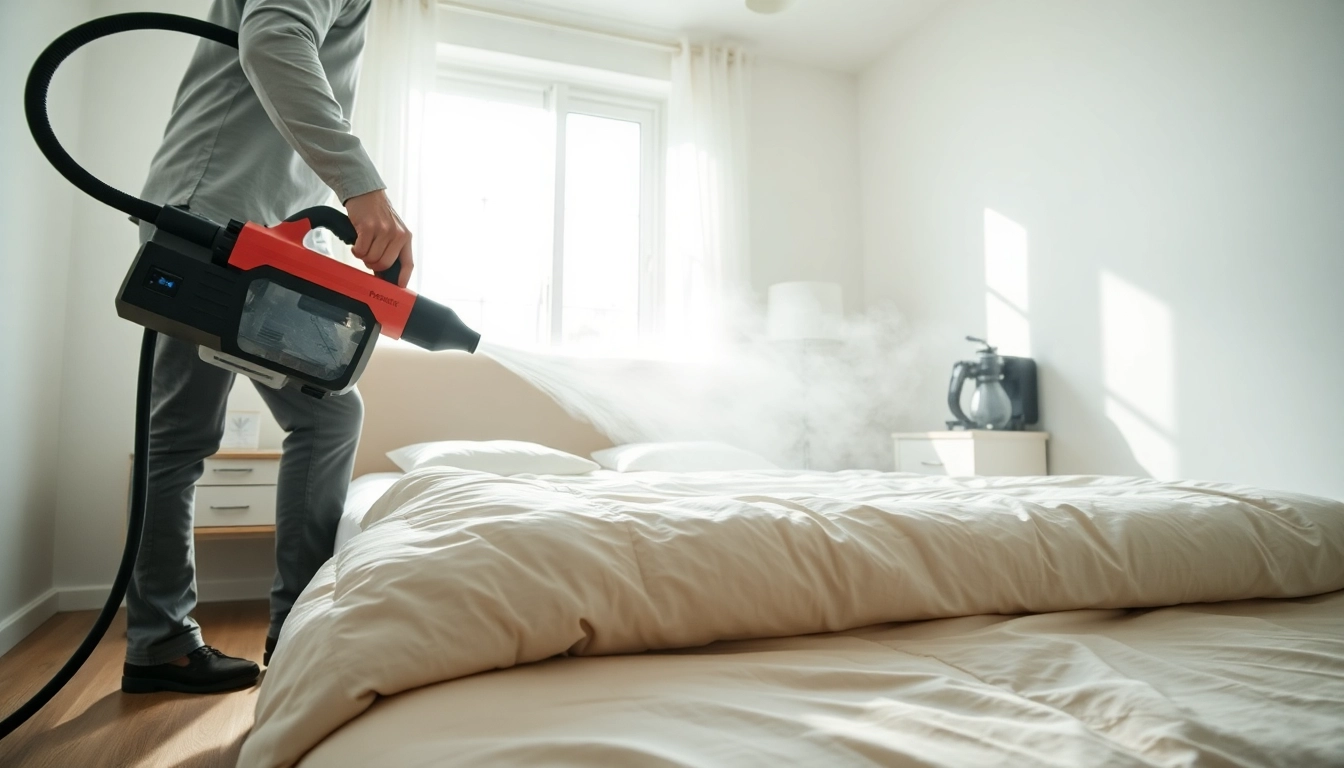
Understanding Bed Bugs
What Are Bed Bugs?
Bed bugs are small, parasitic insects that feed on human blood, typically during the night. Measuring around 4 to 5 mm in length, these oval-shaped bugs are initially brown in color but can appear reddish after feeding. They thrive in warm and cozy environments, making mattresses, bed frames, and upholstery their preferred hiding spots. Understanding their biology is crucial for effective bed bug removal.
Life Cycle of Bed Bugs
The life cycle of bed bugs consists of several stages: egg, nymph, and adult. Female bed bugs typically lay 1-5 eggs daily, which hatch within 6-10 days at room temperature. Nymphs undergo molting and can mature into adult bed bugs in 5-6 weeks, enabling effective reproduction and infestation in a short time frame. Understanding this cycle is vital for determining the timely and appropriate treatment needed for eradication.
Signs of an Infestation
Identifying a bed bug infestation early is crucial to minimizing damage and discomfort. Common signs include:
- Visible bed bugs or shed exoskeletons in bedding and furniture.
- Red, itchy welts on the skin—often in clusters or lines.
- Dark spots on mattresses or walls, which are fecal stains.
- Unpleasant musty odors from pheromones emitted by bed bugs.
If you notice these signs, immediate inspection and action are essential to implement effective bed bug removal strategies.
Preparing for Bed Bug Removal
Identifying Infested Areas
Before starting the removal process, it is crucial to conduct a thorough inspection of your home. Focus on areas where you sleep and might rest, such as:
- Mattresses and box springs
- Bed frames and headboards
- Cracks and crevices in walls and furniture
- Clothing and personal items stored nearby
Documenting hot spots will help in planning a targeted approach, ensuring a more efficient bed bug removal process.
Cleaning and Decluttering Your Space
Cleaning your space is a critical preliminary step in combating bed bugs. Conduct a thorough decluttering to remove potential hiding spots. This involves:
- Washing all bedding and clothing in hot water (at least 140°F) to kill bed bugs and their eggs.
- Vacuuming floors, carpets, and upholstered furniture to remove any visible bugs and eggs.
- Sealing infested items in plastic bags for disposal or treatment.
Taking these actions significantly lowers the quantity of bed bugs in your environment, enhancing the effectiveness of subsequent treatment methods.
Protective Measures Before Treatment
Before applying any treatment, ensure to take the following protective measures:
- Remove all items from the treatment area to avoid contamination.
- Cover or remove pets and plants to protect them from pesticides or extreme heat during treatments.
- Seal any cracks in walls and floors to minimize bed bug hiding places.
These precautions ensure a safer and more successful bed bug removal process.
Methods of Bed Bug Removal
Heat Treatment Techniques
One of the most effective strategies for killing bed bugs is heat treatment. This technique involves raising temperatures in infested areas to at least 118°F, ensuring bed bugs, nymphs, and eggs are exterminated. Typical procedures include:
- Heating affected rooms to a consistent temperature for several hours.
- Employing specialized heaters that circulate hot air throughout all areas.
- Using infrared thermometers to ensure effective heat levels are maintained.
This method is favored for its thoroughness, as it not only kills adult bed bugs but also penetrates deeper to eliminate eggs, thereby breaking the infestation cycle.
Chemical Treatments: When and How?
Chemical treatments are sometimes necessary, particularly for widespread infestations. Here’s a breakdown of how chemical treatments work:
- Pesticides apply insecticides specifically designed to target bed bugs, including residual sprays that linger post-application.
- It is crucial to follow all product safety instructions and recommended applications to avoid health risks.
- Using multiple types of insecticides can enhance effectiveness and prevent bed bug resistance.
Incorporating chemical treatments along with integrated pest management strategies ensures comprehensive bed bug removal while minimizing health hazards to household members.
Natural Remedies for Bed Bug Removal
For those looking for eco-friendly approaches, several natural remedies could assist in controlling bed bug populations, including:
- Essential oils like tea tree or lavender, which have insect-repelling properties.
- Diatomaceous earth, which can desiccate and kill bed bugs upon contact.
- Frequent vacuuming followed by steam cleaning to eliminate bugs at all life stages.
While these methods may not fully eradicate heavy infestations, they can serve as supportive measures alongside more robust techniques.
Post-Removal Steps
Preventing Future Infestations
Once bed bugs have been removed, ongoing vigilance is essential to prevent recurrence. To safeguard your home:
- Regularly inspect sleeping areas for signs of new activity.
- Use bed bug-proof covers on mattresses and pillows.
- Practice proper travel hygiene, such as inspecting hotel rooms and luggage before returning home.
Implementing these steps can significantly reduce the chances of a new infestation.
Ongoing Inspection and Monitoring
Post removal, set a schedule for routine inspections. Tools for effective monitoring include:
- Bed bug detection traps placed strategically around your home.
- Regularly checking laundry areas or guest rooms if visitors may have been a potential source.
- Utilizing professional monitoring services if necessary for peace of mind.
Ongoing vigilance will help to catch any resurgence early, reducing both the emotional and financial impacts of infestations.
Utilizing Bed Bug Proof Covers
Bed bug-proof covers are a proactive measure to protect mattresses and box springs. Key benefits include:
- Creating an impenetrable barrier that traps existing bugs and prevents new ones from entering.
- Making routine cleaning easier by reducing hiding places.
- Offering protection for your investments in bedding, extending their lifespan.
Incorporating encasements into your preventative strategy contributes significantly to long-term solutions for bed bug removal.
Frequently Asked Questions
What is the average cost of bed bug removal?
The average cost for professional bed bug removal ranges from $300 to $1,500, varying based on the level of infestation and location.
How long does bed bug removal take?
Effective bed bug treatment may require taking several hours, and multiple follow-ups are typically necessary over weeks for complete eradication.
Can I treat bed bugs myself?
While DIY methods can mitigate small infestations, professional services are often more effective at ensuring complete eradication of bed bugs.
What kills bed bugs instantly?
High heat, exceeding 118°F, or specific insecticides can kill bed bugs on contact, making them effective measures during treatment.
Are bed bugs dangerous to my health?
Though they do not transmit diseases, bed bug bites can cause allergic reactions, resulting in significant stress and discomfort for affected individuals.