
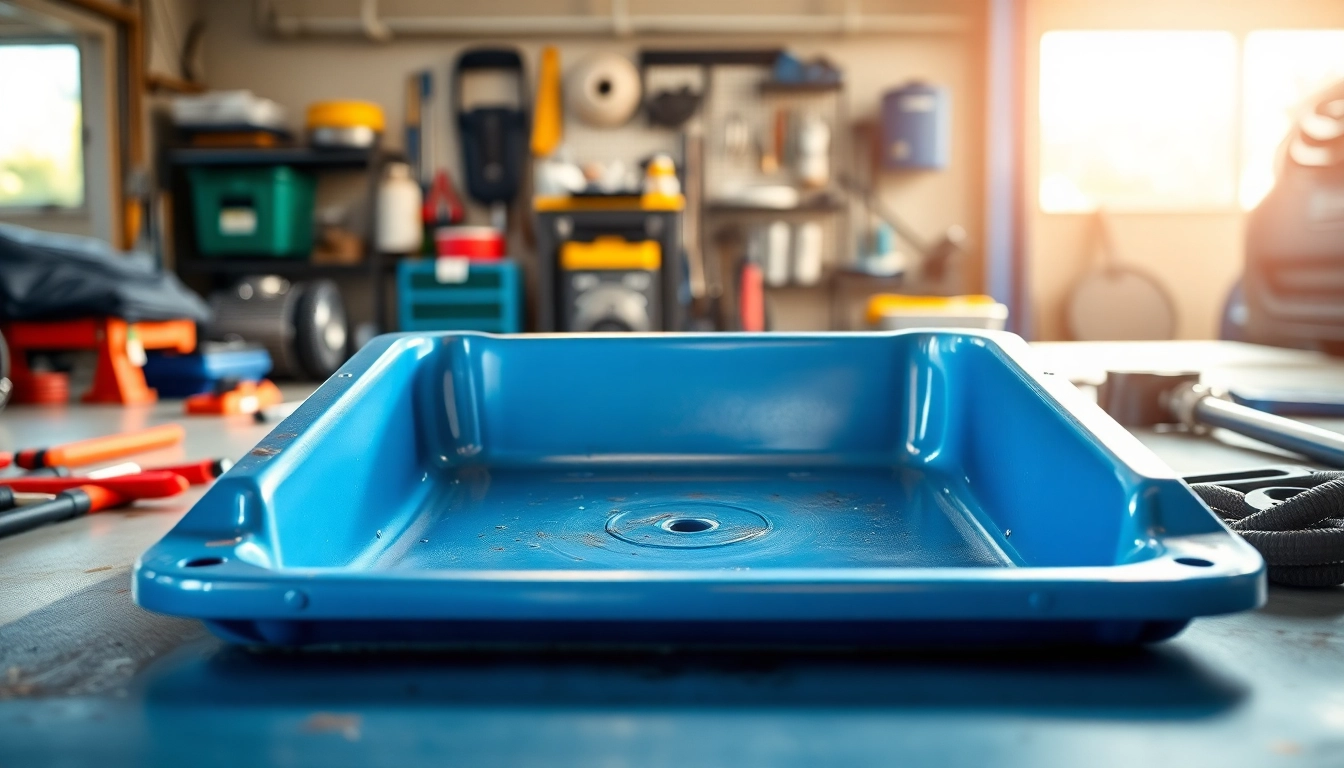
Understanding the Importance of an Oil Drain Pan
The Oil Drain Pan is a fundamental tool for any vehicle owner or mechanic. This simple yet essential item ensures that the oil change process is efficient, clean, and environmentally friendly. Let’s dive into the details of what an oil drain pan is, why it’s necessary, and the various types available in the market.
What is an Oil Drain Pan?
An oil drain pan is a container designed to collect used motor oil during an oil change. Typically, they are made from durable materials like plastic or metal and come in various sizes and configurations. Their main purpose is to capture the oil as it drains from the vehicle’s oil pan, preventing spills and maintaining a clean working environment. A good oil drain pan can be a game-changer in both home garages and professional auto shops.
Why You Need an Oil Drain Pan
Changing oil is a routine maintenance task that every vehicle owner must undertake. The oil drain pan serves several crucial purposes:
- Prevent Spills: Without a dedicated container, oil can easily spill on the ground, leading to environmental damage and messy cleanups.
- Ease of Use: With an oil drain pan, the process becomes straightforward, allowing for a more streamlined approach to changing oil.
- Recycling: Captured oil can be disposed of properly or recycled, aligning with environmental best practices.
Different Types of Oil Drain Pans
There are several types of oil drain pans, each designed with specific features to accommodate different needs:
- Standard Drain Pans: These are basic models suitable for personal use, typically plastic with a wide opening for easy drainage.
- Electric Oil Drain Pans: Equipped with a pump for quicker draining, these pans are ideal for mechanics who handle multiple oil changes.
- Rolling Drain Pans: These feature wheels for easy maneuverability, suitable for garages with limited space.
Key Features to Look for in an Oil Drain Pan
Material Considerations
The material of the oil drain pan is essential for durability and usability. Common materials include:
- Plastic: Lightweight and cost-effective, plastic pans are great for regular use but may not withstand high temperatures.
- Metal: More durable and capable of handling hot oil, metal pans can be a better option for professional settings.
- Composite Materials: Some high-end models use a mix of materials for added strength and flexibility.
Size and Capacity
The size and capacity of an oil drain pan is another critical consideration. Depending on the type of vehicles you service, you may need a larger or smaller capacity. Generally, pans are available in sizes ranging from 5 quarts to over 20 quarts. For most passenger vehicles, 5 to 8 quart pans suffice, while larger vehicles may require more substantial options.
Design and Ergonomics
An ergonomic design can significantly enhance the usability of an oil drain pan. Look for features like:
- Handle: A sturdy handle makes it easier to maneuver the pan, especially when it’s full.
- Spout: A well-designed spout aids in pouring the used oil without spilling.
- Non-slip Base: This feature ensures that the pan remains stationary during use, preventing accidental spills.
Best Practices for Using an Oil Drain Pan
Proper Installation and Setup
To maximize the effectiveness of your oil drain pan, follow these installation and setup tips:
- Position the drain pan under the vehicle’s oil pan, ensuring it is level to avoid spills.
- Use a funnel if necessary to direct oil flow into the pan, especially with standard models.
- Ensure the area around the pan is clear of any tools or equipment that could cause accidents.
Steps for Safe Oil Change
Changing oil involves critical steps to ensure safety and effectiveness:
- Warm up your engine slightly to thin the oil, making it easier to drain.
- Turn off the vehicle and allow a few minutes for it to cool down.
- Remove the oil pan plug and let the oil drain completely into the pan.
Cleaning and Maintenance Tips
After using your oil drain pan, proper cleaning is essential:
- Once the oil is drained, clean the pan with a solvent suitable for oil management.
- Store the pan upside down and in a dry place to prevent contamination and odors.
- Inspect the pan regularly for any cracks or damages; replace if necessary.
Common Troubleshooting with Oil Drain Pans
Addressing Spills and Leaks
Accidental spills can occur. Here’s how to effectively address them:
- Immediately use absorbent materials like kitty litter or commercial oil absorbents to contain the spill.
- Once contained, clean the area using appropriate cleaners to prevent slipping and ground contamination.
Handling Clogs
Sometimes, the pan’s spout can become clogged, causing messy drainage:
- Clear the spout using a wire or pipe cleaner to remove any blockages.
- Regularly inspect and clean the spouts to prevent build-up.
Maintenance to Avoid Damage
Taking proactive measures can prevent damage to your oil drain pan:
- Do not expose plastic pans to extreme heat, as this can warp them.
- Store metal pans in a way that prevents scratching to maintain integrity.
Frequently Asked Questions about Oil Drain Pans
What is the ideal size for an Oil Drain Pan?
The ideal size typically ranges from 5 to 8 quarts for passenger vehicles. Larger pans may be necessary for trucks or heavy equipment.
Can I use a plastic Oil Drain Pan for hot oil?
It is not recommended, as plastic can warp under high temperatures. Use a metal pan for hot oil to ensure safety and durability.
How often should I clean my Oil Drain Pan?
After every use, you should clean your Oil Drain Pan to prevent contamination and odors, ensuring safe and efficient usage.
Are there specific oil types I should be aware of?
Yes, synthetic and conventional oils have different properties and disposal methods. Always check local regulations for disposal guidelines.
What features make an Oil Drain Pan more effective?
Look for features like a wide base, spout for easy pouring, durable material, and an ergonomic handle. These enhance usability and efficiency.