
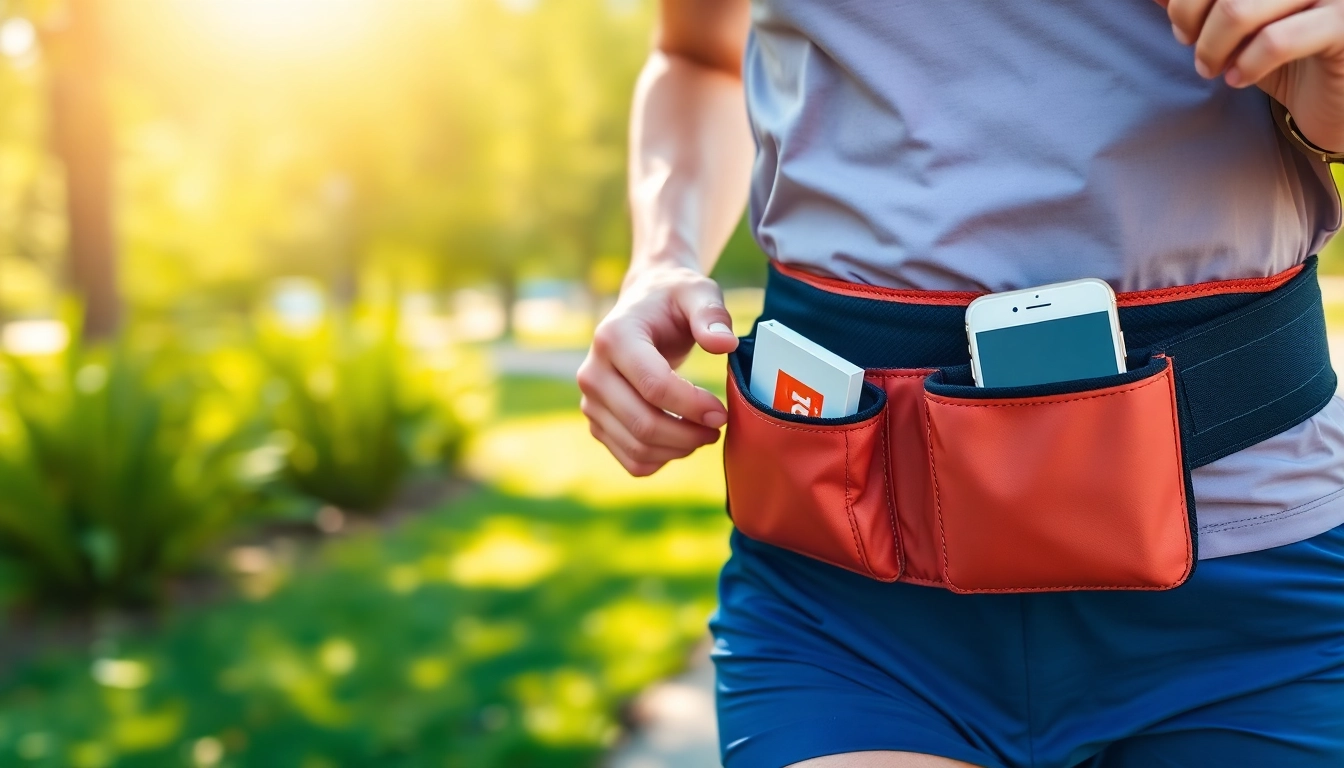
Introduction to Running Waist Belts
For runners, especially those who engage in prolonged sessions or participate in races, carrying essentials securely and comfortably is a significant concern. Enter the running waist belt: a tailored solution designed to provide an optimal carrying experience without hindering your performance. This comprehensive guide delves into the numerous advantages, types, and practical usage tips of running waist belts to help you make an informed decision on the best option for your needs.
What is a Running Waist Belt?
A running waist belt is a specialized accessory worn around the waist that allows runners to carry essentials like phones, keys, nutrition, hydration, and other small items securely while engaged in physical activity. These belts are designed to be lightweight and minimize bounce to ensure that comfort is maintained throughout your run.
Benefits of Using a Running Waist Belt
- Convenience: One of the main advantages of a running waist belt is that it allows you to carry essential items without the need for bulky bags or pockets.
- Enhanced Comfort: Designed to fit snugly, a waist belt minimizes bounce and movement, providing a distraction-free running experience.
- Increased Safety: Keeping your valuables secured on your body reduces the risk of losing essential items during your run.
- Hydration on the Go: Some waist belts come with hydration options, ensuring you stay refreshed on longer runs.
- Versatile Use: Beyond running, these belts can serve other activities such as cycling, hiking, or traveling.
Types of Running Waist Belts Available
When it comes to selecting a running waist belt, you will find several types tailored for different needs:
- Hydration Belts: These include compartments for water bottles, making them ideal for long-distance runs.
- Storage Belts: Created primarily for carrying essentials like phones, money, and keys without additional hydration compartments.
- Compression Belts: Designed to fit snugly against your body, minimizing any bounce during movement.
- Race Belts: Often equipped with small pockets to hold race bibs and other light materials, providing streamlined storage.
- Multi-functional Belts: Some waist belts come with detachable patches for added versatility, making them adaptable to various activities.
How to Select the Right Running Waist Belt
With numerous options on the market, knowing the crucial features can help you select the right running waist belt. Here are the key elements to consider:
Key Features to Consider
When choosing a running waist belt, pay attention to the following features:
- Adjustability: Look for belts with adjustable straps to customize the fit to your waist size.
- Pockets Size: Consider the size and number of pockets to ensure they can accommodate your essentials.
- Material: Breathable and moisture-wicking fabrics can enhance comfort, especially on warm days.
- Reflectivity: If you run in low-light conditions, belts with reflective elements can enhance your visibility.
- Bounce Control: Select designs that emphasize stability to minimize movement during runs.
Size and Fit: Finding Your Best Match
Selecting the right size of a running waist belt is crucial for both comfort and utility. Most belts come with sizing charts or adjustable features to help you find your best fit. When trying them on:
- Ensure it sits snugly above your hips.
- Check for adjustments that prevent slippage during movement.
- If possible, test the belt while walking or jogging to ensure comfort in motion.
Material and Durability Insights
The longevity and performance of a running waist belt largely depend on its material. Common fabrics include:
- Neoprene: Offers water resistance and elasticity, ideal for hydration belts.
- Nylon: Lightweight and often quick-drying, making it suitable for avid runners.
- Mesh: Provides breathability to keep you cool during runs.
Check for seams and stitching quality—strong construction means better durability and fewer issues over time.
Best Practices for Using a Running Waist Belt
Once you have purchased a running waist belt, using it effectively can enhance your running experience. Here are some best practices:
How to Wear Your Running Waist Belt Effectively
To ensure comfort and functionality, wearing your running waist belt correctly is essential:
- Place the belt at your waist so it fits snugly but comfortably, without restricting movement.
- Adjust the straps to minimize bounce, ensuring the belt lies flat against your body.
- If your belt includes a phone compartment, make sure the phone’s screen faces your body to reduce the risk of damage.
Storing Essentials: What to Bring Along
When preparing for a run, carefully consider what items are necessary to store in your running waist belt:
- Phone: Essential for communication, navigation, or tracking your run.
- Keys: Take only what you need, possibly using a key pocket that’s secure.
- Nutrition: Energy gels or snacks for longer runs can provide vital energy boosts.
- Cash or ID: Always handy in case of emergencies.
- Hydration: For longer runs, small water bottles can fit within certain waist belts.
Maintaining Comfort During Runs
Maintaining comfort while using a running waist belt involves several factors:
- Choose lightweight items to avoid excess weight.
- Distribute weight evenly across the belt to prevent any one area from feeling bulky.
- Consider wearing moisture-wicking clothing to enhance comfort during long runs.
Common Issues with Running Waist Belts
While running waist belts are convenient, users may encounter certain issues that require solutions:
Dealing with Bounce and Discomfort
Bouncing can be annoying and distracting during a run. To mitigate this, ensure that:
- Your belt fits snugly and is designed to control bounce effectively.
- When testing the belt, simulate movement to see how it holds up in action.
- Utilize compression designs that fit closer to the body.
Weight Distribution: Tips for a Balanced Carry
To distribute weight effectively across your running waist belt, consider:
- Placing heavier items closer to your center of gravity.
- Utilizing functional compartments to allocate weight evenly.
- Avoid cramming too much into the belt as it may affect your running form.
Choosing the Right Accessories
Customizing your running waist belt with the right accessories can enhance functionality. Consider accessories such as:
- Hydration Pouches: Attach to hydration belts for added convenience.
- Reflective Strips: For improved visibility during low-light conditions.
- Customizable Tags: Some belts offer options to add personalization.
Frequently Asked Questions
What does a running waist belt do?
A running waist belt provides a secure and convenient way to carry essentials like phones, keys, gels, and water while running, enhancing your experience and performance.
Can I use my running waist belt for hydration?
Yes, many running waist belts are designed to include compartments for water bottles, making them ideal for long-distance runners wanting to stay hydrated.
Are all running waist belts adjustable?
While most running waist belts offer adjustable straps for a proper fit, it’s essential to check product specifications for adjustability features before purchasing.
How to clean and care for my running waist belt?
Cleaning typically involves hand washing in cold water with mild detergent. Always check the manufacturer’s care instructions before proceeding to ensure longevity.
Is it safe to run with valuables in a waist belt?
Yes, as long as the items are securely stored, running with valuables in a waist belt is generally safe and helps reduce the risk of losing them.