Understanding Natural Dyes: A Comprehensive Overview
Natural dyes are an ancient form of coloring materials that derive their pigments from plants, minerals, and even insects. In today’s fashion industry, a resurgence in interest towards sustainable practices has made natural dyes a key topic. As consumers become more conscious of environmental issues, the demand for eco-friendly and organic materials has skyrocketed. This article will delve into the world of natural dyes, exploring their history, benefits, sources, and the innovative practices that sustain their relevance in modern fashion.
What Are Natural Dyes?
Natural dyes are colorants derived from natural sources such as plants, fungi, minerals, and even insects. Unlike synthetic dyes, which are manufactured using chemicals, natural dyes offer a sustainable alternative that is more environmentally friendly. Common examples include indigo from the Indigofera plant, madder root for reds, and turmeric for vibrant yellows. These dyes can produce a wide spectrum of colors and shades, depending on the source material and the dyeing process employed.
The History of Natural Dyes and Their Usage
The use of natural dyes dates back thousands of years, with evidence of their application found in ancient civilizations across the globe. The Egyptians are known to have used indigo and other plant-based dyes to color their garments, while in Asia, natural dyes like safflower and cochineal were integral to textile production. With the advent of synthetic dyes in the 19th century, the use of natural dyes diminished significantly, but they have recently experienced a renaissance as artisans and consumers alike seek sustainable and ethical practices.
Benefits of Using Natural Dyes in Fashion
- Environmental Impact: Natural dyes are biodegradable and do not contribute to water pollution like many synthetic alternatives.
- Health Benefits: Products dyed with natural dyes are often safer for skin contact, reducing the risk of allergic reactions.
- Aesthetic Appeal: Natural dyes create unique, rich colors that vary from batch to batch, giving each piece a one-of-a-kind character.
- Supporting Local Economies: Sourcing materials locally supports small-scale farmers and producers.
Key Materials for Natural Dyes
Common Sources for Natural Dye Production
Various materials can be used to create natural dyes, each offering unique shades and properties. Some common sources include:
- Plants: Leaves, flowers, roots, and bark are primary sources, with examples including:
- Madder: Produces reds and pinks.
- Weld: Known for its bright yellow hues.
- Minerals: Many minerals can be used to create muted, earthy tones.
- Insects: Cochineal, for example, provides a vibrant red.
How to Choose Sustainable Materials for Dyeing
When selecting materials for natural dyeing, consider the following:
- Source: Look for local, organic farms that practice sustainable farming methods.
- Seasonality: Choose materials that are in season to reduce environmental impact.
- Biodegradability: Ensure that the materials used for dyeing can break down naturally.
Innovative Uses of Food Waste in Dyeing
In an effort to combat waste, many artisans are now utilizing food scraps to create natural dyes. For instance, onion skins, avocado pits, and coffee grounds yield beautiful shades ranging from yellows to deep browns. This practice not only reduces waste but also encourages creativity in the dyeing process.
The Dyeing Process: Techniques and Best Practices
Step-by-Step Guide to Dyeing with Natural Dyes
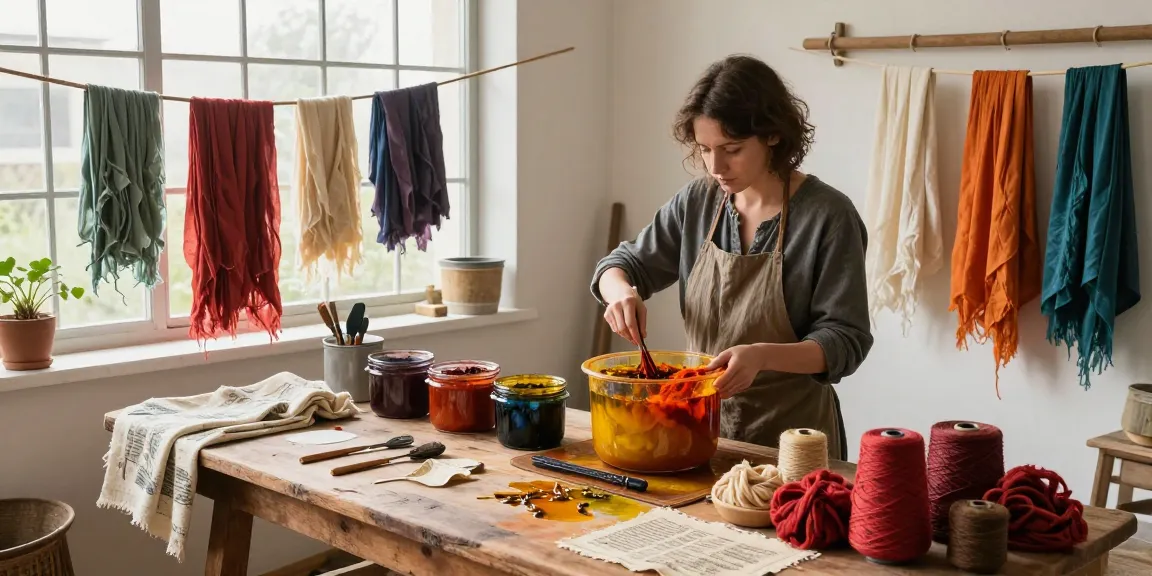
Here’s a simple guide to dyeing fabrics with natural dyes:
- Preparation: Pre-wash the fabric to remove any residues.
- Dye Extraction: Boil the plant material in water to extract color.
- Mordanting: Treat the fabric with a mordant (like alum) to help fix the dye.
- Dyeing: Soak the fabric in the dye bath for the desired time.
- Rinsing: Rinse the fabric with cold water until it runs clear.
- Drying: Hang the fabric to dry away from direct sunlight.
Common Mistakes in Natural Dyeing and How to Avoid Them
Some common pitfalls include:
- Not properly preparing the fabric, leading to uneven dye absorption.
- Using the wrong mordant, which can affect the final color.
- Neglecting to test colors on small swatches first.
Expert Tips for Achieving Vibrant Colors
- Experiment with different mordants; they can drastically change the final hue.
- Don’t rush the dyeing process. Allow sufficient time for the fabric to absorb the dye.
- Keep a dye journal to track your results, which can help refine your techniques.
Exploring Trends in Natural Dyes for 2026
Eco-Friendly Practices and Sustainability in Fashion
As the fashion industry evolves, the trend towards sustainability has become not only a preference but a necessity. In 2026, we expect to see even greater shifts towards eco-friendly practices. Brands will continue to prioritize natural dyes as they look to improve their environmental footprints.
How Consumers are Driving Demand for Natural Dyes
Modern consumers are increasingly prioritizing ethical consumption. They often choose brands that align with their values concerning sustainability and social responsibility. As this trend continues, the market for natural dyes will likely expand.
Future Innovations in Natural Dye Technology
Technological advancements are paving the way for innovative dyeing methods. Researchers are exploring new ways to maximize color yield and efficiency in the dyeing process, including fermentation techniques and bioengineering to create new plant varieties with enhanced dyeing properties.
Frequently Asked Questions About Natural Dyes
What are the best natural dyes for beginners?
Beginners often find it easiest to work with readily available materials such as turmeric (for yellow), madder (for red), and avocado pits (for pink). These materials are forgiving and yield vibrant colors.
How do natural dyes compare to synthetic dyes?
Natural dyes are generally safer for health and the environment, producing fewer chemicals and waste. However, they may require more expertise to achieve consistent results compared to synthetic dyes.
Can I create my own natural dyes at home?
Absolutely! Many household items can be used for dyeing, including food scraps and garden plants. Simple methods often yield beautiful results.
What fabrics work best with natural dyes?
Natural fibers such as cotton, silk, linen, and wool generally absorb natural dyes better than synthetic fibers, which can result in more vibrant and lasting colors.
Are natural dyes safe for skin contact?
Most natural dyes are safe for skin contact, particularly those derived from food-based materials. However, it is always advisable to perform a patch test before using dyed fabrics in clothing.