What is a Smog Test?
Definition and Purpose
A Smog Test, also referred to as an emissions test, measures the pollutants emitted by a vehicle's exhaust system. This test assesses whether a vehicle meets local environmental standards set by state or federal regulations. The primary purpose of a smog test is to monitor and mitigate air pollution from motor vehicles, ensuring that they operate in an environmentally friendly manner.
How Smog Tests Work
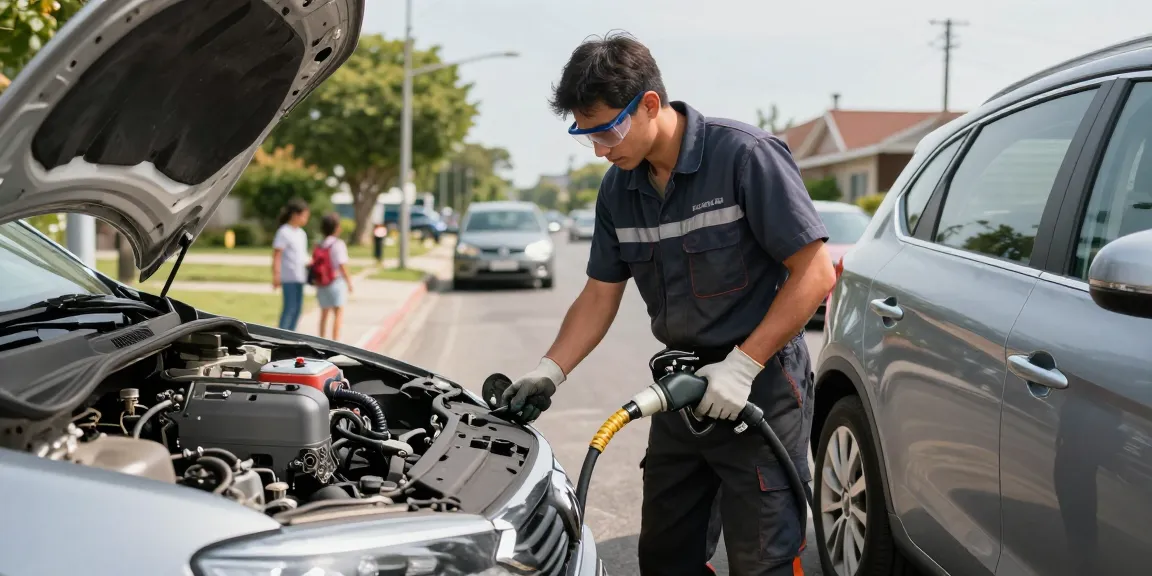
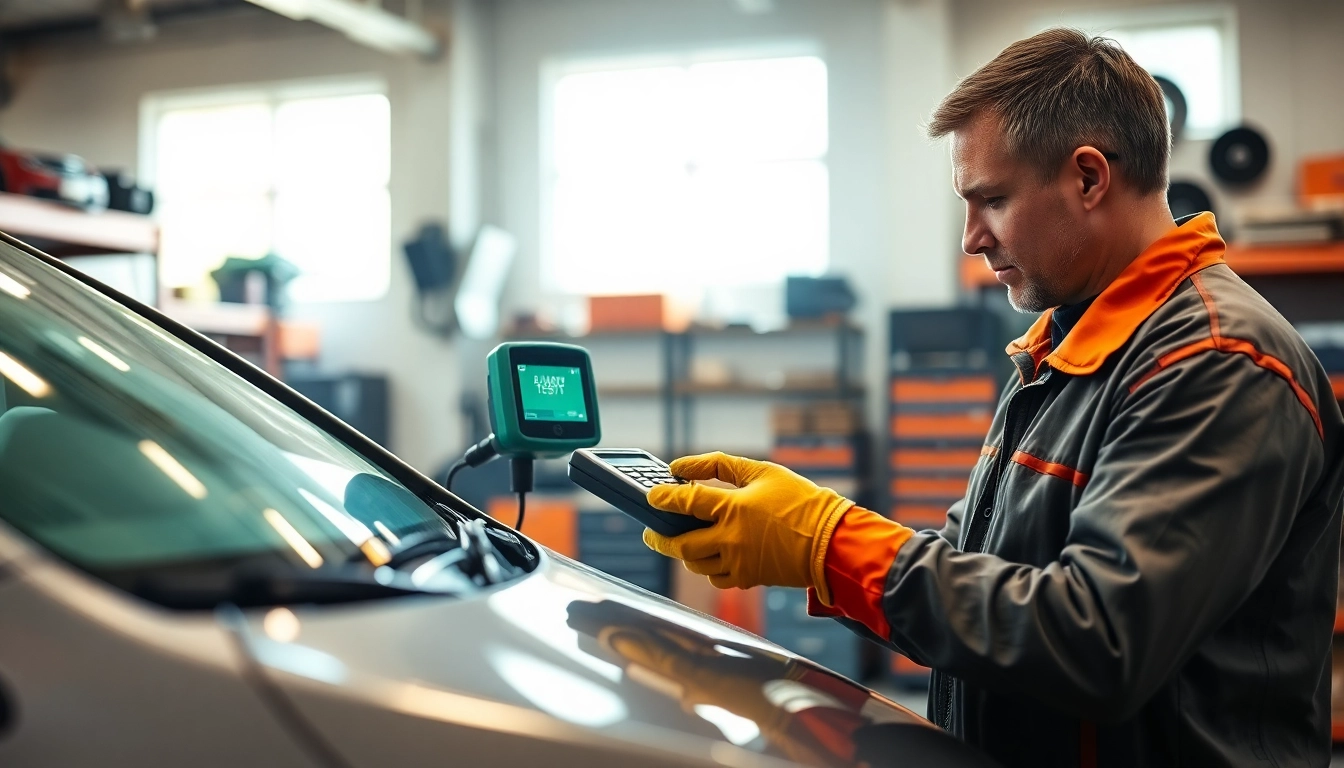
During a smog test, vehicles undergo multiple assessments to determine the levels of various emissions. These tests typically include:
- Visual Inspection: Inspecting the vehicle’s emissions control systems for any visual defects.
- Functional Tests: Checking the functionality of components such as the catalytic converter and the exhaust gas recirculation system.
- On-Board Diagnostics Check: For vehicles manufactured after 1996, the test reads data from the vehicle's onboard computer to check for issues.
- Tailpipe Emissions Test: Measuring the concentration of pollutants in exhaust gases.
Importance of Smog Testing
Smog testing plays a crucial role in promoting public health and environmental sustainability. By ensuring that vehicles comply with emission standards, smog tests help reduce harmful pollutants like nitrogen oxides, carbon monoxide, and hydrocarbons. This contributes to improved air quality and overall public health, as well as compliance with legal standards, ultimately avoiding potential fines for vehicle owners.
When is a Smog Test Required?
Age and Type of Vehicle
The requirements for a smog test typically depend on the age and type of vehicle. Generally, newer vehicles may be exempt from testing for the first few years following their purchase, while older vehicles often require regular testing. For instance, vehicles over a certain age, typically older than 15 years, may be required to take a smog test annually.
State-Specific Regulations
Different states have diverse regulations regarding smog testing. While some states require comprehensive tests every two years, others may implement a more lenient approach or even eliminate the requirement altogether. It's important for vehicle owners to check their specific state guidelines through local DMV or environmental agency websites to ensure compliance.
Common Exemptions
There are various exemptions that may allow a vehicle to bypass smog testing, such as:
- Vehicles that are less than a specified age (often five to seven years).
- Electric vehicles or hybrids that are recognized for having lower emissions.
- Classic or antique cars that meet specific age and condition criteria.
Preparing for Your Smog Test
Checklist Before Testing
Preparation is key to ensuring a successful smog test. Here is a checklist of actions vehicle owners can take before scheduling their smog test:
- Check the vehicle’s oil level and change it if necessary.
- Ensure that the gas cap is secure and not damaged.
- Examine the exhaust system for leaks or damage.
- Ensure that the check engine light is not illuminated.
- Inspect other key elements like spark plugs and filters that affect emissions.
Understanding Common Issues
Being informed about common issues that can lead to smog test failures will help vehicle owners avoid unnecessary repairs. Issues often found include:
- Malfunctioning oxygen sensors, leading to improper fuel mixture.
- Worn-out catalytic converters that fail to convert pollutants effectively.
- Exhaust leaks that cause an increase in harmful emissions.
Routine Maintenance Tips
Performing routine maintenance on a vehicle can greatly reduce the chances of failing a smog test. Recommended practices include:
- Regularly changing the oil and using the correct oil type.
- Periodically replacing air filters to ensure optimal engine performance.
- Keeping the vehicle tuned up to manufacturer specifications.
- Regularly inspecting and maintaining the exhaust system.
Cost Factors for a Smog Test
Average Costs by Region
The cost of a smog test can vary widely depending on the region and the specific testing requirements. Typically, prices can range from $20 to $60. For example, urban areas with higher demand for smog testing may incur higher prices compared to rural areas. Additionally, factors such as the type of vehicle and the specific tests required can influence the final cost.
Additional Fees Explained
In addition to standard testing fees, vehicle owners should be aware of potential extra charges. Common additional fees may include:
- Fees for retesting if the vehicle fails the initial test.
- Costs associated with necessary repairs to bring the vehicle into compliance.
- Service fees for chosen testing locations.
Potential Discounts and Offers
Some smog testing facilities offer discounts or promotional deals to attract customers. To take advantage of these savings, vehicle owners should seek out local offers, often advertised online or through community bulletins. Additionally, opting for services bundled with other automotive maintenance can result in reduced overall costs.
Frequently Asked Questions about Smog Tests
What happens if I fail my Smog Test?
If a vehicle fails the smog test, the owner will receive a report detailing the failure reasons and required repairs. The vehicle must be repaired and retested to pass compliance.
How often do I need to get a Smog Test?
Smog test frequency varies by state and vehicle age, but typically ranges from annually to every two years for older vehicles.
Can I do a Smog Test myself?
While some basic checks and maintenance can be performed by vehicle owners, an official Smog Test requires specialized equipment and certification that only licensed mechanics possess.
What is measured during a Smog Test?
A smog test measures various pollutants in the exhaust, including nitrogen oxides, carbon monoxide, and hydrocarbons, to assess compliance with environmental standards.