What is Derailment?
Definition and Overview
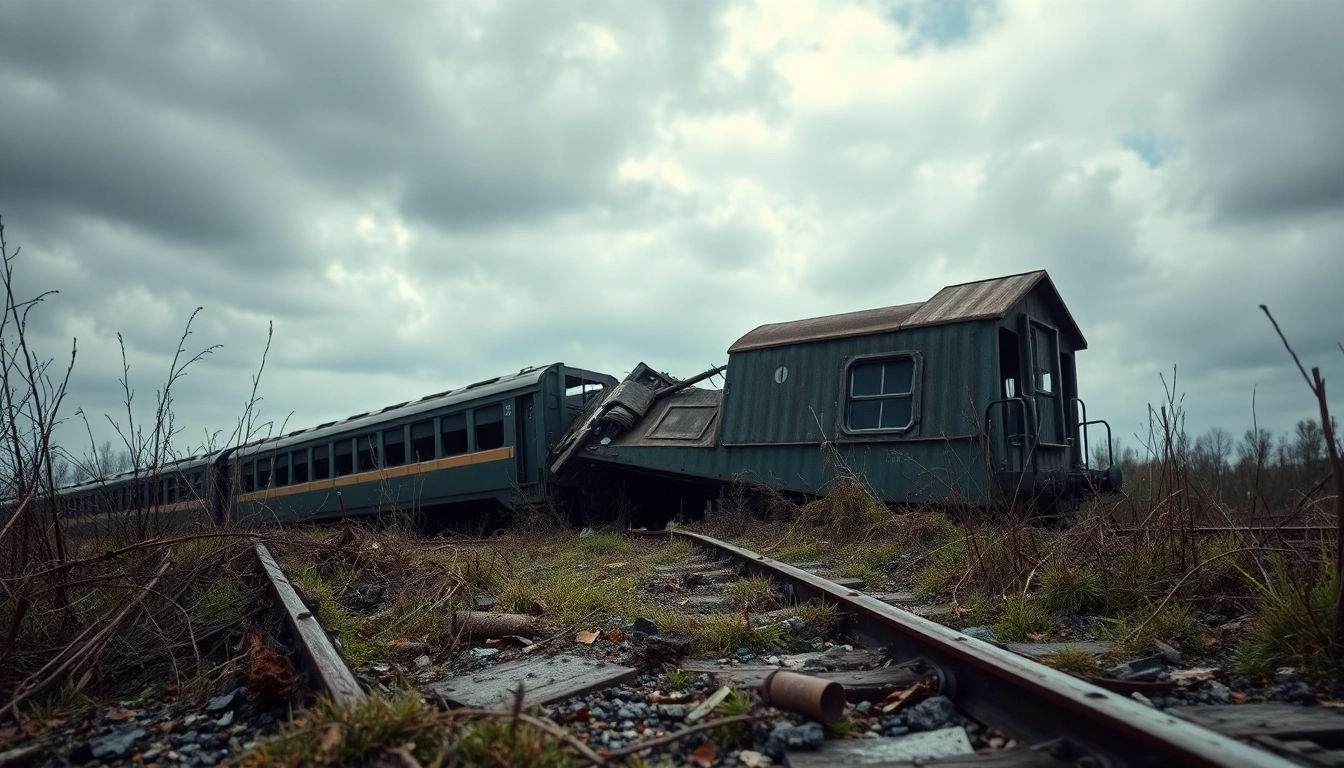
Derailment refers to the incident where a train leaves its tracks, which can result in extensive damage, service disruptions, and potential harm to passengers and crew. This phenomenon not only threatens the integrity of the rail system but also poses significant safety hazards. Various factors contribute to derailments, making it a complex issue requiring thorough understanding and proactive strategies. For more information on mitigating derailment risks, explore Derailment strategies.
Common Types of Derailment
Derailments can be categorized in several ways, including:
- Vehicle Derailment: Involves individual train cars coming off the rails, often due to track conditions or mechanical failures.
- Complete Derailment: Where an entire train or a significant portion derails, often leading to major accidents.
- Partial Derailment: One or more cars may derail while the rest of the train remains on the tracks.
Factors Leading to Derailment
Multiple factors can lead to derailments, ranging from human errors to mechanical issues. Some common contributors include:
- Human error or negligence, including improper signaling or speed violations.
- Track defects, such as misalignment, broken rails, or inadequate maintenance.
- Mechanical failures, often related to the locomotive or freight cars.
- Environmental factors, like severe weather conditions, flooding, or landslides.
Causes of Derailment
Human Factors in Derailment
Human error remains a significant factor contributing to derailments. This can include poor communication among crew members, failure to adhere to safety protocols, and fatigue. Studies indicate that a lack of adequate training and supervision also plays a notable role. Mitigating these risks requires robust training programs and comprehensive incident reporting systems to improve accountability and understanding of operational procedures.
Track and Equipment Issues
Track-related issues account for a substantial percentage of derailments. Inadequate maintenance can lead to track deformation, while equipment failure can contribute to accidents. Inspection protocols should cover both physical and technological aspects, ensuring that tracks and trains are regularly assessed for safety and operational integrity. Utilizing advanced diagnostic technology can also enhance the precision of this maintenance process.
Environmental Influences
Environmental conditions, such as extreme weather patterns or natural disasters, pose significant risks. Flooding can lead to track washouts, while heavy snow can affect train operations. Rail networks must develop adaptive strategies to minimize risks from environmental factors, including the installation of preventative measures like drainage systems and monitoring tools to assess the condition of tracks during adverse weather.
Impacts of Derailment
Economic Consequences
Derailments have far-reaching economic implications. They can cause significant delays, leading to increased operational costs and loss of revenue for rail companies. Additionally, the repercussions extend to suppliers and consumers reliant on cargo transport, resulting in a cascading effect throughout the economy. Evaluating the financial impact of derailments can guide investments in more effective preventative measures.
Environmental Repercussions
Derailments can result in hazardous material spills, contaminating local ecosystems. The environmental damage from such incidents can lead to extensive clean-up operations and long-term ecological harm. Regulatory compliance and environmental protection regulations require rail operators to prepare for possible environmental crises arising from derailments and have explicit plans in place to address potential spills and damage.
Safety and Injuries
The most critical impact of derailments is the potential for injury or loss of life. Safety must be the primary focus for rail operations; thorough accident investigations are vital to uncovering risks and improving safety protocols. Implementing safety management systems can significantly reduce the likelihood of injuries by establishing a culture of operational safety among rail workers.
Prevention Strategies for Derailment
Regular Maintenance Protocols
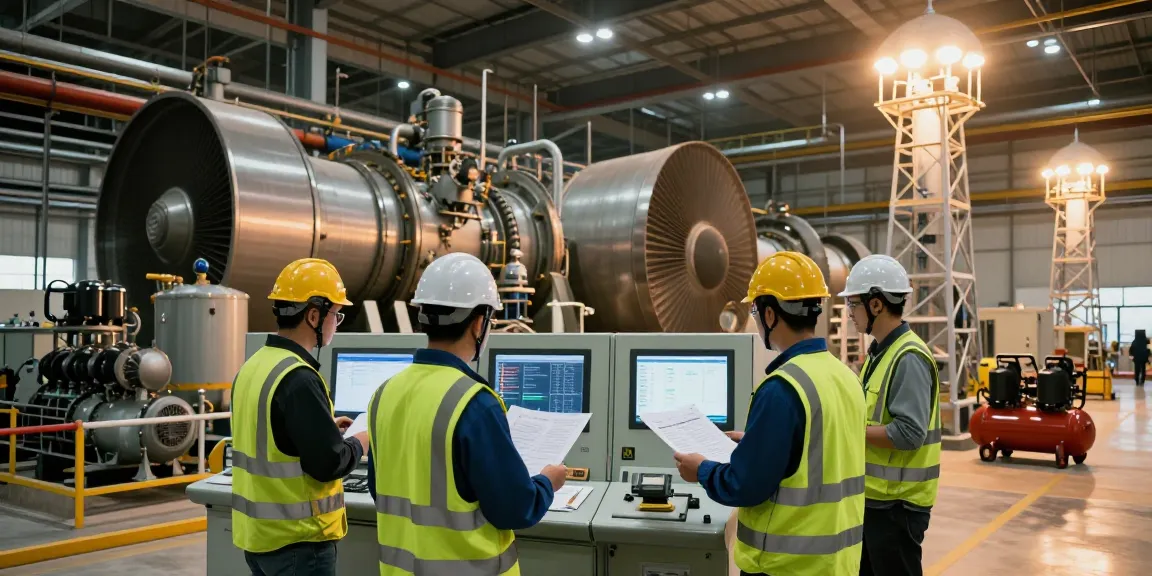
Adopting systematic maintenance protocols is essential for reducing the risk of derailments. This includes establishing a routine inspection schedule for tracks and rolling stock, utilizing checklists and comprehensive record-keeping to track maintenance history. Regular training for maintenance personnel can also enhance awareness of the latest safety standards and technological advancements.
Technology and Innovation
Investing in technology can greatly enhance safety efforts. Technologies such as automated track inspection systems, remote monitoring, and predictive analytics can improve the reliability of rail systems. Moreover, incorporating train control and safety technologies, such as positive train control systems, can significantly mitigate human error and enhance overall safety.
Crisis Management Plans
Developing effective crisis management plans is vital for minimizing impacts when derailments occur. Plans should include procedures for immediate response, communication strategies, and coordination with emergency responders. Regular drills and scenario training can prepare rail personnel to act swiftly and effectively when emergencies arise, thereby reducing the severity of incidents.
FAQs about Derailment
What is a derailment?
A derailment occurs when a train leaves its tracks, often caused by various factors including human error and equipment failure.
What are the common causes of derailment?
Key causes include track defects, mechanical issues, environmental conditions, and human operational errors.
How does derailment affect train services?
Derailments lead to service interruptions, financial losses, and potential injuries, highlighting the need for preventive measures.
What steps can be taken to prevent derailment?
Preventive steps include thorough track inspections, timely equipment maintenance, and the use of modern technology for monitoring.
Are there environmental impacts from derailment?
Yes, derailments can result in spills of hazardous materials, affecting local ecosystems and requiring extensive clean-up efforts.