Introduction to lp records
The resurgence of lp records in recent years has not only revolutionized the music industry but also transformed the way we experience music. These unique analog mediums have captivated both seasoned collectors and a new generation of listeners, creating a vibrant community that appreciates their rich sound, artistry, and nostalgia. In this extensive guide, we delve into the fascinating world of lp records, exploring their technical aspects, historical significance, current renaissance, and future outlook.
What are lp records?
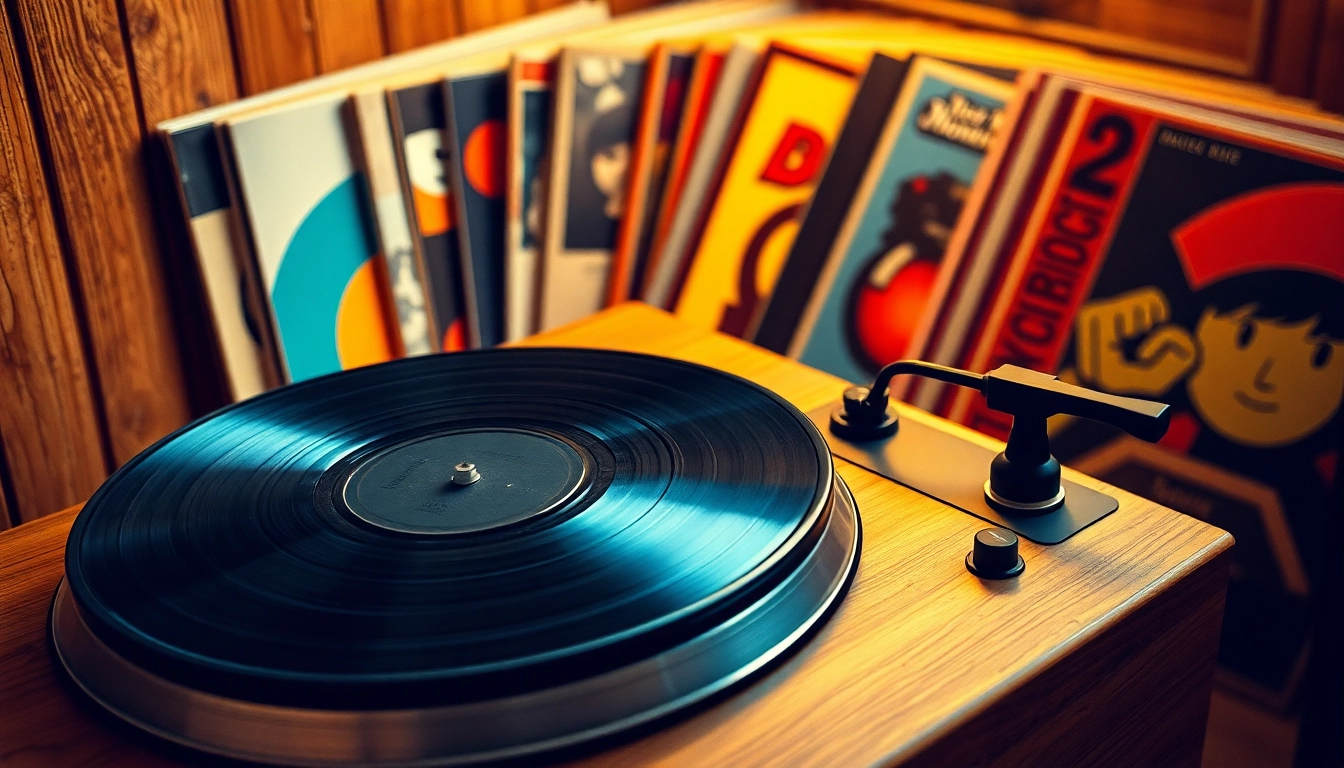
At their core, lp records, or long-playing records, are vinyl records that store music analogously. Designed primarily for playback on turntables, these records usually have a diameter of 12 inches and spin at a speed of 33 1/3 revolutions per minute (rpm). The term "long-playing" signifies their ability to hold significantly more music than their predecessor, the 78 RPM records, allowing for up to 30 minutes of sound per side. Each lp record contains grooves that are carved into the vinyl, with the needle of a turntable reading these grooves to reproduce audio. This analog method of sound reproduction contributes to the warmer, richer sound that many enthusiasts cherish.
The technical aspects of lp records
Understanding the technical details of lp records enhances one's appreciation of their charm and appeal. Key components of lp records include:
- Material: lp records are primarily made of polyvinyl chloride (PVC), known for its durability and ability to produce high-quality sound.
- Grooves: The grooves on the lp record are intricately designed, enabling the needle to track vibrations accurately. These grooves are inscribed with minute variations in depth and width that correspond to the sound waves of the recorded audio.
- Playback Equipment: The quality of sound reproduction heavily relies on the turntable, tonearm, cartridge, and stylus (needle). High-end setups can dramatically improve audio fidelity, appealing to audiophiles.
- Recording Techniques: Various recording techniques, including analog mastering, can significantly impact the sound quality of lp records. Many artists and producers prefer to record and master specifically for vinyl to harness its unique sound characteristics.
History and evolution of lp records
The history of lp records is a rich tapestry woven through technological advancements and shifts in cultural landscape. They were first introduced in the late 1940s, marking a substantial improvement over previous record formats.
From the initial competition with 78 RPM records to the adoption of lp records in mainstream music, significant events include:
- Introduction in 1948: Columbia Records pioneered the 33 1/3 RPM lp record, which revolutionized how albums were produced and consumed.
- 1960s Popularity Surge: With the rise of rock and pop music, lp records became a cultural phenomenon, embodying the artistic expressions of various artists and genres during that era.
- Decline in the 1980s: The advent of cassette tapes and CDs led to a decline in lp record sales, as digital formats offered convenience.
- Resurgence in the 2000s: Interest in lp records resurfaced, driven by nostalgia, a desire for superior sound quality, and an appreciation for artwork and packaging.
The Resurgence of lp records
The return of lp records is not merely a fleeting trend, but a substantial movement informed by various factors, trends, and consumer behaviors. Understanding what catalyzed this renaissance is crucial for industry players and music lovers alike.
Factors contributing to the popularity of lp records
Several factors are contributing to the revival of lp records:
- Authenticity: In an age of downloads and streaming, many listeners yearn for a tangible connection to music. lp records offer a physical product that resonates with collectors.
- Nostalgia: Many consumers associate lp records with cherished memories, prompting them to revisit their youth by listening to the music they love on vinyl.
- Superior Sound Quality: Audiophiles argue that the sound quality of lp records surpasses digital formats, providing a warm, rich, and dynamic audio experience.
- Artwork and Packaging: The large format of lp records allows for intricate and engaging album art and packaging, enhancing the overall experience of owning and listening to a record.
- Support for Artists: Purchasing lp records allows listeners to directly support their favorite artists, particularly independent musicians who rely on physical sales.
Who is buying lp records?
The demographics of lp record buyers are diverse and varied. Key groups include:
- Older Generations: Baby Boomers and Gen X who grew up with vinyl are returning to the format, often purchasing classic albums from their youth.
- Millennials: This generation is heavily involved in the resurgence due to their appreciation of the tactile nature of records and the nostalgia for analog formats.
- Gen Z: Surprisingly, younger consumers are also embracing vinyl, often driven by trends in social media and a desire to stand out in their music consumption.
Collecting trends: What to look for in lp records
As more consumers turn to lp records, collecting them has become both a hobby and an investment. For collectors, recognizing what makes a valuable lp is essential:
- First Pressings: Collectors often seek first pressings of albums, which are the original versions released at the time of the album’s debut.
- Condition: The physical condition of the record and sleeve significantly affects value; well-maintained items command higher prices.
- Limited Editions: Special releases, color variants, or albums produced in a limited number can be particularly sought after.
- Iconic Albums: Some albums, such as classics from The Beatles or Pink Floyd, are as valuable due to their cultural significance as their rarity.
How to Start Your lp records Collection
For those looking to dive into the world of lp records, the journey can be both exciting and rewarding. Here are steps to start building a meaningful collection.
Essential equipment for playing lp records
To fully enjoy the sound of lp records, it's crucial to have the right equipment. Here are the essential components:
- Turntable: A high-quality turntable is fundamental. Look for models with adjustable speed settings and well-built platters.
- Cartridge and Stylus: The cartridge is critical for sound quality. Spend some time researching cartridges that suit your audio preferences.
- Amplifier: An amplifier boosts the signal from the turntable. Nearly all systems will benefit from a dedicated phono preamp for optimal sound.
- Speakers: Good speakers are crucial for accurately reproducing the audio quality of lp records. Consider bookshelf or floor-standing models based on your space.
Finding the best lp records at stores and online
Locating quality lp records can be an adventure. Possibilities include:
- Local Record Shops: Visiting local record shops allows for the discovery of unique finds and provides opportunities to connect with other enthusiasts.
- Online Retailers: Many online stores offer vast selections of both new and used lp records, catering to various tastes and preferences.
- Record Fairs: Attending record fairs can prove fruitful, allowing collectors to browse massive collections all in one place and meet sellers face-to-face.
- Secondhand Stores: Thrift shops and flea markets can yield hidden gems for those willing to search.
Caring for your lp records: Best practices
To ensure that your lp records last a lifetime, proper care is essential:
- Cleaning: Regularly clean your records with a record brush and, when necessary, a cleaning solution to prevent dust buildup and scratches.
- Storage: Store records vertically in a climate-controlled environment to avoid warping and bending.
- Handling: Always handle records by the edges to avoid fingerprints and transfer of oils from your hands.
- Protective Sleeves: Use inner and outer protective sleeves to shield records from dust and environmental damage.
The Impact of lp records on Modern Music Culture
The influence of lp records extends beyond mere audio playback; they play a significant role in shaping modern music culture.
Vinyl records in contemporary music releases
Today, many artists consciously choose to release their music on lp records, recognizing their value in enhancing the listener's experience. New releases frequently include vibrant artwork, limited editions, and unique features, catering to collectors and casual listeners alike.
The artistry of album covers and packaging
lp records are renowned not just for their music but also for their stunning artwork. The larger canvas allows for impressive visual storytelling through album covers and packaging. Many artists collaborate with visual artists to create concept-driven art that enhances their music's message and aesthetic.
Hosting a listening party for lp records
Listening to lp records has evolved into social events, with listening parties gaining popularity. These gatherings not only foster community and connection but also allow participants to engage with music on a deeper level. Here are some tips for hosting a successful listening party:
- Select a Theme: Choose an artist, genre, or specific album to center the party around to create a cohesive vibe.
- Provide Refreshments: Offering snacks and drinks adds an enjoyable touch to the experience.
- Encourage Engagement: Allow guests to share their thoughts and experiences related to the music being played.
Future of lp records in the Digital Age
The future of lp records is poised for exciting developments, particularly in balancing analog and digital experiences.
Balancing digital and analog music experiences
As streaming remains dominant, many argue that physical formats like lp records serve as a counterbalance. Music lovers are increasingly embracing hybrid listening experiences. Many currently seek the convenience of digital music while also enjoying the tactile and auditory pleasures of vinyl.
Innovations in lp records production
Advancements in production techniques will likely continue influencing the lp record industry. Innovations in vinyl manufacturing processes, such as using recycled materials and improving sound quality, are paving the way for a greener and more efficient future.
The sustainability of lp records compared to digital formats
While digital formats are often touted for their lower environmental impact, the production of lp records is increasingly focusing on sustainability. Some manufacturers are opting for eco-friendly materials and practices, potentially making lp records a sustainable choice for music enthusiasts concerned about their ecological footprint.