Introduction to Structural Steel Installation
Structural steel installation is a critical process in the construction industry that involves the assembly, placement, and connection of steel structures. Companies and contractors specializing in this area require not only skillful techniques but also adherence to safety standards and quality practices. Understanding the nuances of structural steel installation helps professionals create sturdy, reliable frameworks across various applications.
Understanding Structural Steel
Structural steel refers to steel construction materials produced with a specific shape and chemical composition for use in building and infrastructure. Its properties include high strength-to-weight ratios, versatility, and durability. Common shapes include I-beams, channels, angles, and plates. The ability to resist tensile and compressive forces makes structural steel a preferred choice for a variety of constructions, including high-rise buildings, bridges, and industrial structures.
The Importance of Quality Installation
Quality installation of structural steel is paramount for the safety and longevity of any construction project. Poor installation can lead to structural failures, resulting in costly repairs and potential injuries. Adhering to rigorous standards throughout the installation process ensures that structures perform as intended under various load conditions. It also plays a crucial role in reducing maintenance costs and increasing energy efficiency over a structure's lifetime.
Applications Across Industries
Structural steel finds applications across multiple industries, including commercial, residential, and industrial sectors. In commercial buildings, it’s widely used for skeleton frameworks, allowing for open, flexible floor plans. In residential construction, it is utilized for framing and roofing. Industrial installations often include large warehouses, manufacturing plants, and shipyards, where heavy-duty structures are necessary to accommodate heavy equipment and machinery. The versatility of structural steel continues to foster innovation in design and construction methods.
Planning Your Structural Steel Installation
Thorough planning is essential for any successful structural steel installation. Proper assessment, material selection, and design considerations can save time and resources, ultimately leading to a smoother installation process.
Site Assessment and Preparation
Before any installation begins, a detailed site assessment is crucial. This includes analyzing soil conditions, existing structures, and utility locations. Ground stability and load-bearing capacity must be understood to determine if any remedial work is needed. Preparing the site involves clearing debris, leveling the ground, and establishing site boundaries to ensure compliance with regulations and create a safe working environment.
Choosing the Right Materials
Selecting the appropriate grade and type of structural steel is fundamental. Various grades differ in tensile strength, ductility, and weldability. Working with suppliers to understand the specifications and availability of materials is critical. Additionally, considering the environmental impact of sourcing materials and opting for sustainable options wherever possible can enhance the overall sustainability of the project.
Design Considerations and Compliance
Design plans must adhere to local building codes and regulations, which dictate specifications for structural integrity, safety, and environmental compliance. Collaborating with architects and engineers ensures that design meets functional requirements while facilitating seamless integration of all components. Utilizing advanced modeling software aids visualization and helps identify potential issues before physical installation begins.
Techniques for Effective Structural Steel Installation
Efficient techniques in structural steel installation hinge on skilled labor, the right tools, and a solid strategy. Knowing best practices helps avoid common pitfalls and ensures a smoother workflow.
Best Practices for Handling Steel Beams
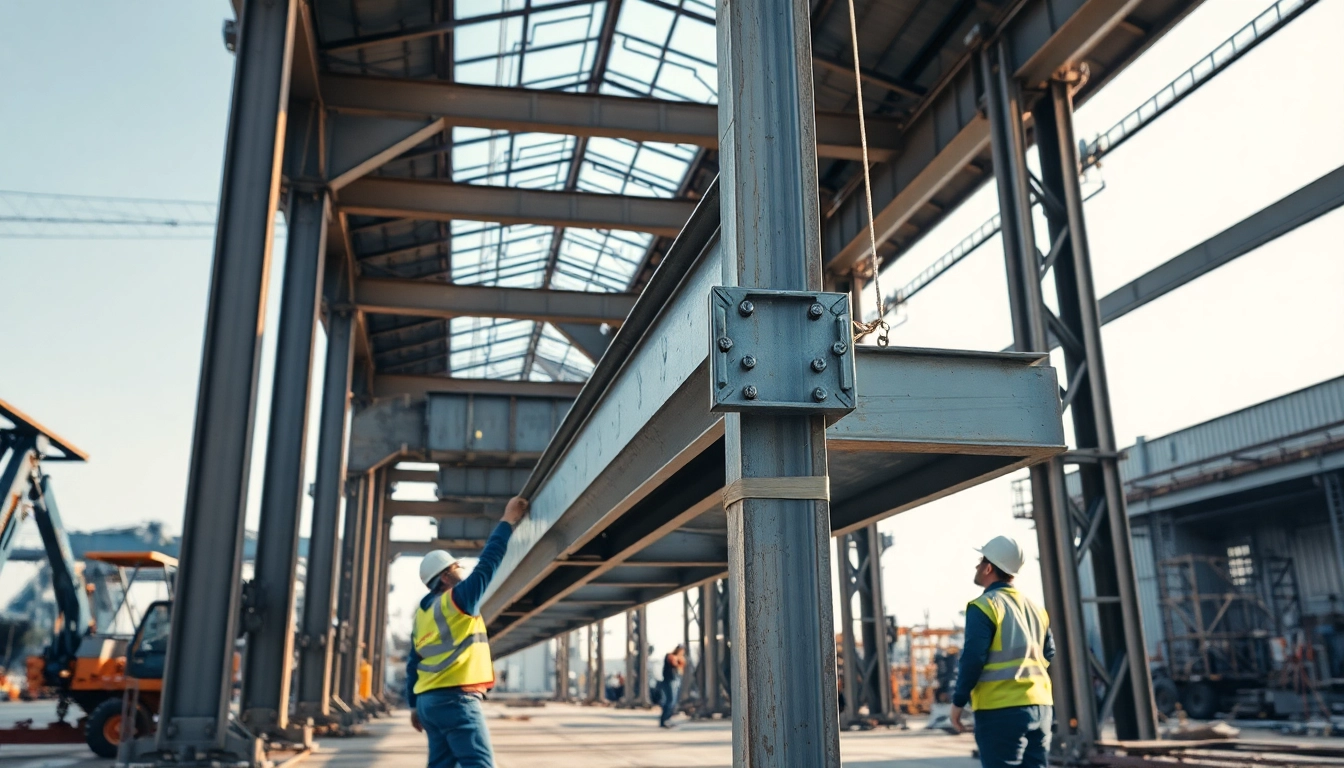
Handling steel beams requires precision and care. Proper lifting techniques using cranes and hoists minimize injuries and structural damage. Workers should be trained in securing beams with rigging equipment to ensure stability during placement. Coordination among the installation team is crucial to align and connect pieces accurately. Employing systematic procedures for the placement helps maintain an efficient sequence of installation, facilitating speed without sacrificing safety.
Tools and Equipment Essential for Installation
Various tools and equipment are vital during the installation of structural steel, including cranes, hoists, rigging tools, and welding machines. Each tool has a specific function that, when used correctly, enhances safety and efficiency. Equipment must be maintained regularly to ensure reliability, and operators should hold the appropriate certifications for heavy machinery. A well-equipped site allows for adaptability in addressing varying project requirements.
Safety Protocols to Follow
Safety is non-negotiable in structural steel installation. Workers must wear appropriate personal protective equipment (PPE), such as hard hats, gloves, and steel-toed boots. Safety briefings before shifts, ongoing training, and periodic audits of safety practices help reinforce a safety-first culture. Additionally, having a clear emergency response plan contributes to a secure working environment, which ultimately promotes productivity and well-being on the job site.
Challenges in Structural Steel Installation
Despite careful planning, various challenges can arise during structural steel installation. Being aware of these challenges and having strategies for mitigation can vastly improve outcomes.
Common Issues Faced During Installation
Common issues during installation may include misalignment of steel components, welding defects, and adverse weather conditions. Misalignment can lead to structural insecurity, necessitating time-consuming adjustments. Welding quality directly impacts the integrity of connections, and environmental factors can introduce delays or safety hazards. Understanding these risks beforehand allows teams to be proactive.
Mitigation Strategies
To mitigate the aforementioned issues, adopting rigorous inspection processes at every stage is effective. Implement quality control measures to assess alignment and welding integrity. Establishing schedules that account for weather variations can also aid in minimizing downtime. Regular communication among team members facilitates quicker resolution of emerging challenges, ensuring that the project remains on track.
Real-World Case Studies
Analyzing real-world case studies underscores the significance of robust planning and execution in overcoming challenges. For instance, a project involving the construction of a multi-story commercial building faced severe weather interruptions. By incorporating weather forecasts and flexible timelines into their project plan, the installation team managed to adjust work schedules effectively, preserving both safety and efficiency. These practical examples illustrate how anticipatory measures can yield successful outcomes.
Measuring Success in Structural Steel Installation
Success in structural steel installation can be assessed through various metrics and performance indicators. Understanding these can help in refining processes for future projects.
Performance Metrics and Standards
Performance metrics for structural steel installation may include time efficiency, cost adherence, and quality of installation. Establishing benchmarks during the planning phase allows for tracking progress. Additionally, conducting post-installation inspections and evaluations against industry standards provides insights into areas that may require improvements for future endeavors.
Long-Term Maintenance Considerations
Long-term maintenance is critical in preserving the integrity of structural steel installations. Regular inspections for signs of corrosion, wear, and structural integrity should be implemented. Creating a maintenance schedule that addresses these concerns helps ensure longevity and minimizes lifecycle costs. Employing protective coatings can also extend the lifespan of steel structures by enhancing resistance to environmental factors.
Feedback and Continuous Improvement
Gathering feedback from all stakeholders involved in structural steel installation is vital. This can include workers on-site, project managers, and clients who can provide insights into areas where improvements can be made. Conducting debriefing sessions post-installation promotes a culture of learning and adaptation, ensuring that each project is better than the last, leading to increased satisfaction and operational efficiency over time.
Frequently Asked Questions
What is structural steel installation?
Structural steel installation refers to the process of assembling and securing steel components to create a stable and durable framework for buildings and infrastructure.
Why is quality installation important?
Quality installation is crucial for the safety and longevity of structures, reducing the risk of failures and costly repairs over time.
What are the common challenges faced in installation?
Common challenges include component misalignment, welding defects, and delays due to weather conditions, all of which can be mitigated with careful planning.
What tools are essential for this process?
Essential tools include cranes, hoists, rigging tools, and welding machines, all of which facilitate safe and efficient installation.
How can long-term maintenance be ensured?
Regular inspections, creating maintenance schedules, and applying protective coatings can help in ensuring the longevity of structural steel installations.