Understanding Roosterfish Fishing Mexico
If you're seeking a thrilling angling adventure, then Roosterfish fishing Mexico should be at the top of your list. Roosterfish are iconic game fish known for their impressive fighting capabilities and distinctive appearance. In this article, we will explore the unique characteristics of Roosterfish, their seasonal patterns, and the best locations in Mexico where anglers can pursue this remarkable species.
What Makes Roosterfish Unique?
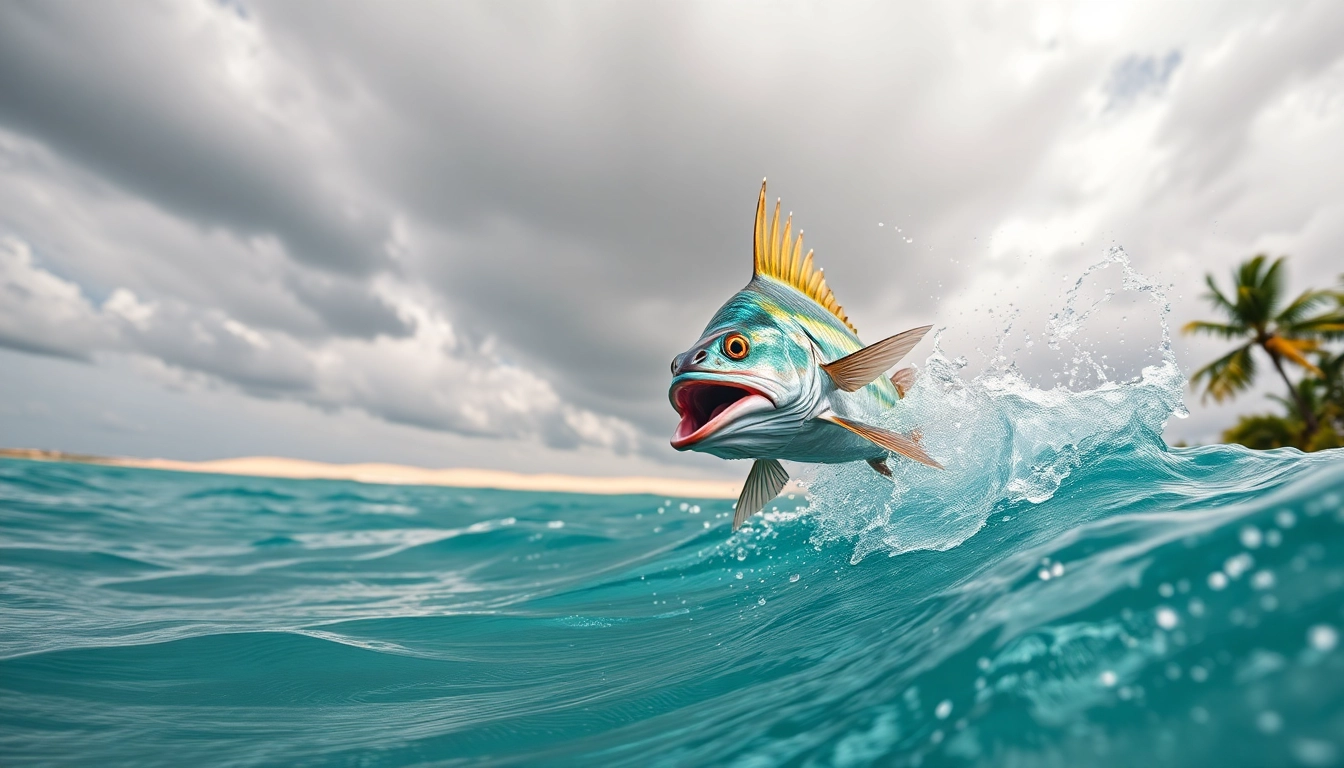
Roosterfish (Nematistius pectoralis) are distinguishable by their sleek, elongated bodies and the signature "rooster comb" of dorsal spines that fans out when they are excited or threatened. These fish can grow up to 100 pounds and reside predominantly in coastal regions of the Eastern Pacific, particularly in warm waters. What sets Roosterfish apart is not only their physical attributes but also their aggressive behavior and acrobatics when hooked, making them a prized catch for sport fishermen.
Roosterfish are primarily carnivorous, preying on smaller fish like sardines and mackerel. Their predatory nature and swift movements provide an exhilarating challenge, appealing to both novice and seasoned anglers. The thrill of witnessing their spectacular strikes and evasive maneuvers makes Roosterfish one of the most sought-after species in sport fishing. Furthermore, the significance of Roosterfish extends beyond sport – they are vital to local ecosystems, helping to maintain a balance within marine life.
Seasonal Patterns for Roosterfish
Understanding the seasonal behavior of Roosterfish is crucial for a successful fishing trip. Generally, Roosterfish can be found year-round in Mexican waters, but their activity levels shift with the seasons. The warmer months, particularly from May to September, tend to yield higher catch rates as the fish move closer to shore in search of food.
During the peak season, Roosterfish can be seen hunting in schools, making them easier to target. Conversely, during the cooler months, their activity may decrease, pushing them deeper into the ocean. Tides and weather patterns also play a significant role in their movements. Anglers often report more success during incoming tides, which enhance baitfish congregations closer to the shore. Tailoring your fishing schedule to these natural patterns can significantly increase your chances of landing this elusive fish.
Best Locations in Mexico for Roosterfish
Several locations in Mexico are renowned for Roosterfish fishing. Among the top spots are:
- Puerto Vallarta: Known for its diverse marine life, Puerto Vallarta offers numerous fishing charters targeting Roosterfish. The waters are most productive around rocky outcrops and estuaries.
- Cabo San Lucas: This renowned fishing destination features an abundance of Roosterfish, particularly along the beaches and close to the Cabo San Lucas arch. The combination of deep waters and abundant baitfish creates a perfect environment for anglers.
- La Paz: Located on the Sea of Cortez, La Paz is a lesser-known gem for Roosterfish enthusiasts. The calm waters and abundant food sources make it fertile ground for these spectacular fish.
- Yelapa: Just south of Puerto Vallarta, Yelapa is less commercialized and offers a more intimate fishing experience. Roosterfish can be caught along the coastline and in the nearby reefs.
Essential Fishing Gear for Roosterfish Fishing Mexico
Rods and Reels: Choosing the Right Equipment
Selecting the right gear is crucial when it comes to Roosterfish fishing. A medium to heavy-action rod, typically between 7 to 9 feet long, will provide the necessary leverage to combat the powerful runs of Roosterfish. Pair this with a high-quality spinning or casting reel that has a strong drag system, capable of holding at least 200-300 yards of line. This combination ensures you can handle the fight and increase your chances of landing the catch.
Fishing Lines and Lures: What Works Best?
When it comes to fishing lines, braided lines are often recommended due to their sensitivity and strength. A 50 to 80-pound test braided line is optimal for Roosterfish, allowing you to detect bites effectively while having the necessary durability to withstand their fierce pulls. In terms of lures, Roosterfish are particularly attracted to topwater lures like poppers and walking baits. Natural-looking artificial lures that mimic smaller fish can also be effective, especially when fished near bait schools.
Safety Equipment for a Successful Trip
Your safety should be a priority during any fishing adventure. Ensure you have essential safety equipment such as life jackets, first-aid kits, and emergency flares. Sunscreen, a wide-brimmed hat, and polarized sunglasses are also recommended to protect against sun exposure while enhancing your vision on the water. Lastly, ensure your fishing license and any required permits are in order to comply with local regulations.
Techniques to Hook Roosterfish Effectively
Topwater Fishing Tips for Roosterfish
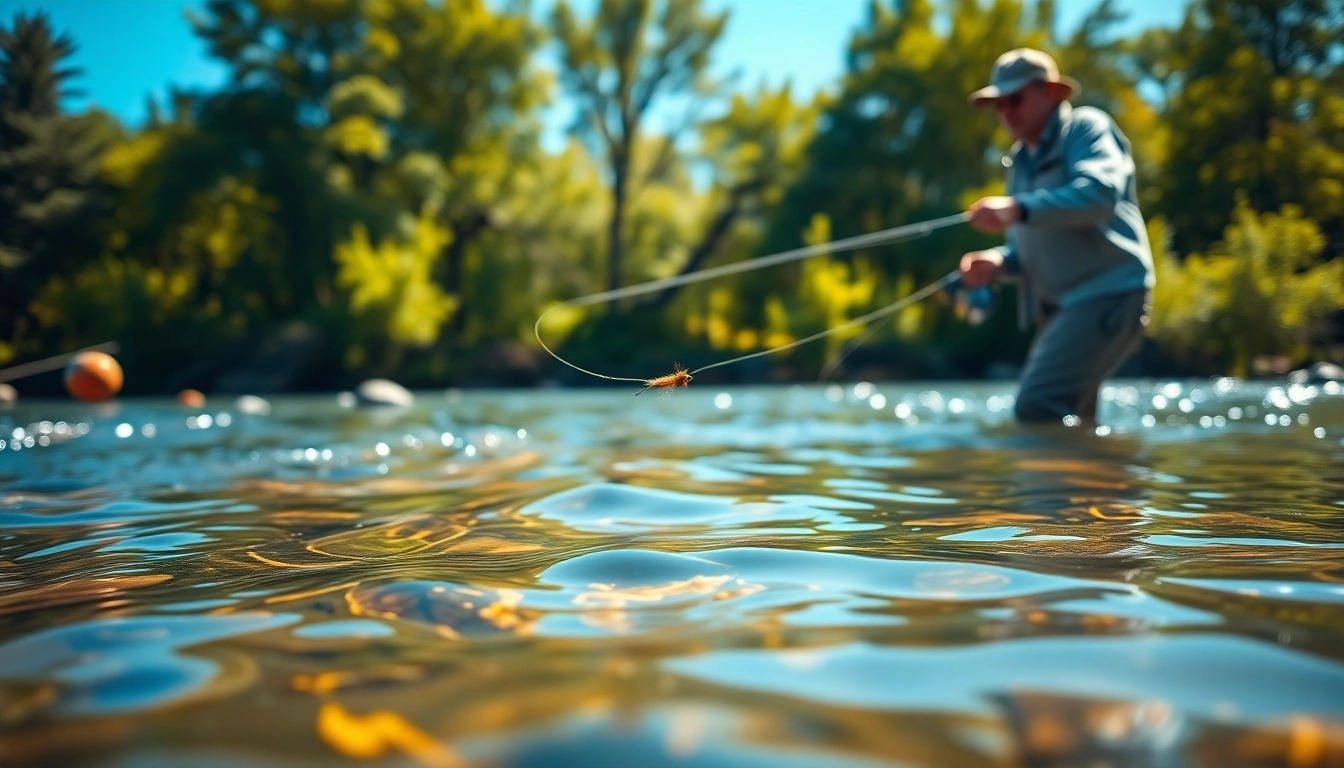
Topwater fishing is one of the most exciting ways to target Roosterfish. The adrenaline rush when a fish strikes the surface can be exhilarating. To maximize your chances, use a steady retrieval method with lures that create noise and splash, attracting Roosterfish from below. Casting near current lines, rocky structures, or schools of baitfish will typically yield better results. Keep your line tight and be prepared for explosive action.
Drift Fishing: How to Tackle Roosterfish
Drift fishing allows for a more natural presentation of bait and is particularly effective when targeting Roosterfish. Begin by locating a school of baitfish, then drift your boat nearby while using live bait or jigs that mimic the bait species. Adjust your drift speed to match the current and use a light sinker to keep your bait at the optimal depth. Watch for sudden jerks in your line, indicating a strike, and react promptly to set the hook.
Bait vs Lures: What to Use for Roosterfish Fishing Mexico
Both live bait and artificial lures have their advantages when fishing for Roosterfish. Live bait, such as mullet or sardines, is often irresistible to Roosterfish due to its natural movement and scent. On the other hand, lures can be more convenient and allow for varied presentations. Anglers may choose to alternate between both approaches based on the conditions and feeding behavior of the fish on any given day.
Conservation and Ethical Fishing Practices
Understanding Conservation Laws in Mexico
Anglers must be aware of the conservation laws governing sport fishing in Mexico to ensure sustainable practices are followed. There are regulations regarding the size and limit of Roosterfish that can be caught, and adhering to these guidelines is critical to preserving the population. Familiarize yourself with local regulations, as well as catch and release practices, to contribute to the conservation of this remarkable species.
Catch and Release Techniques for Roosterfish
Practicing catch and release is essential for maintaining healthy fish populations. When handling Roosterfish for release, minimize their exposure to air by keeping them in the water for unhooking. Use circle hooks that reduce the chance of deep hooking, and if the fish is overly fatigued, allow it to recuperate in the water before releasing it. Gently hold the fish by the tail and move it back and forth in the water to help revive it before letting it swim away.
Environmental Impact of Sport Fishing
While sport fishing brings joy and excitement, it also has an environmental impact that must not be overlooked. Waste management, habitat destruction, and overfishing can all negatively affect marine ecosystems. Anglers should practice responsible fishing by using eco-friendly gear, properly disposing of waste, and advocating for conservation initiatives to protect marine habitats for future generations.
Sharing Your Roosterfish Adventures
Documenting Your Fishing Journey
There is something unique about documenting your fishing adventures, especially when it involves amazing catches like Roosterfish. Use a combination of photographs, video, and written observations to create a compelling narrative of your experiences. Capturing the moments before and after the catch can help share the thrill of the hunt with others. Keeping a fishing journal can also enhance your skills over time by tracking successes and learning from challenges faced on the water.
Best Practices for Social Media Sharing
Social media has become a popular platform for anglers to share their fishing stories and experiences. To engage effectively, utilize high-quality images and videos, tagging relevant locations and fisheries. Share informative tips and techniques, encouraging others to participate in sustainable fishing practices. Always prioritize a respectful approach when discussing catches, especially in relation to conservation efforts.
Community Engagement: Joining Fishing Clubs
Joining fishing clubs or forums can open doors to new friendships, knowledge sharing, and fishing opportunities. It allows anglers to collaborate on conservation efforts, share experiences, and trade tips about the best locations for Roosterfish. Many clubs organize events and educational workshops, fostering a sense of community and collective passion for fishing.