Introduction to Gardening Basics
Gardening is a fulfilling endeavor that nurtures not only your garden but also provides mental and physical benefits. Whether you’re tending to a small balcony or an expansive backyard, Gardening can become an essential part of your lifestyle. Understanding the fundamentals can make your journey smoother and more productive.
Understanding Different Types of Gardening
Gardening is not a one-size-fits-all approach; various types cater to different interests, climates, and spaces. Here are some common styles:
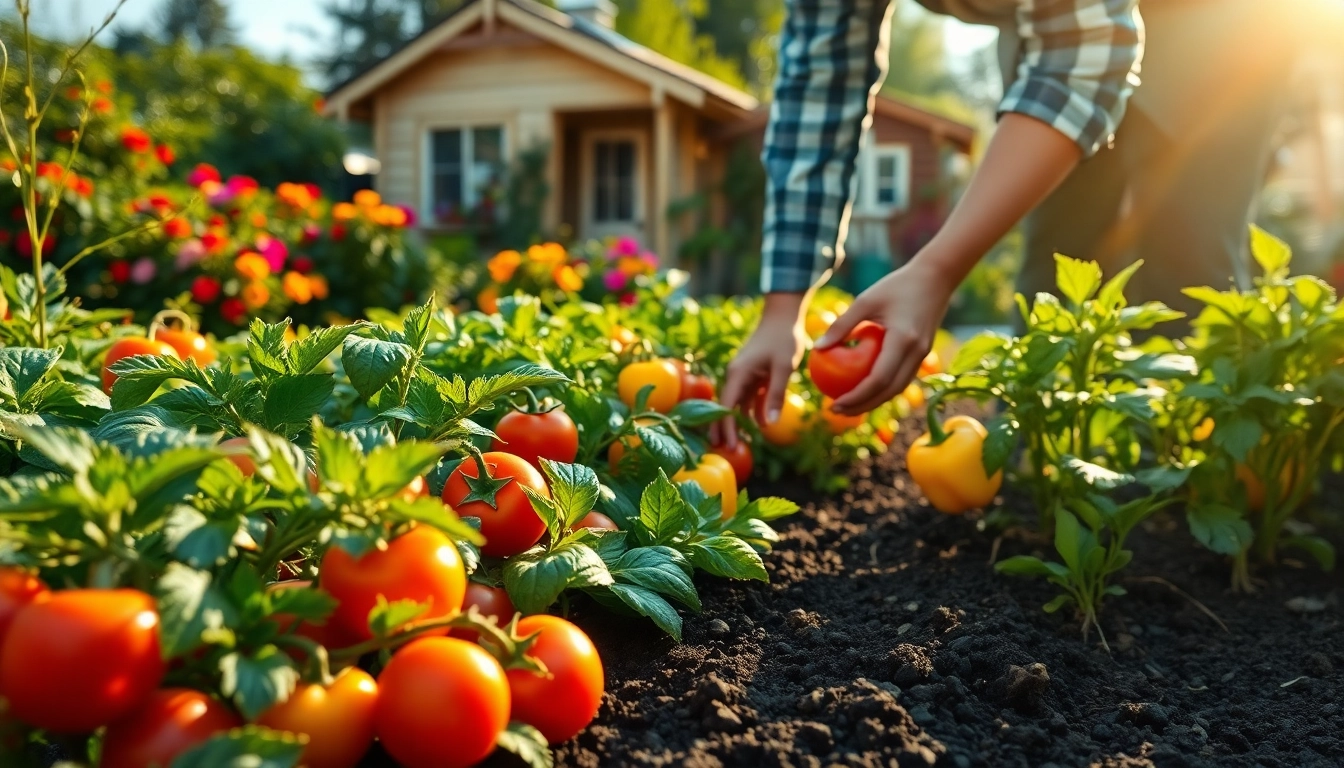
- Vegetable Gardening: Focused on growing vegetables for home consumption. It can be done in ground beds, raised gardens, or containers.
- Flower Gardening: Emphasizes cultivated flower beds, whether for their beauty or potential cuts for homes.
- Herb Gardening: A great option for those interested in culinary arts or natural remedies, offering fresh herbs for cooking.
- Container Gardening: Ideal for small spaces, this approach utilizes pots and containers to grow plants on balconies, patios, or indoors.
- Organic Gardening: Focuses on sustainable practices, avoiding synthetic fertilizers and pesticides to grow healthier plants.
Essential Tools for Gardening Success
Having the right tools can make a significant difference in your gardening efforts. Here’s a list of essential tools every gardener should have:
- Trowel: For digging small holes and transplanting seedlings.
- Pruners: Necessary for trimming and shaping plants.
- Hand Fork: Useful for loosening soil and removing weeds.
- Gloves: Protect your hands from thorns and dirt.
- Watering Can or Hose: Essential for keeping plants hydrated.
- Rake and Hoe: For soil preparation and weeding.
Finding Your Gardening Style
Your unique gardening style often reflects your personality and preferences. Here are ways to discover what suits you best:
- Consider your space: How much room do you have? Your gardening style may depend on a small balcony versus a large backyard.
- Think about your goals: Do you want to grow food, beautify your space, or both?
- Research plant choices: Look for plants that thrive in your climate and fit your gardening experience level.
Soil Preparation and Planting Techniques
Soil preparation is crucial for a successful garden. Healthy soil leads to strong plants.
Choosing the Right Soil for Your Garden
Understanding soil types and their properties can guide you in selecting the right soil for your gardening needs:
- Clay Soil: Heavy and nutrient-rich but often struggles with drainage.
- Sandy Soil: Well-draining but often lacks nutrients. It requires frequent watering.
- Silty Soil: Ideal for gardening—rich in nutrients and retains moisture well.
- Loamy Soil: A mixture of clay, sand, and silt that balances nutrient retention and drainage, perfect for most plants.
Seasonal Planting Strategies
Planting according to the seasons is essential for the success of your garden. Here are some strategies:
- Spring Planting: Ideal for annual vegetables and flowers, as the soil warms up and frost risk decreases.
- Summer Planting: Good for heat-tolerant crops, and can also be a time to start fall crops.
- Fall Planting: Perfect for planting perennial flowers, trees, and shrubs, and for preparing beds for overwintering.
- Winter Preparation: Use this time to plan next year's garden and prepare tools and resources.
Companion Planting for Better Yields
Companion planting involves growing specific plants together to enhance growth, repel pests, and improve yields. Here are some successful pairings:
- Tomatoes and Basil: Basil can help repel tomato hornworms and improve flavor.
- Carrots and Onions: They can help deter pests from each other.
- Corn, Beans, and Squash: Known as the Three Sisters, they work symbiotically by providing benefits to each other—beans fix nitrogen, corn offers support, and squash provides ground cover.
Watering and Maintenance Practices
Watering is a critical aspect of gardening that affects plant health and yield.
Effective Watering Techniques
Understanding the best watering techniques can lead your plants towards a thriving life:
- Deep Watering: Encourage roots to grow deeper by watering less frequently but more deeply.
- Morning Watering: The best time to water, allowing plants to absorb moisture before the day's heat.
- Drip Irrigation: An efficient irrigation method that delivers water directly to the roots.
Common Gardening Pests and How to Manage Them
Addressing pest problems while preserving your plants is paramount. Here are effective strategies:
- Physical Barriers: Use row covers, netting, or traps to protect plants.
- Natural Predators: Attract beneficial insects like ladybugs and lacewings to control pest populations.
- Organic Pesticides: Opt for natural options to minimize chemical use.
Regular Maintenance for Thriving Gardens
Consistent care is what differentiates a thriving garden from one that struggles:
- Weeding: Regularly remove weeds that compete for resources.
- Fertilizing: Feed your plants at the appropriate times with organic fertilizers to promote growth.
- Deadheading: Remove spent blooms to encourage more flowers.
Advanced Gardening Strategies
For those looking to enhance their gardening knowledge, here are some advanced strategies:
Organic Gardening Practices for Healthier Produce
Organic gardening focuses on sustainability and ecological balance. Here are some practices to implement:
- Crop Rotation: Prevent soil depletion and pest infestations by rotating crops each season.
- Composting: Use kitchen scraps and yard waste to create nutrient-rich compost for your garden.
- Mulching: Use organic materials to cover soil, retain moisture, and suppress weeds.
Landscape Design Principles
A well-designed garden enhances aesthetic appeal and improves functionality:
- Unity: Create harmony throughout your garden using similar colors and plant structures.
- Balance: Use symmetrical or asymmetrical designs to achieve visual equilibrium.
- Scale: Be mindful of the size of plants in relation to the garden space to avoid overcrowding.
Crop Rotation and Soil Health Improvement
Crop rotation is a vital practice for maintaining soil health. Consider these tips:
- Follow the cycle: Alternate between heavy feeders and light feeders to maintain nutrient levels.
- Diversity: Introduce a variety of plants to encourage a diverse ecosystem.
- Intermixing: Avoid plant diseases by mixing new crops with different plant families.
Harvesting and Enjoying Your Gardening Bounty
The culmination of your efforts is the harvest. Knowing when and how to gather your crops is essential for enjoyment.
Best Times to Harvest Different Crops
Babies of the soil need to be harvested at their peak for optimal flavor:
- Leafy Greens: Best harvested in the morning after the dew has dried.
- Fruits and Vegetables: Harvest during dry weather to avoid spoilage.
- Root Vegetables: Gently dig to avoid damage; generally best harvested in late summer or early fall.
Preserving and Storing Your Produce
Knowing how to properly store and preserve your vegetables and herbs maximizes their shelf life:
- Canning: Preserve the flavors of summer by canning fruits and vegetables.
- Freezing: Chop and freeze produce to enjoy later in the year.
- Drying: Herbs and certain fruits can be dried for long-term storage.
Sharing Your Gardening Success with Others
Gardening can also be a community affair. Share your bounty with friends and family or participate in local exchanges:
- Farmers Markets: Showcase and sell excess produce while connecting with the community.
- Community Gardens: Collaborate with others to expand your gardening network.
- Social Media: Share your gardening journey and insights online to inspire others.