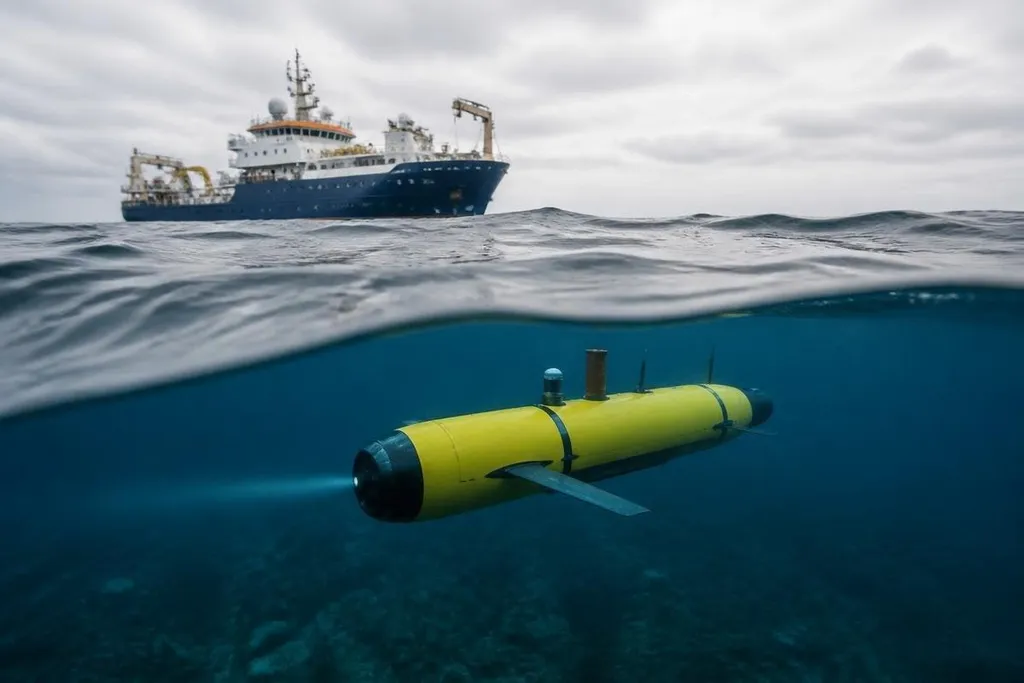
Marine robots already inspect structures, map the seafloor, collect samples, and carry cameras into places people can't safely reach. Their next job is harder: stay underwater longer, make more decisions alone, and return useful data when the connection is slow or absent.
- Autonomous underwater vehicles can follow planned routes without a live pilot.
- Remotely operated vehicles still depend on a surface ship and tether.
- Better sensors matter only when operators can act on the data.
Autonomy will move from route planning to task work
An autonomous underwater vehicle, or AUV, follows a planned route with onboard sensors and control software. Many systems can already hold a heading, adjust depth, and avoid some objects, but the next step is deciding what deserves a closer look.
That decision needs more than a camera. Sonar can map objects when water blocks the view, while an inertial measurement unit tracks motion and a Doppler velocity log measures movement against the seafloor. Together, these sensors help a robot estimate where it is and whether a target matches the mission plan.
The useful change will be task-level control. An AUV could find a damaged section of a pipeline, slow down, record extra images, and continue its route without waiting for a pilot.
That only works when the robot can tell a real fault from a loose cable, marine growth, or poor visibility.
Communication will shape what robots can do
Radio signals travel poorly through seawater, so underwater robots often rely on acoustic modems. These links can carry commands and status data, but they are slower than the connections used by surface robots.
That limit changes the design. Constant video from the seafloor can't be the main link. The robot needs to store raw data onboard, send small alerts first, and surface or return to a docking point when it has a large data set to transfer.
Remotely operated vehicles, or ROVs, take a different route. A surface vessel sends power and commands through a tether, while the ROV sends video back to the pilot. That gives the operator close control, but the tether adds drag, limits movement, and ties the mission to a ship.
Future systems will mix these approaches. An AUV may work alone for survey tasks, then meet a seabed station that charges its battery and transfers data. A tethered vehicle may handle a repair after an untethered robot finds the problem.
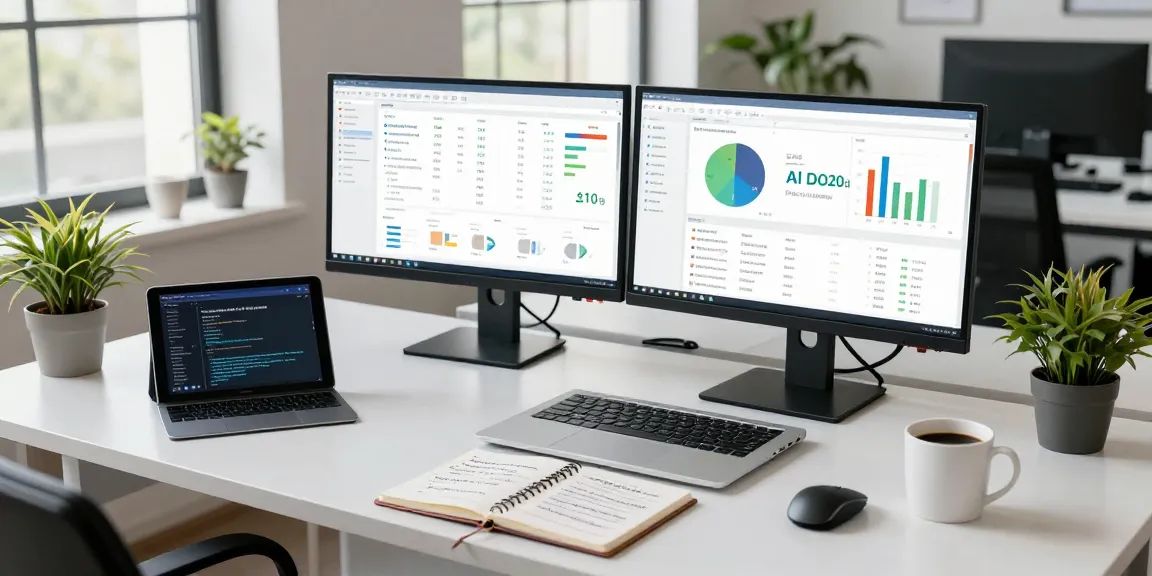
That handoff creates its own test: the vehicle must find the station, connect in moving water, and send its data before its battery runs low. Robot24 can put those trial details beside the marine robot and its task before the article turns to docking.
Docking will matter as much as swimming
Long missions need more than a larger battery. The robot must find a dock, connect without damaging its sensors, transfer data, and leave again when the next task starts.
That is difficult in moving water. The dock and robot may shift with waves, currents, and poor visibility. A usable system needs position sensors, a physical guide, and a charging connection that can tolerate repeated contact.
The payoff is clear. A robot that returns to a fixed dock can work in the same area for longer periods without a support ship visiting each time. It can also collect data on a set schedule, which makes changes easier to compare.
Manipulation will arrive more slowly
Moving through water is easier than doing useful physical work there. A robot arm must push against current, hold a tool steady, and avoid damaging the object it is handling. An ROV pilot can guide the arm, but small errors become harder to see in low light or cloudy water.
The first useful gains will likely come from narrow tasks. A robot may hold a camera at a fixed distance, turn a known valve, or place a sensor on a prepared mount. General-purpose underwater repair needs better force sensing and software that can react when the object does not match its model.
I'd back focused tools before a general underwater robot. A machine built for one inspection or sampling job has fewer decisions to make, which makes testing and safety checks easier.
A practical checklist for future missions
Before choosing a marine robot, check these points:
- Mission type: Decide if the job needs a pilot, a planned route, or local decisions underwater.
- Data link: Confirm what the acoustic modem can send and what the robot stores onboard.
- Position tracking: Check how the system estimates location when satellite signals cannot reach it.
- Recovery plan: Set out how the team will find, lift, or reconnect the robot after a fault.
- Docking needs: Ask whether the robot can charge and transfer data without a support ship.
- Tool fit: Match the arm, camera, sonar, or sampler to one defined task.
The next marine robots won't be judged by how long they can swim in a test tank. They will be judged by whether they can complete a defined job, return usable data, and come home without a ship waiting above them.