Understanding the Importance of Cleaning Your Loofah
A loofah is an essential bathing accessory for many, providing a natural exfoliating experience that rejuvenates the skin. However, while these sponges may seem harmless, they can harbor a surprising amount of bacteria and grime if not cleaned regularly. Knowing how to clean a loofah is crucial for maintaining your health and hygiene. In this article, we will delve into the reasons why cleaning your loofah is essential, as well as provide guidance on effective cleaning techniques.
Health Risks of Dirty Loofahs
Using a dirty loofah can pose various health risks. The moist and warm environment of a loofah creates an ideal breeding ground for bacteria, mold, and fungi. Research suggests that loofahs can harbor species of bacteria like Pseudomonas aeruginosa and Staphylococcus aureus, both of which can lead to skin irritations, infections, and other health issues. Regularly cleaning your loofah helps mitigate these risks, ensuring your bathing experience remains safe and enjoyable.
When to Clean Your Loofah
Determining how often to clean your loofah is key to maintaining its freshness. It's recommended to clean your loofah after every three to four uses to remove dead skin cells and bacteria accumulation. Additionally, at least once a month, a deep cleaning regimen should be established to ensure 100% hygiene. If your loofah exhibits any unusual odor, discoloration, or a slimy texture, it is a clear sign that it requires immediate cleaning.
Signs Your Loofah Needs Replacing
Knowing when to replace your loofah is just as important as cleaning it. If you notice that your loofah is fraying or falling apart, it’s time for a new one. Typically, loofahs have a lifespan of about three to four weeks, but this can vary based on usage and care. If the loofah fails to maintain its structural integrity, it can become less effective for exfoliation and more prone to bacterial growth.
Essential Tools for Cleaning a Loofah
Natural Cleaning Agents
Natural cleaning agents can effectively cleanse your loofah without introducing harmful chemicals. Vinegar and baking soda are excellent options. Vinegar, with its antibacterial properties, helps kill bacteria, while baking soda serves as a gentle exfoliant that also neutralizes odors. A simple mixture of these ingredients creates a potent cleaning solution to refresh your loofah.
Mechanical Tools to Enhance Cleanliness
While natural agents are effective, incorporating mechanical tools can further enhance cleanliness. A soft-bristle toothbrush is great for scrubbing away any trapped debris. Alternatively, using a mesh laundry bag during machine washing can prevent the loofah's fibers from breaking down while still allowing for a thorough clean.
Convenient Cleaning Solutions
If you are short on time, there are convenient cleaning solutions available. Many brands offer loofah cleaners specifically designed to kill bacteria and mold. These products can provide a quick and effective cleaning solution without the hassle of mixing your ingredients. However, it’s wise to choose biodegradable and environmentally friendly options whenever possible.
Step-by-Step Guide on How to Clean a Loofah
Basic Cleaning Process
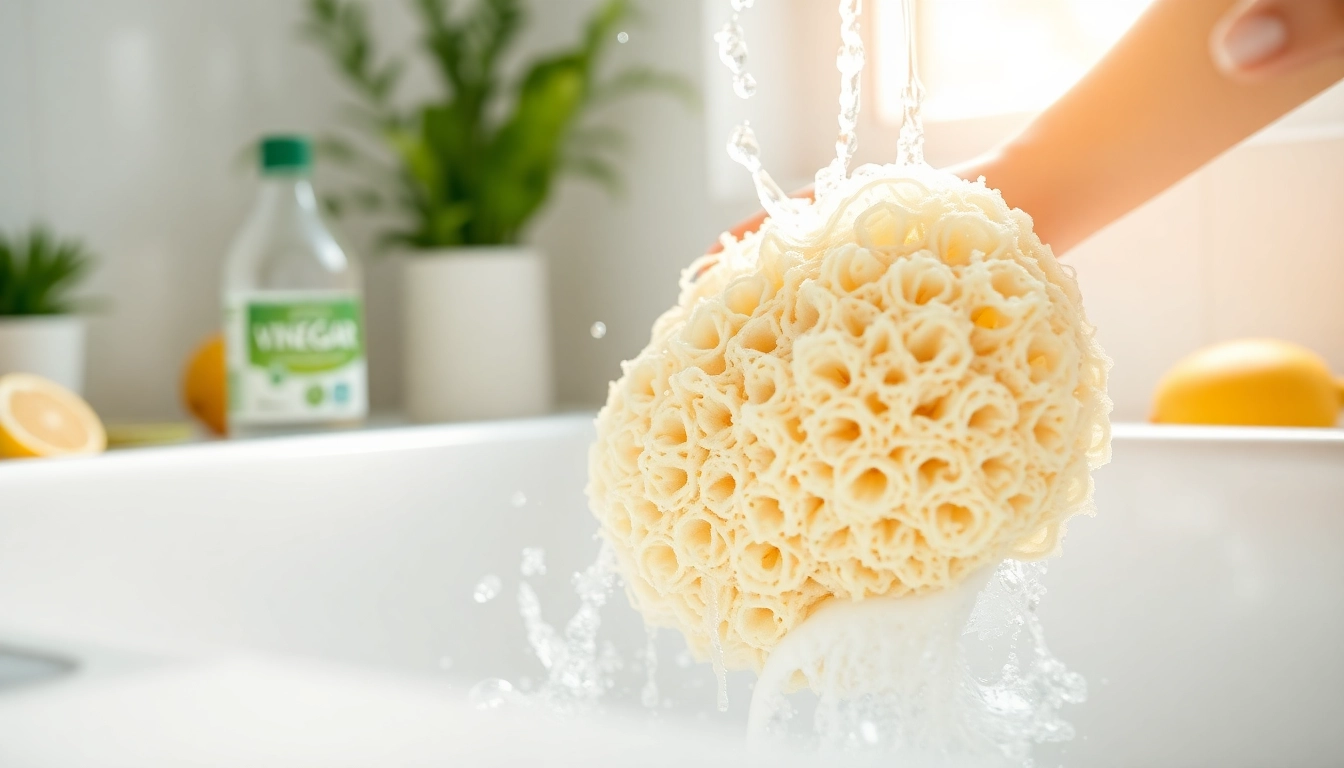
The basic cleaning process for a loofah is straightforward. Start by rinsing it under hot water to remove surface debris. Next, soak the loofah in a mixture of equal parts vinegar and water for about 10-15 minutes. After soaking, scrub it gently with a soft brush or your hands, then rinse thoroughly and squeeze out any excess water.
Deep Cleaning Techniques
For a deep clean, you might want to opt for a more robust method. Mix a cup of bleach in a gallon of water and soak the loofah for around 10 minutes. This method is particularly effective for loofahs that have begun to smell or show signs of heavy grime. After soaking, rinse thoroughly to ensure no bleach residue remains before drying it properly.
Drying Your Loofah Properly
Proper drying is critical in preventing bacteria and mold growth. After cleaning, hang your loofah in a well-ventilated area to dry completely. Avoid keeping it in closed spaces like a bathroom cabinet or shower stall, as moisture will accumulate and promote bacterial growth.
Maintaining Your Loofah's Freshness
Best Storage Practices
Storage plays a significant role in maintaining your loofah’s freshness. Store your loofah in a place that is airy and dry. Consider using a hook or a suction cup to hang your loofah in the shower, allowing it to dry between uses. This simple step can significantly reduce bacteria growth and extends the life of your loofah.
How to Sanitize Periodically
In addition to regular cleaning, sanitizing your loofah is essential. You can sanitize it weekly by soaking in a mixture of water and white vinegar for about 30 minutes or by running it through the dishwasher on a hot cycle. This process helps ensure a thorough kill of any remaining bacteria.
Tricks to Extend Life of Your Loofah
To extend the life of your loofah, avoid exposing it to extreme moisture. You can also alternate between different loofahs, allowing each one ample time to dry between uses. Keeping up with regular cleaning and sanitizing rituals is vital for longevity, as is using a gentle hand while scrubbing to avoid damaging the fibers.
FAQs About Cleaning a Loofah
How often should I clean my loofah?
You should clean your loofah every three to four uses to prevent bacteria growth and ensure hygiene.
Can I use bleach for cleaning a loofah?
Yes, you can use a bleach solution for deep cleaning; however, ensure you rinse thoroughly to avoid any residue.
Is it safe to share a loofah?
Sharing a loofah is not recommended, as it can transfer bacteria and germs between users, leading to skin issues.
Can I wash my loofah in the washing machine?
Yes, loofahs can be washed in the washing machine on a gentle cycle, preferably in a mesh laundry bag to prevent damage.
What are alternatives to loofahs?
Some alternatives include washcloths, exfoliating gloves, or silicone scrubbers, which may be easier to keep clean.