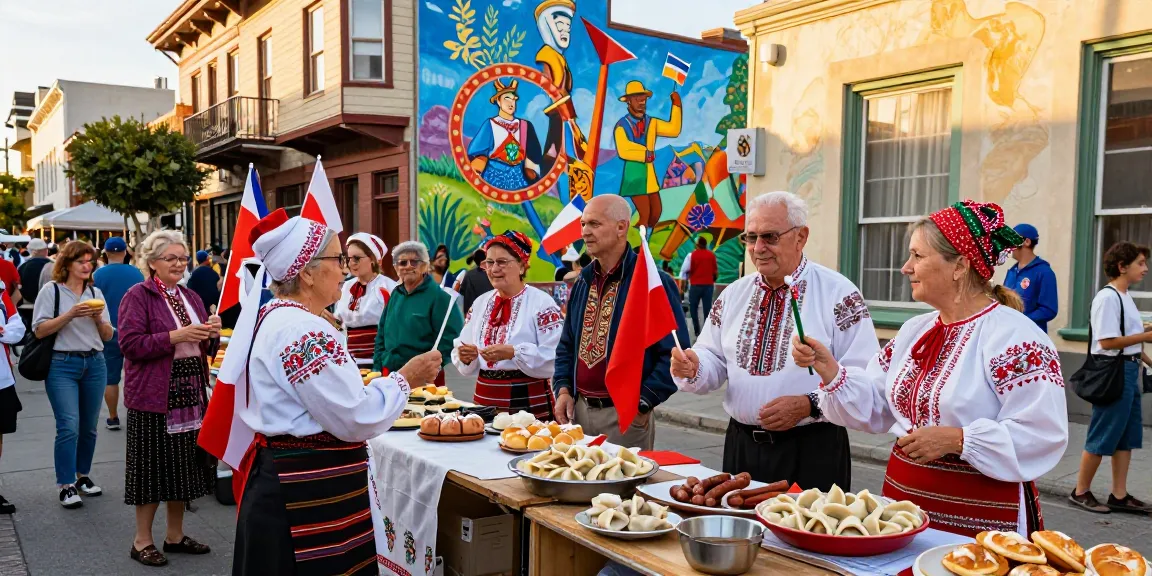
Understanding Free Food Options
Accessing Free Food resources can significantly aid those facing food insecurity. Various programs exist to help individuals and families obtain meals and groceries without cost. Understanding these options is the first step toward alleviating hunger and ensuring proper nutrition.
1. Types of Free Food Programs
Free food initiatives vary widely in structure and delivery. Some primary types include:
- Food Banks: Centralized facilities that collect, store, and distribute food to local pantries and organizations.
- Food Pantries: Local organizations that provide a selection of groceries directly to individuals and families in need.
- Soup Kitchens: Facilities that serve hot meals to the community, typically on a no-cost basis.
- Community Meal Programs: Various local efforts that provide scheduled meals to targeted populations, such as the elderly or low-income families.
- School Meal Programs: Initiatives that ensure children receive free or reduced-price meals during the school year and summer.
2. Eligibility Requirements for Free Food
Each program has its criteria for eligibility, often based on income levels, family size, or specific circumstances. Community food banks may require proof of income, identification, and residency. Typically, lower-income families and individuals facing financial hardships qualify for assistance. It's essential to check specific guidelines as they can differ by location and organization.
3. How to Locate Nearby Free Food Sources
To find free food resources, consider using online tools and local directories:
- Visit websites like local food banks or nationwide initiatives that provide databases of food resources.
- Utilize mapping services or community engagement platforms that showcase food distribution events.
- Contact local nonprofit organizations or government offices for guidance.
Community Food Banks and Pantries
1. What is a Food Bank?
A food bank serves as a centralized distribution point where surplus food is collected and then distributed to various charities and agencies. These banks operate on community donations, corporate partnerships, and hungry volunteers. They play a crucial role in addressing food insecurity on a broader scale.
2. How Do Food Pantries Operate?
Food pantries typically operate by receiving food donations from individuals, organizations, and food banks and then distributing it directly to individuals in need. Most pantries allow clients to choose their groceries, which fosters dignity in the receiving process and helps combat waste.
3. Finding Food Banks in Your Area
To locate a food bank in your area, consider these methods:
- Use local search engines with your zip code and keywords like “food bank” or “food pantry.”
- Visit national networks that aggregate information about food resources based on location.
- Consult community bulletin boards or local government resources for listings.
Government Assistance Programs
1. SNAP and Food Stamps Explained
The Supplemental Nutrition Assistance Program (SNAP) provides financial assistance to low-income individuals and families for purchasing food. Eligible participants receive funds through an EBT card that functions like a debit card specifically for grocery shopping, ensuring they can access food consistently.
2. Additional Support Services
Various additional support services may accompany government assistance. These can include nutritional counseling, cooking classes, and programs specifically designed for seniors, children, or those with disabilities to improve food access.
3. Eligibility and Application Process
Eligibility for SNAP is determined by factors such as income, household size, and expenses. To apply, individuals can contact their local SNAP office or access online applications, submitting the necessary documents that verify their financial situation.
Food Distribution Events
1. How Food Drives Work
Food drives are organized events where individuals and organizations collect non-perishable food items to help stock local food banks. They often happen during holidays but can be conducted year-round, encouraging community involvement in reducing hunger.
2. Community Partnerships for Food Distribution
Collaboration between nonprofits, government agencies, and local businesses maximizes the effectiveness of food distribution. By pooling resources and expertise, these partnerships can enhance outreach and ensure that food reaches those who need it most efficiently.
3. Engaging in Local Food Events
Getting involved with local food events can facilitate community support and volunteer opportunities. These engagements allow individuals and families to contribute to the effort against food insecurity while also fostering social connections in their community.
FAQs About Free Food Access
1. How Can I Find Free Food Near Me?
To find free food resources nearby, search for local food banks and pantries online, or use community service directories. You can also contact local nonprofits or government agencies for assistance.
2. What Documents Do I Need for Food Assistance?
Typically, you will need to provide proof of income, identification, and residency. Specific requirements may vary based on the program or organization assisting you.
3. Are There Restrictions on Free Food Usage?
While many food programs provide items for general consumption, some restrictions might apply regarding resale or use in commercial cooking. It’s best to verify with your local program for specific rules.
4. Can I Volunteer at Food Banks?
Yes! Many food banks welcome volunteers to help with sorting, packing, and distributing food. Reach out to local organizations to find volunteering opportunities that suit your schedule.
5. Can I Receive Assistance Anonymously?
Many food banks and pantries allow clients to seek help without disclosing personal information. However, some may require minimal documentation to ensure fair distribution. Check policies with your local service provider.