Getting Started with Gardening Basics
Gardening is a rewarding hobby that brings joy and relaxation, and it can also produce fresh food and beautiful flowers. Whether you're just starting or looking to expand your knowledge, mastering the fundamentals is crucial. Many people find that a little guidance can transform their experience into something more fulfilling. This guide will delve into everything you need to know about Gardening, beginning from the soil to seasonal planting. Let's dig in!
Understanding Soil Types and Quality
The foundation of any successful garden is quality soil. Understanding the different types of soil and their properties can greatly increase your chances of a thriving garden. Generally, soil can be categorized into three main types: sandy, clay, and loamy. Each type has its unique characteristics:
- Sandy Soil: This soil has large particles and excellent drainage but poor nutrient retention, requiring regular fertilization.
- Clay Soil: Made up of tiny particles, clay soil retains moisture and nutrients but drains poorly, making it prone to compaction.
- Loamy Soil: A mixture of sand, silt, and clay, loamy soil is ideal for gardening as it combines drainage and nutrient retention effectively.
Testing your soil’s pH and nutrient levels can help you amend it appropriately. A balanced pH of 6.0 to 7.5 is generally considered optimal for most plants. You can improve soil quality by incorporating organic matter, such as compost or well-rotted manure, which enhances both nutrient content and soil structure.
Choosing the Right Plants for Your Climate
Not all plants thrive in every climate. Understanding your local climate zone is critical to selecting plants that will flourish. The United States Department of Agriculture (USDA) Classifies zones based on temperature ranges. Here are some considerations:
- Hardiness Zone: Know your zone to pick plants that can withstand your region’s winter temperatures.
- Sunlight Requirements: Some plants thrive in full sun, while others prefer partial shade. Check your garden's sun exposure throughout the day.
- Moisture Levels: Consider both the average moisture in your area and the water requirements of the plants you are considering.
By choosing plants suited to your climate, you are setting the foundation for a successful garden that requires less maintenance and resources.
Essential Gardening Tools for Beginners
Having the right tools can make gardening much more enjoyable. Here are some essential tools every beginner gardener should consider:
- Hand Trowel: Ideal for digging small holes, transplanting seedlings, and mixing soil.
- Pruners: Necessary for trimming and shaping plants; choose a pair that feels comfortable in your hands.
- Garden Fork: Useful for turning soil and breaking up hard clumps of dirt.
- Watering Can or Hose: Ensure it is easy to use and can deliver water gently to not disturb soil.
- Gloves: Protect your hands from soil, thorns, and other garden hazards.
Investing in quality tools will save you time and effort as you embark on your gardening journey.
Watering and Nutrition for Healthy Plants
Proper watering and nutrition are critical components in ensuring your plants grow healthy and strong. Understanding the balance between these elements can lead to a flourishing garden.
Best Practices for Watering Techniques
Watering correctly is essential for plant health. Here are some best practices:
- Morning Watering: It's best to water early in the day when temperatures are cooler, allowing plants to absorb moisture before the sun heats up.
- Deep and Infrequent: Rather than watering daily, aim for deep watering less often to encourage roots to grow deeper into the soil.
- Use Mulch: Mulching helps retain soil moisture and reduces the need for frequent watering.
Be attentive to weather conditions, as factors like rain or heat can influence your watering schedule.
Understanding Fertilizers and Their Usage
Fertilization can significantly boost plant growth, but understanding how to use fertilizers can be complex. There are two main types of fertilizers:
- Organic Fertilizers: Derived from natural substances, such as compost or animal manure, they improve soil health and promote sustainable practices.
- Inorganic Fertilizers: Manufactured using chemicals, these fertilizers offer quick results but can degrade soil quality over time if overused.
Understanding the N-P-K ratio (Nitrogen, Phosphorus, Potassium) on fertilizer labels can help you choose the right product, as different plants require varying nutrient levels for optimal growth.
Organic Gardening and Natural Amendments
Organic gardening emphasizes using natural products and processes to grow plants. This approach fosters sustainability and encourages biodiversity. Consider these practices:
- Composting: Create your compost by recycling kitchen scraps and yard waste, improving soil health and reducing waste.
- Crop Rotation: Changing the position of plants each season enhances soil nutrients and reduces pest build-up.
- Natural Pest Control: Introduce beneficial insects like ladybugs, or use neem oil as a natural pesticide to keep harmful insects at bay.
Adopting organic practices not only provides healthier plants but also contributes to the overall ecological balance.
Gardening Techniques for Small Spaces
Many people think they need a large backyard to enjoy gardening, but small spaces can be optimized for growth through clever techniques. Here are effective strategies:
Container Gardening: Choosing the Right Pots
Container gardening allows even those with limited space to grow their plants. Key points to consider when selecting pots include:
- Size: Ensure pots are large enough to accommodate the root systems of the plants you choose.
- Material: Clay, ceramic, and plastic pots all offer unique benefits. Choose materials that suit your aesthetic and functional needs.
- Drainage: Ensure your containers have adequate drainage holes to prevent root rot.
Container gardening also allows for mobility, enabling you to adjust your plants' sun exposure as needed.
Vertical Gardening for Maximizing Space
Vertical gardening techniques enable you to grow plants upward, saving precious ground space:
- Wall Planters: Use vertical wall planters made from wood or metal to create a stunning display of flowers or herbs.
- Trellises: Train climbing plants like beans or cucumbers to grow vertically using structures or fencing.
- Hanging Gardens: Utilize hanging pots to display trailing plants while optimizing vertical space.
By stacking and arranging plants vertically, you can create diverse and visually intriguing gardens.
Building Raised Beds for Urban Gardening
Raised garden beds can be an excellent option for urban gardening, offering various benefits:
- Improved Drainage: Elevated beds allow for better drainage, reducing the risk of waterlogged soil.
- Soil Control: You can create the ideal soil mix, ensuring optimal conditions for your plants.
- Easier Accessibility: Raised beds are easier to tend, making them suitable for all gardening abilities.
By building raised beds, you can create a controlled and effective growing environment right in your backyard or balcony.
Seasonal Gardening: What to Plant When
Understanding seasonal gardening will greatly influence your garden's productivity and health. Here’s a breakdown of what to plant during each season:
Spring Planting: Flowers and Vegetables to Start
Spring is the perfect time to plant a variety of flowers and vegetables:
- Cool-Season Vegetables: Carrots, peas, and lettuce typically thrive when planted early in spring.
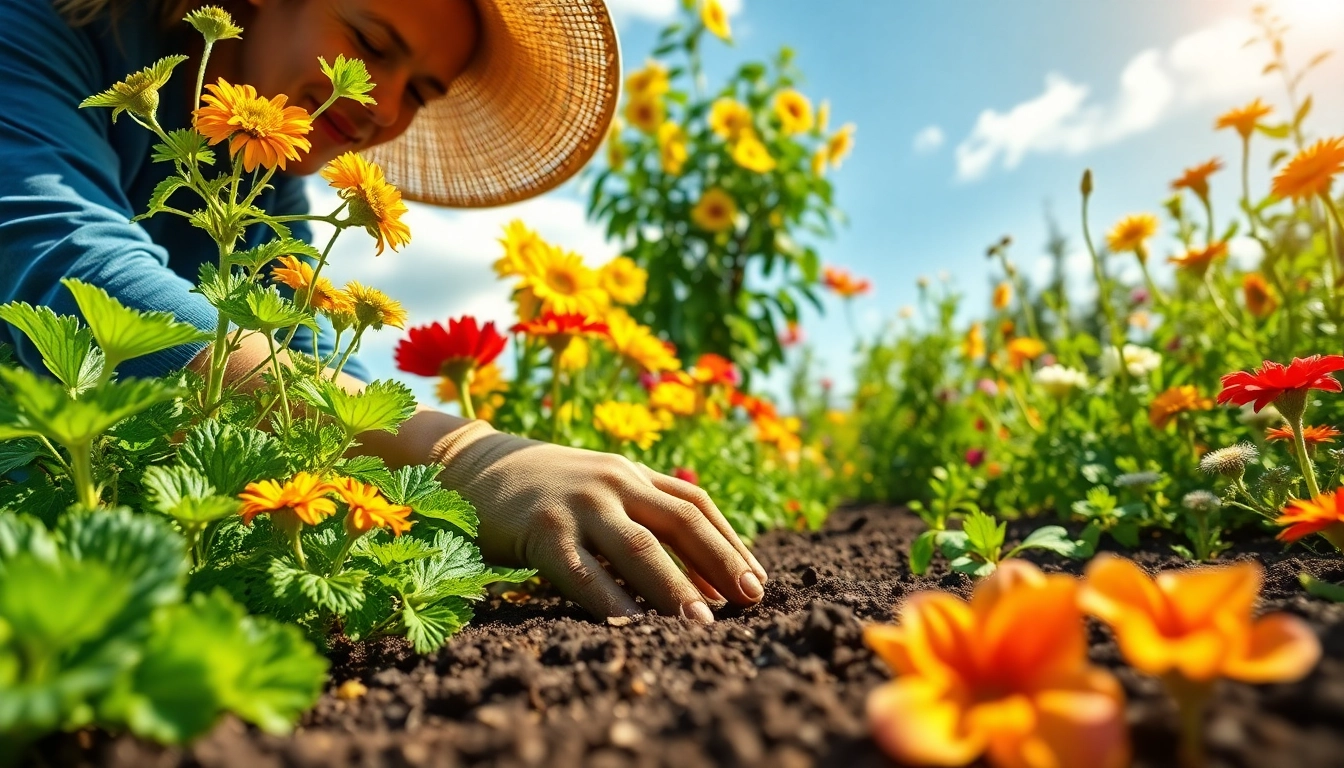
- Annual Flowers: Marigolds, pansies, and petunias can add color and attract pollinators.
- Herbs: Basil, chives, and parsley can be sown in early spring, providing fresh ingredients for cooking.
Planting early ensures that your garden will flourish throughout the season.
Preparing for Summer Crops and Maintenance
As summer approaches, it's vital to prepare for warmer weather:
- Warm-Season Crops: Tomatoes, peppers, and squash should be planted after the last frost.
- Mulching: Apply mulch to retain moisture and suppress weeds during the heat of summer.
- Regular Maintenance: Ensure to stake taller plants and keep an eye out for pests as they become more active.
Taking maintenance actions during summer ensures a bountiful harvest.
Fall and Winter Gardening Strategies
Even as temperatures drop, gardening does not have to halt. Here are strategies for fall and winter:
- Fall Planting: Many vegetables, like kale and spinach, can be planted in fall for late-season harvest.
- Cover Crops: Planting cover crops can improve soil health during the winter months and prevent erosion.
- Indoor Gardening: Consider growing herbs indoors or using grow lights to extend your gardening season.
Winter gardening strategies help keep your gardening activities active year-round.
Common Gardening Challenges and Solutions
Every gardener faces challenges, but understanding potential problems can help you mitigate them effectively. Here are some common hurdles and how to address them:
Dealing with Pests and Diseases
Pests and diseases can devastate a garden if not managed properly. Here are several strategies to tackle these issues:
- Regular Inspection: Frequently check plants for signs of pests or diseases to catch problems early.
- Natural Remedies: Utilize neem oil or insecticidal soap to manage infestations without harmful chemicals.
- Practicing Sanitation: Clean up debris and spent plants to reduce habitats for pests and diseases.
Staying vigilant and proactive can save your garden from becoming overly affected by pests and diseases.
Companion Planting for Natural Pest Control
Companion planting is an effective method of using plants to protect each other from pests. Here’s how to maximize this technique:
- Planting Aromatic Herbs: Herbs like basil can repel harmful insects when planted near tomatoes.
- Using Marigolds: Marigolds naturally repel nematodes and other pests, making them a valuable companion plant.
- Balancing Nutrients: Legumes fix nitrogen in the soil, benefitting nearby heavy feeders like corn.
Companion planting not only reduces the need for chemical controls but also enhances plant growth.
Knowing When to Prune and Thin Plants
Proper pruning and thinning improve plant health and productivity. Here are essential tips:
- Understand Timing: Prune flowering plants after they bloom and fruit-bearing plants during their dormant season.
- Aim for Airflow: Thinning overcrowded plants allows for better air circulation and sunlight exposure.
- Utilize Sharp Tools: Always use clean, sharp pruners to make clean cuts and prevent disease spread.
Knowing when and how to prune improves the overall vitality of your garden.