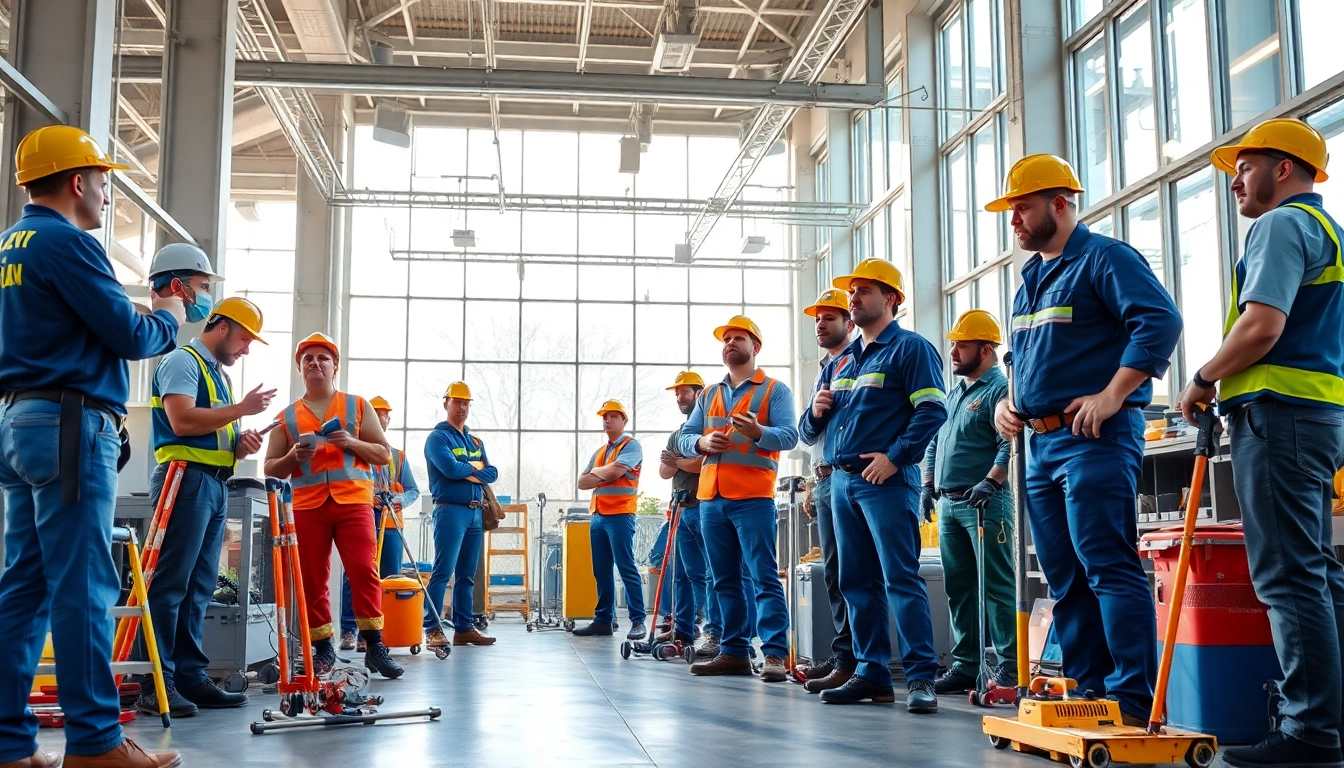
Understanding General Building Maintenance
Definition and Importance
General building maintenance refers to the routine upkeep, repairs, and overall management of properties, ensuring that they remain functional, safe, and aesthetically appealing. It encompasses a wide array of activities, from structural repairs to landscaping, and it underscores the importance of preserving the integrity and value of a property. Effective general building maintenance not only extends the life of a building but also enhances occupant satisfaction and safety.
Key Components of General Building Maintenance
General building maintenance includes several critical components:
- Routine Inspections: Regular checks to identify and address potential issues before they escalate.
- Repairs: Timely fixing of damaged structures, plumbing leaks, electrical issues, and HVAC systems.
- Cleaning: Regular cleaning of common areas, windows, and ventilation systems to maintain hygiene and aesthetics.
- Landscaping: Upkeep of outdoor spaces to create a welcoming environment.
- Compliance Inspections: Ensuring all building systems conform to applicable regulations and codes.
Common Challenges Faced
Maintaining a property comes with its challenges. Some common issues include:
- Budget Constraints: Limited financial resources may impede maintenance efforts.
- Time Management: Balancing routine maintenance with unexpected repairs can disrupt schedules.
- Staffing Shortages: Inadequate manpower can lead to oversight of crucial maintenance tasks.
- Tenant Communication: Keeping occupants informed about maintenance schedules and disruptions can be challenging.
Best Practices for Effective Maintenance
Routine Inspections and Assessments
Implementing a systematic approach for routine inspections is foundational to effective building maintenance. By scheduling regular assessments, you can proactively identify issues. Key steps include:
- Establishing a checklist that covers all areas of the building.
- Documenting inspection outcomes for future reference.
- Engaging tenants in the feedback process to uncover unnoticed issues.
Utilizing Technology in Maintenance
The integration of technology in maintenance strategies is increasingly vital. Building management software can automate tasks such as scheduling inspections, tracking repairs, and managing budgets. Furthermore, technology can facilitate:
- Real-time monitoring of systems such as HVAC or security.
- Use of drones for roof inspections and external assessments.
- IoT devices to trigger alerts for maintenance needs before failures occur.
Scheduling and Planning Strategies
Effective scheduling and planning can significantly impact maintenance efficiency. Strategies should include:
- Creating seasonal maintenance plans that address specific needs, such as winterizing plumbing systems.
- Setting priorities based on urgency and potential impact on safety and property value.
- Involving cross-functional teams to cover various maintenance aspects.
Cost-Effective Approaches to General Building Maintenance
Budgeting for Regular Maintenance
Budgeting effectively for general building maintenance is essential for long-term success. It is crucial to:
- Analyze previous years’ expenses to predict future needs.
- Set aside emergency funds for unexpected repairs.
- Consider the cost of preventive maintenance versus reactive repairs to optimize spending.
Identifying High-Impact Areas
Focusing on high-impact areas can yield significant benefits. This involves conducting an analysis to determine which systems typically need more attention, such as:
- Roofing systems, particularly in older buildings.
- Plumbing that can significantly affect other services and general comfort.
- Heating and cooling systems which are essential for tenant satisfaction.
Leveraging Professional Services
Sometimes, engaging professional services is the most efficient approach to maintenance. Outsourcing can provide:
- Specialized skills and expert knowledge beyond the in-house team's capabilities.
- Faster resolution of complex issues.
- Cost savings due to reduced need for training and tools.
Performance Metrics for Maintenance Success
Tracking Maintenance Efficiency
Measuring the efficiency of your maintenance operations is vital for continuous improvement. Key performance indicators (KPIs) include:
- The average time taken to complete work orders.
- Percentage of preventive vs. reactive maintenance tasks.
- Cost per square foot maintained.
Measuring Tenant Satisfaction
Tenant satisfaction is a crucial metric of successful maintenance. Gathering feedback through surveys allows for:
- Identifying areas for improvement in maintenance services.
- Fostering community engagement through open communication.
- Maintaining higher occupancy rates by responding to tenant needs promptly.
Assessing Property Value Enhancement
Ultimately, effective maintenance should enhance a property's value. Evaluating this can be done by:
- Conducting regular appraisals and comparing value growth against market trends.
- Analyzing retention rates, as satisfied tenants lead to lower turnover.
- Reviewing overall upkeep and aesthetic appeal, which contributes to market desirability.
Future Trends in General Building Maintenance
Sustainable Maintenance Practices
As environmental concerns grow, the demand for sustainable practices in building maintenance is on the rise. Implementing eco-friendly solutions not only benefits the planet but can also reduce costs. Strategies include:
- Utilizing energy-efficient fixtures and appliances.
- Incorporating green cleaning products.
- Implementing recycling and waste reduction programs.
Smart Building Technologies
The emergence of smart building technologies is revolutionizing maintenance strategies. Integrating smart systems can lead to:
- Automated monitoring of energy consumption, heating, and cooling for optimal efficiency.
- Real-time reporting of maintenance issues, allowing quick responses.
- Data analytics that help anticipate maintenance needs.
Integrating Community Feedback
Engaging with tenants and the surrounding community is essential for effective maintenance strategies. Strategies for integrating feedback include:
- Establishing a formal feedback process for tenants to voice maintenance concerns.
- Hosting community forums to discuss potential improvements.
- Utilizing digital platforms for suggestions and anonymous feedback.
Frequently Asked Questions
What is general building maintenance?
General building maintenance involves the routine checks, repairs, and upkeep of properties to ensure their functioning, safety, and aesthetic appeal.
Why is general building maintenance important?
It helps preserve property value, ensures tenant satisfaction, and maintains safety standards while preventing costly repairs through proactive actions.
How can technology improve maintenance practices?
Technology enables real-time monitoring, predictive maintenance, and streamlined communication, improving efficiency and reducing costs in building maintenance.
What are some common challenges in building maintenance?
Common challenges include budget constraints, time management issues, staffing shortages, and effective communication with tenants regarding maintenance schedules.
How can tenant feedback be integrated into maintenance strategies?
Conducting surveys, establishing suggestion programs, and hosting community forums can help incorporate tenant feedback into building maintenance strategies.