Getting Started with Gardening
Embarking on the Gardening journey can be both thrilling and overwhelming, especially for beginners. Whether you're motivated by a desire to grow fresh produce, beautify your home, or simply enjoy time outdoors, starting with the right foundation is crucial. This guide aims to help aspiring gardeners navigate the initial steps, covering everything from selecting the right plants to essential tools and soil preparation.
Choosing the Right Plants for Your Space
The first step in your gardening adventure is choosing the right plants. Different plants thrive in different environments, so it’s essential to analyze your specific gardening conditions
- Climate: Understand your hardiness zone. This zone determines which plants will survive in your climate.
- Sunlight: Observe how much sunlight your garden receives throughout the day. Most vegetables and flowers require full sun (6-8 hours) to flourish.
- Space: Consider how much space you have. Some plants, like tomatoes, need wide spacing to grow, while others, like herbs, can thrive in compact areas.
It’s also beneficial to consider native plants, as they are adapted to your local environment and typically require less maintenance.
Essential Gardening Tools Every Gardener Needs
Having the right tools can make gardening much easier and more enjoyable. Here’s a list of essential items:
- Hand Trowel: A versatile tool for planting, weeding, and transferring soil.
- Pruning Shears: Necessary for trimming and shaping plants to promote healthy growth.
- Garden Fork: Useful for turning and aerating soil, especially in larger gardens.
- Watering Can or Hose: Ensures plants receive adequate hydration.
- Garden Rake: Ideal for leveling soil and clearing debris before planting.
Investing in high-quality tools will save you time and effort in the long run.
Basic Soil Preparation Techniques for Gardening
Soil preparation is a crucial step for successful gardening. Healthy soil provides nutrients to your plants and supports robust root systems. Here are some basic preparation techniques:
- Testing the Soil: Perform a soil test to determine your soil's pH and nutrient levels. This will guide you in selecting amendments needed for optimal plant growth.
- Improving Soil Structure: Add organic matter, such as compost or aged manure, to enhance soil structure and fertility.
- Tilling the Soil: Loosen the soil with garden forks or tillers to allow air penetration and root expansion.
These foundations will ensure your garden has the nutrients and conditions necessary for plant growth.
Understanding Plant Care in Gardening
Once the groundwork is laid, the next step is understanding how to care for your plants. This involves watering practices, fertilization, and pest control.
Watering Practices for Optimal Plant Growth
Watering is a critical component of gardening. Here are several methods to ensure optimal growth:
- Deep Watering: Instead of shallow watering daily, opt for infrequent but deep watering that allows roots to extend deeper into the soil.
- Time of Day: Water in the early morning or late afternoon to minimize evaporation and allow plants to absorb moisture effectively.
- Mulching: Apply mulch around plants to retain moisture, suppress weeds, and regulate soil temperature.
These practices will help your plants thrive while conserving water resources.
Fertilizing Your Garden Effectively
Fertilizing is essential for providing plants with necessary nutrients. Here’s how to do it properly:
- Choose the Right Fertilizer: Use a balanced fertilizer or one specifically formulated for your plant types.
- Follow Application Guidelines: Over-fertilizing can harm plants. Always follow the recommended rates and application methods on the product label.
- Organic Options: Consider organic fertilizers like fish emulsion or bone meal which provide slow-release nutrients.
Effective fertilization encourages vigorous growth and abundant yields.
Pest Control Strategies for Beginners
Pest management is an inevitable part of gardening. Here are some beginner-friendly strategies:
- Identification: Learn to identify common garden pests and their potential damage to intervene early.
- Companion Planting: Some plants can repel pests or attract beneficial insects when grown together.
- Natural Alternatives: Use insecticidal soaps or neem oil as non-toxic treatments if infestations occur.
Implementing these strategies will help you protect your plants and encourage a healthy ecosystem.
Advanced Gardening Techniques
As you become more experienced, consider exploring advanced gardening techniques that can enhance productivity and sustainability.
Companion Planting for Biodiversity
Companion planting involves pairing plants that benefit each other. Here’s how it works:
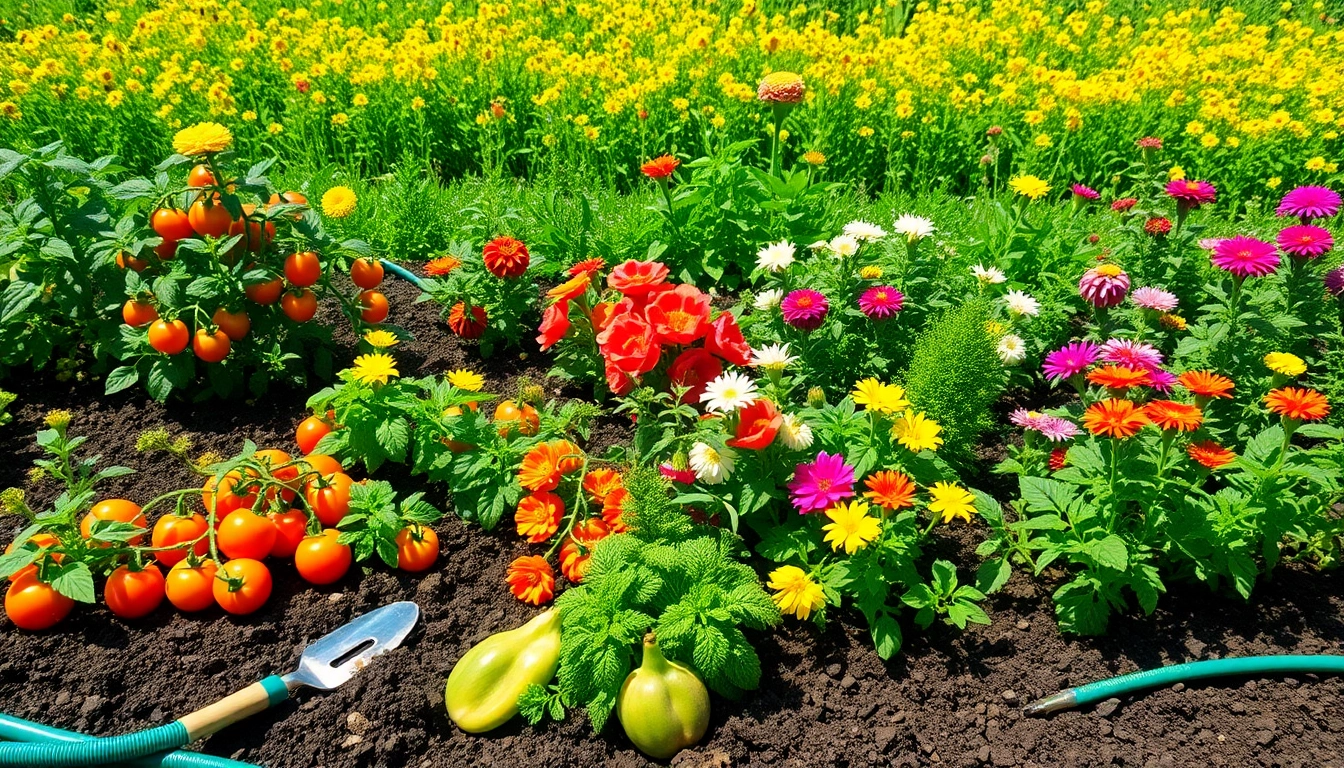
- Pest Control: Certain plants can repel insects that harm others. For example, planting marigolds near vegetables can deter nematodes.
- Improved Growth: Some plants naturally enhance the growth of their neighbors; for instance, basil and tomatoes thrive together.
By using these techniques, you can minimize the need for chemical interventions while promoting biodiversity in your garden.
Vertical Gardening to Maximize Space
If space is an issue, vertical gardening can be a practical solution. This technique involves growing plants upward rather than outward:
- Structures: Utilize trellises, arbors, or wall planters to support climbing plants.
- Space Efficiency: This method is ideal for small gardens or urban settings, making it easy to cultivate a variety of plants.
Vertical gardening not only saves space but also adds visual interest to your garden.
Seasonal Gardening Techniques for Year-Round Growth
To ensure continuous harvests, implement seasonal gardening techniques:
- Crop Rotation: Rotate crops each season to prevent soil depletion and reduce pest issues.
- Succession Planting: Plant new crops in intervals to ensure a staggered harvest.
These techniques allow you to maximize your garden's potential throughout the year.
Community Involvement in Gardening
Gardening can be an enriching experience that extends beyond personal cultivation; engaging with your community can offer knowledge, support, and friendships.
Joining Local Gardening Clubs and Organizations
A great way to enhance your gardening skills and meet like-minded individuals is by joining local gardening clubs:
- Networking: Connect with experienced gardeners who can share tips and resources.
- Workshops: Participate in workshops to gain hands-on experience and learn new techniques.
Networking within these communities can lead to fruitful exchanges of knowledge and best practices.
Participating in Community Garden Projects
Community gardens are fantastic initiatives that enable residents to grow food and foster social connections:
- Collaboration: Work alongside neighbors to create plots that benefit the entire community.
- Access to Resources: Community gardens often provide access to shared resources like tools and soil.
These projects create a sense of belonging while promoting sustainability and healthy eating.
Sharing Gardening Tips and Experiences
Sharing your gardening experiences can be beneficial for both you and your community:
- Social Media: Utilize social platforms to join gardening forums, where you can ask questions and share success stories.
- Local Workshops: Encourage workshops where community members can learn from each other.
Collaboration and sharing foster a thriving gardening community that benefits all participants.
Measuring Success in Your Gardening Journey
Understanding how to gauge your gardening success is essential for continual growth and improvement.
Tracking Growth and Yields in Your Garden
Monitoring your garden's progress can help you determine what works and what doesn’t:
- Garden Journal: Keep a log of plant growth, yields, weather conditions, and any interventions applied.
- Photos: Take regular photos to visually track the progress of your garden.
Inscribing observations will guide you for future gardening endeavors while celebrating your achievements.
Setting Gardening Goals for Improvement
Establishing clear, achievable goals can drive your gardening practice:
- Specific Goals: Designate specific objectives, such as growing a certain quantity of produce or mastering a new gardening technique.
- Time-Bound Objectives: Set timelines to evaluate what you have achieved over weeks or months.
Making your goals specific and measurable will help maintain focus and motivation in your gardening journey.
Learning from Gardening Challenges and Successes
All gardeners encounter challenges. Learning from both successes and setbacks is crucial:
- Reflective Practices: Take the time to assess what worked well and what did not—this reflection will improve your gardening methods over time.
- Engage with Others: Sharing challenges with fellow gardeners can provide new perspectives and solutions.
Creating a mindset of learning and adaptation will serve you well throughout your gardening endeavors.