Understanding Track Inspection: An Overview
What is Track Inspection?
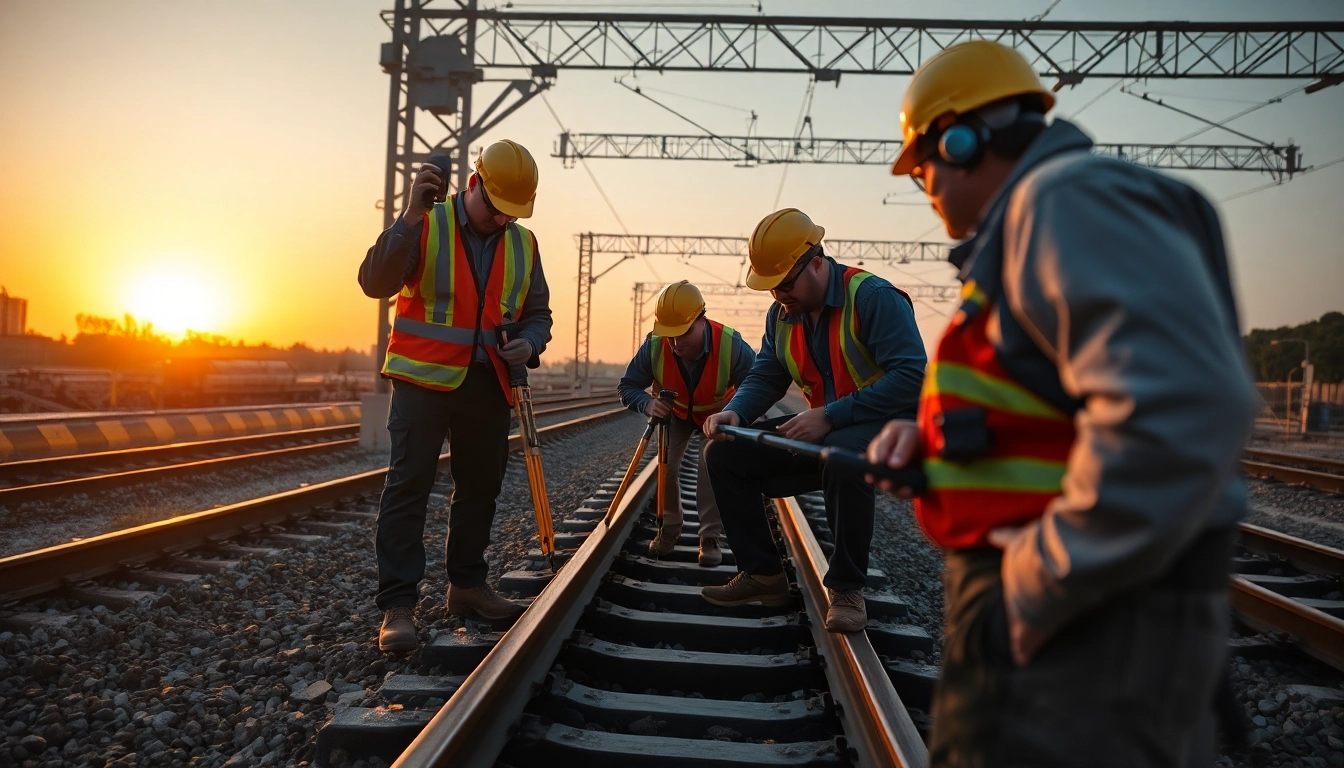
Track Inspection refers to the systematic process of evaluating the condition and safety of railway tracks. This vital practice ensures that tracks are in optimal condition for train operations, helping to prevent accidents and service disruptions. The process typically involves a combination of visual assessments and advanced technologies to identify structural integrity issues and other potential hazards. Regular Track Inspection is crucial for maintaining safety and efficiency in rail transport systems.
Importance of Regular Track Inspection
Regular Track Inspection is essential for various reasons, primarily safety and operational efficiency. Trains operate at high speeds, making any track deficiencies risky. Undetected issues can lead to derailments or delays, resulting in financial losses, legal liabilities, and diminished public trust in rail systems. Moreover, regular inspections help extend the lifespan of the tracks by identifying wear and tear before they become critical problems. Additionally, they ensure compliance with safety regulations set by transportation authorities.
Key Technologies in Track Inspection
Advancements in technology have revolutionized Track Inspection, enhancing accuracy and efficiency. Key technologies include:
- Ultrasonic Testing: This method uses high-frequency sound waves to detect internal flaws in rail material.
- Laser Scanning: Laser technology captures the intricate details of track geometry, helping to monitor deviations and defects.
- Ground Penetrating Radar (GPR): GPR assesses the sub-surface conditions of the tracks, revealing issues like cracks and voids.
- Drones: Unmanned aerial vehicles can cover large sections of track rapidly, minimizing inspection time and providing detailed visual data.
Common Methods for Effective Track Inspection
Visual Inspections: Best Practices
Visual inspections are the cornerstone of Track Inspection. Trained personnel assess signs of wear, corrosion, alignment issues, and ballast degradation. Best practices include:
- Conducting inspections during different weather conditions to identify how elements affect the tracks.
- Using checklists to ensure no aspect of the track is overlooked.
- Documenting findings with photographs and detailed notes for future reference.
Technological Advancements in Track Inspection
Emerging technologies are continually improving the efficiency and effectiveness of Track Inspection. Some noteworthy advancements include:
- AI and Machine Learning: These technologies enable predictive analytics, allowing for the anticipation of track failures based on historical data.
- Mobile Inspection Apps: These tools allow inspectors to report findings in real-time, enhancing communication and response times.
- Remote Sensing: Technologies such as LiDAR provide comprehensive data about track conditions without needing physical access.
Utilizing Drones in Track Inspection
Drones have become increasingly popular in Track Inspection due to their ability to cover extensive areas quickly and safely. They can capture high-resolution images and videos that offer insights into track conditions from perspectives not achievable by ground-based inspections. Furthermore, drones can navigate difficult terrains and reduce auditors' exposure to hazardous environments, making them an invaluable asset during inspections.
Challenges Faced During Track Inspection
Environmental Factors Affecting Track Inspection
Environmental factors play a significant role in Track Inspection. Issues such as heavy rainfall, snow, and extreme temperatures can impede visibility and affect the integrity of tracks. Weather conditions may alter the structural behavior of tracks, making them more susceptible to damage. Consequently, the inspection schedule often requires flexibility to account for environmental challenges.
Safety Risks for Inspectors
Inspectors face various safety risks, including exposure to high-speed trains, difficult terrain, and harsh weather conditions. Implementing strict safety protocols, such as wearing high-visibility attire and utilizing safety gear, is critical. Moreover, risk assessments should be part of planning any inspection to identify potential hazards and mitigate them proactively.
Budget Constraints and Resource Allocation
Budgetary constraints often challenge organizations conducting Track Inspections. Limited funding can restrict access to advanced technologies and adequately trained personnel. To navigate these challenges, organizations must prioritize spending, focusing on essential inspections while seeking cost-effective technologies that enhance efficiency without sacrificing safety. Long-term budgeting for preventive maintenance can prevent more significant expenses due to unexpected track failures.
Best Practices for Optimal Track Inspection
Creating a Track Inspection Schedule
A well-defined inspection schedule is fundamental to maintaining the integrity of railway systems. Scheduling should account for track usage frequency, seasonal conditions, and historical data regarding issues encountered. A combination of routine inspections and more in-depth evaluations during off-peak times can lead to more comprehensive oversight of track conditions.
Documentation and Reporting in Track Inspection
Accurate documentation is key in Track Inspection. Inspectors must maintain detailed records of findings, including photographs, repair recommendations, and trends over time. This documentation serves multiple purposes, from facilitating regulatory compliance to providing valuable data for predictive maintenance strategies. Reports should be clear, concise, and easily accessible to relevant stakeholders.
Collaboration Among Inspection Teams
Collaboration among inspectors, engineers, and management is vital for effective Track Inspection practices. By fostering open communication, teams can share insights and address challenges collectively. Regular training and meetings can help all parties stay updated on best practices and evolving technologies, promoting a culture of safety and efficiency.
Future Trends in Track Inspection
Impact of Artificial Intelligence on Track Inspection
The integration of Artificial Intelligence (AI) into Track Inspection is set to transform the industry. AI can analyze vast amounts of data from inspections to identify patterns and predict potential failures. This capability enables rail operators to perform predictive maintenance, reducing unexpected breakdowns and enhancing overall safety and operational efficiency.
Integrating IoT in Track Inspection
The Internet of Things (IoT) allows for real-time monitoring of track conditions through sensors placed along the railway. These sensors can collect data on temperature, vibration, and other variables, providing immediate feedback about track performance. The integration of IoT with existing inspection methodologies will lead to a more proactive approach in maintenance and monitoring.
Adapting to Climate Change and its Challenges
Climate change poses unique challenges for Track Inspection, including more frequent extreme weather events and shifting environmental conditions. Rail operators must adapt by employing resilient materials and technologies that withstand these challenges. Assessments should incorporate environmental forecasts, and inspection schedules may need adjusting to align with evolving conditions.
FAQs About Track Inspection
What is the frequency of Track Inspection?
Track Inspection frequency varies but is generally recommended quarterly or biannually depending on usage and conditions.
Why is Track Inspection critical for safety?
Consistent Track Inspection helps identify potential hazards, ensuring safe transit and preventing accidents.
What technologies are used in Track Inspection?
Technologies such as ultrasonic testing, laser scanning, and drones are increasingly utilized in Track Inspection for accuracy.
How do environmental factors affect Track Inspection?
Weather conditions, such as rain or snow, can hinder visibility and track condition assessment during inspections.
What qualifications are needed for Track Inspectors?
Track Inspectors typically need relevant certifications, training in safety practices, and experience in railway operations.