Introduction to Wildlife Photography Course
The world of wildlife photography is not just a pursuit; it's an adventure that allows you to witness and capture breathtaking moments in nature. Whether you’re a beginner looking to discover your passion or an experienced photographer wishing to refine your skills, enrolling in a wildlife photography course can offer an invaluable experience. This course covers essential aspects, from understanding animal behavior to mastering camera techniques, all aimed at helping you create stunning visuals of wildlife.
What You Will Learn
In this wildlife photography course, participants will learn various skills and techniques that enhance their photography capabilities. The course will cover:
- The fundamentals of photography, including composition and lighting.
- How to understand animal behavior to predict moments worth capturing.
- Equipment essentials and the best practices for using them effectively.
- Post-processing techniques to enhance your pictures to their fullest potential.
- How to develop a personal photography style that reflects your vision.
Equipment Essentials
The right equipment can significantly affect the quality of your wildlife images. This section will guide you through:
- Cameras: Understanding the types of cameras suited for wildlife photography, including DSLRs and mirrorless systems.
- Lenses: Choosing the right lenses based on your subject matter, often prioritizing telephoto lenses for distant subjects.
- Accessories: Essential equipment such as tripods, filters, and memory cards that can enhance your shooting experience.
Setting Your Goals
Defining your goals as a wildlife photographer will direct your focus and improve your craft. Consider whether you want to document wildlife for educational purposes, fine art photography, or commercial use. Set specific goals such as:
- Learning to capture a particular type of wildlife.
- Creating a series of images showcasing seasons in a specific habitat.
- Entering competitions or submitting work for publication.
The Basics of Wildlife Photography
Understanding Animal Behavior
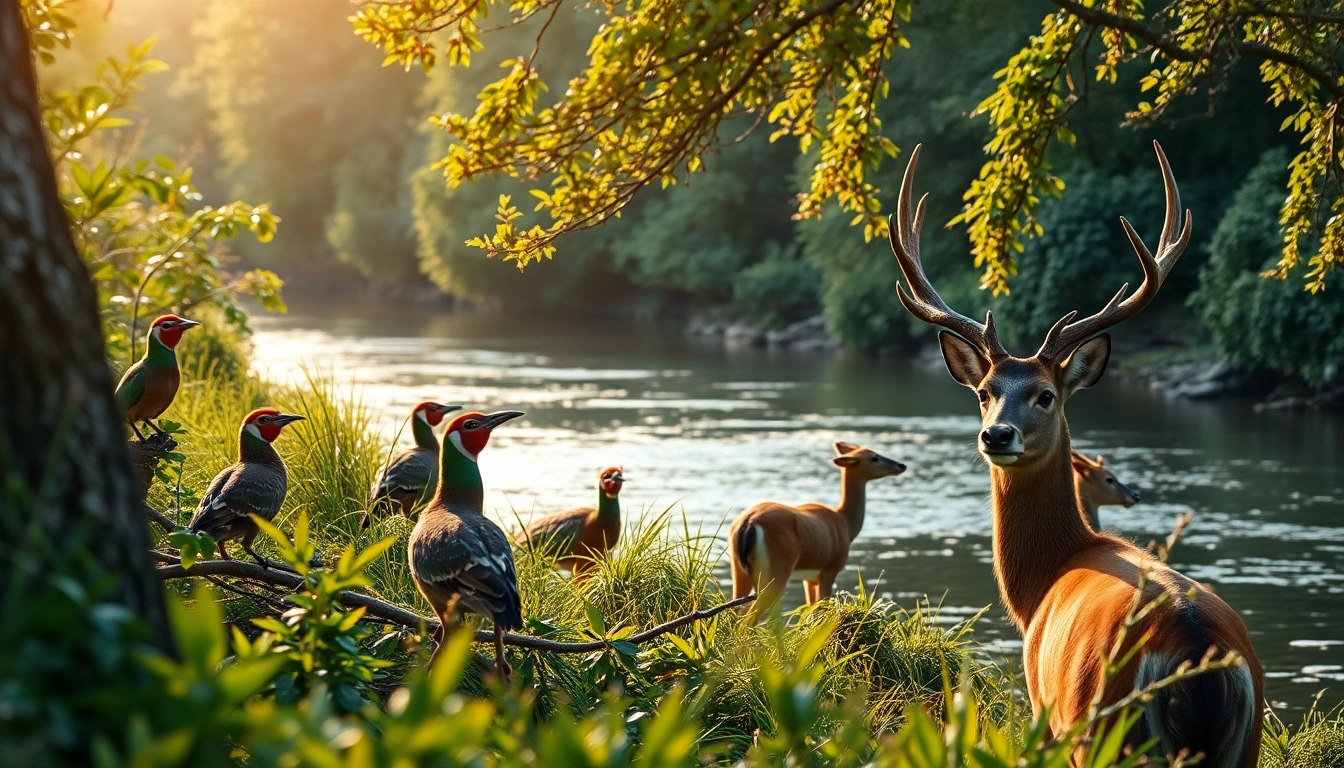
A fundamental aspect of wildlife photography is understanding the animals themselves. Learning about their habits, habitats, and behaviors will allow you to predict when and where you might get the best shots. Key points include:
- Habitat Knowledge: Identifying where animals are most likely to be found enhances the chances of capturing them.
- Behavior Patterns: Studying their feeding and mating habits can provide insights into peak opportunities for photographs.
- Patience and Observation: Spend time quietly observing to reduce your impact on their environment and increase your chances of getting great shots.
Choosing the Right Gear
While you may have a camera in hand, the right gear can make or break a photograph. Focus on selecting equipment that enhances your ability to capture wildlife. Important considerations include:
- ISO settings for various light conditions.
- Autofocus systems that can track moving subjects more effectively.
- Comfort and portability for long photography sessions in remote locations.
Basic Camera Settings
Understanding essential camera settings is critical in wildlife photography. Learn about:
- Aperture: Setting the right aperture can help you manage depth of field, allowing for sharp subjects against blurry backgrounds.
- Shutter Speed: Fast shutter speeds are essential for freezing motion, especially in dynamic wildlife settings.
- ISO: Adjusting ISO based on light availability to optimize image quality in various conditions.
Techniques for Successful Wildlife Photography
Composition and Framing
Composition is paramount in photography. Techniques like the rule of thirds, leading lines, and symmetry will elevate your images. Try experimenting with:
- Different angles and perspectives.
- Framing subjects within natural elements to create a more engaging narrative.
- Utilizing foreground and background to add depth.
Lighting and Timing
Natural lighting plays a significant role in wildlife photography, influencing the mood and quality of your photographs. Consider:
- The golden hours: Early mornings and late afternoons provide the soft light ideal for capturing stunning images.
- Weather conditions: Overcast skies can diffuse harsh sunlight, while a clear day may offer vibrant colors.
- Backlighting: Understanding how the direction of light affects your subjects can lead to creative compositions.
Using Lenses Effectively
Different lenses serve unique purposes in wildlife photography. Here are some tips on making the most of your lens:
- Telephoto lenses for distant subjects allow you to shoot without disturbing wildlife.
- Wide-angle lenses to capture landscapes with wildlife as part of the scene.
- Understanding lens characteristics such as distortion, and focal length, to choose the best option for specific shots.
Post-Processing Tips for Wildlife Images
Editing Software Choices
A significant part of wildlife photography is post-processing. Selecting the right editing software, such as Adobe Lightroom or Photoshop, is crucial. Focus on:
- Learning foundational editing techniques such as cropping, exposure adjustments, and noise reduction.
- Utilizing software presets to maintain a unique style while saving time.
Enhancing Colors and Textures
Post-processing should enhance natural colors and textures rather than alter them extensively. Employ practices like:
- Adjusting vibrance and saturation to make your photos more lifelike.
- Using sharpness and clarity to emphasize details without making images artificially harsh.
Creating a Consistent Style
Establishing a signature style helps create a recognizable body of work. This includes:
- Consistent color grading across your portfolio.
- A preferred shooting style—documentary versus artistic—provides coherence.
- Regular practice in post-processing to streamline your editing behavior.
Frequently Asked Questions about Wildlife Photography Course
What experience do I need?
No prior experience is needed! The course welcomes beginners and offers advanced tips for seasoned photographers.
How long is the wildlife photography course?
The course typically spans several weeks, including both classroom sessions and fieldwork.
Will I learn editing techniques too?
Yes! The curriculum includes comprehensive training on various editing software and techniques.
What gear should I bring?
Participants are encouraged to bring their cameras, lenses, and any additional gear they use, along with a laptop for editing sessions.
Can I take the course online?
Absolutely! The course offers both in-person and online options to accommodate various learning preferences.