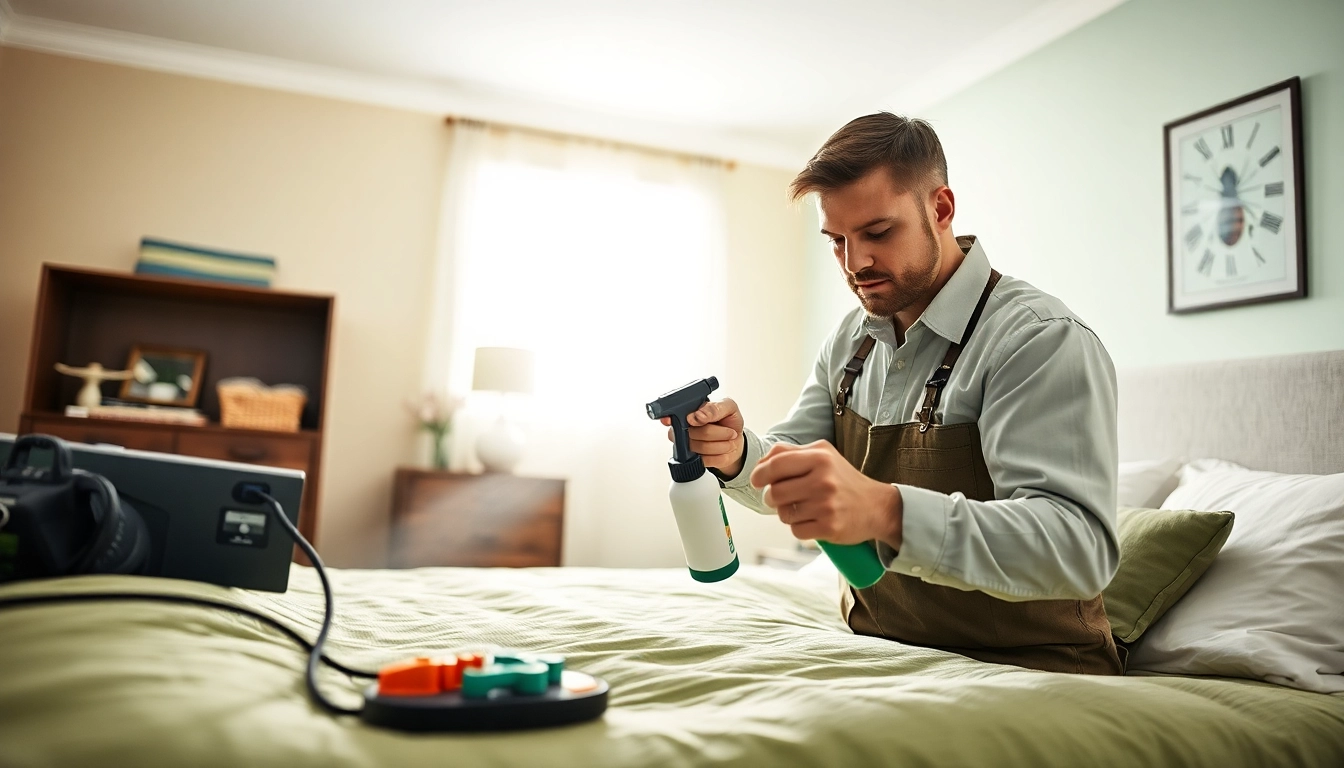
Understanding Bed Bugs and Their Impact
What are Bed Bugs?
Bed bugs are small, reddish-brown insects that belong to the Cimex genus. They are nocturnal pests that prefer to feed on the blood of humans and animals. Adult bed bugs can grow to about the size of an apple seed (around 4-5 mm in length), making them difficult to spot. Their flattened bodies allow them to hide easily in the crevices of furniture, mattresses, and even electrical sockets. Bed bugs are notorious for their resilience; they can survive for months without a meal, which complicates eradication efforts.
Signs of Infestation
Identifying a bed bug infestation early is crucial for effective treatment. Here are some common signs to watch for:
- Bitten areas on the skin: Bed bug bites are often red, itchy welts that appear suddenly. They typically cluster in threes or in straight lines.
- Blood stains: Often discovered on bed linens or pillowcases, these stains may be a sign of crushed bugs or blood smears from feeding.
- Dark spots: Excrement from bed bugs can leave small dark spots on bedding, walls, or furniture, which is often mistaken for mold.
- Live bed bugs: Spotting an adult or nymph bed bug should prompt immediate action.
- Eggs and casings: Bed bug eggs are tiny (about 1 mm), white, and difficult to spot. Casings resemble translucent shells that are left behind after bed bugs molt.
Impact on Health and Well-Being
Bed bugs trigger various psychological and physical effects on those affected. The incessant itching and discomfort from bites can lead to sleep deprivation, anxiety, and increased stress levels. Additionally, while bed bugs do not transmit disease, some individuals may develop significant allergic reactions or secondary infections from scratching their bites. It's important to take action at the first signs of an infestation to prevent these health impacts.
Bed Bug Extermination Methods
Chemical Treatment Options
Chemical treatments remain a widely used method for bed bug extermination. Professional exterminators may use a combination of insecticides, including:
- Pyrethroids: These synthetic chemicals mimic natural pesticides and are commonly used due to their effectiveness against adult bed bugs.
- Desiccants: Products like silica gel and diatomaceous earth cut through the bed bugs' exoskeletons, causing dehydration and death.
- Insect growth regulators (IGRs): By disrupting the hormonal balance of the insects, IGRs prevent bed bugs from maturing and reproducing.
While chemical treatments can be effective, they should be administered by trained professionals to ensure safety and efficacy.
Heat Treatment Overview
Heat treatment has gained popularity as an eco-friendly extermination method. This technique involves raising the temperature of infested areas to levels lethal for bed bugs (typically above 120°F). Key benefits include:
- No chemical exposure: Ideal for households avoiding or unable to use pesticides due to health concerns.
- Effective on all life stages: Heat treatment kills adults, nymphs, and eggs, ensuring comprehensive eradication.
Despite its advantages, heat treatments require specialized equipment and techniques, making it essential to rely on professionals.
Combination Treatment Methods
In many cases, a combination of treatments yields the best results. A strategy employing both heat and chemical treatments, often referred to as "integrated pest management" (IPM), addresses multiple aspects of bed bug behavior and biology. This method can result in:
- Enhanced effectiveness: Addressing bed bugs at various life stages can significantly improve eradication rates.
- Reduced risk of resistance: Utilizing different treatment methods limits the chance of bed bugs developing resistance to specific chemicals.
An exterminator will assess the specific situation of your infestation and recommend the best combination of techniques.
Preparing for Bed Bug Extermination
Essential Steps to Prepare Your Home
Preparation is a critical step in effective bed bug treatment. Here are essential steps homeowners should follow:
- Clear clutter: Decluttering spaces can help eliminate potential hiding spots and make inspections and treatments more effective.
- Wash and dry infested items: Launder bedding, clothing, and curtains in hot water followed by a hot dryer cycle to kill any bed bugs present.
- Empty furniture: Clear furniture near the infested area to allow for safe treatment. Consider placing items in sealed plastic bags.
Do's and Don’ts During Treatment
Understanding what to do—and what to avoid—during the treatment process can impact effectiveness:
Do's
- Follow exterminator guidelines closely for optimal results.
- Watch for any signs of remaining bed bugs post-treatment and report promptly.
Don’ts
- Do not use over-the-counter pesticides in conjunction with professional treatments, as this can interfere with the effectiveness.
- Avoid moving items around the house, as it spreads bed bugs to other areas.
Post-Treatment Care and Follow-Up
Post-treatment care is essential to prevent re-infestation. Here are some recommendations:
- Continue monitoring for bed bugs in the weeks following treatment. Check areas where bed bugs are likely to reappear, such as close to beds.
- Consider using encasements for mattresses and pillows to prevent bed bugs from entering or exiting.
- Maintain cleanliness by regularly vacuuming and washing bed linens.
DIY Bed Bug Control Techniques
Home Remedies That Work
Some homeowners prefer to try DIY methods before seeking professional help. Here are a few home remedies that may provide some level of control:
- Essential oils: Oils such as tea tree and lavender have shown some efficacy against bed bugs when used in spray form.
- Heat exposure: Steam cleaning can be an effective method to kill bed bugs on surfaces.
- Vacuuming: Regularly vacuuming affected areas can remove adult bugs, eggs, and droppings.
While these methods may help reduce bed bug populations, they are unlikely to eradicate them completely when used alone.
Tips for Monitoring and Prevention
After treatment, it’s crucial to establish preventive measures to keep bed bugs at bay. Here are several tips:
- Inspect secondhand furniture and clothing before bringing items into your home.
- Be cautious while traveling; consider using bed bug-proof luggage encasements.
- Regularly inspect bedding and sleeping areas for early signs of infestation.
When to Seek Professional Help
While DIY methods can be beneficial, there are scenarios when professional intervention is necessary:
- Large infestations that are overwhelming to handle alone.
- Previous treatment efforts have failed to yield results.
- Allergic reactions or anxiety related to infestations affecting your quality of life.
Choosing the Right Exterminator
Qualities of a Trusted Exterminator
Finding a reliable exterminator is integral to effectively dealing with bed bugs. Here are essential qualities to look for:
- Experience: Choose an exterminator with proven experience in managing bed bug infestations.
- Licensing and insurance: Ensure they are licensed and carry appropriate insurance for protection against liabilities.
- Client reviews: Seek recommendations and read testimonials from previous clients for insights into their service quality.
Questions to Ask Before Hiring
Prior to hiring an exterminator, consider asking:
- What specific methods do you use for bed bug removal?
- What kind of warranties or guarantees do you offer?
- Can you provide references from previous clients?
Understanding Service Contracts and Guarantees
Before signing a contract, read carefully to understand:
- Coverage details: Know what treatments and services are included in the contract.
- Follow-up procedures: Ensure the terms clearly outline follow-up visits or inspections after the initial treatment.
- Cancellation and refund policies: Be aware of the conditions under which you can cancel the service without penalty.
By arming yourself with knowledge on bed bugs and understanding extermination methods, you can effectively combat these pests. More detailed information can be found at https://affordablebedbugexterminators.com.