
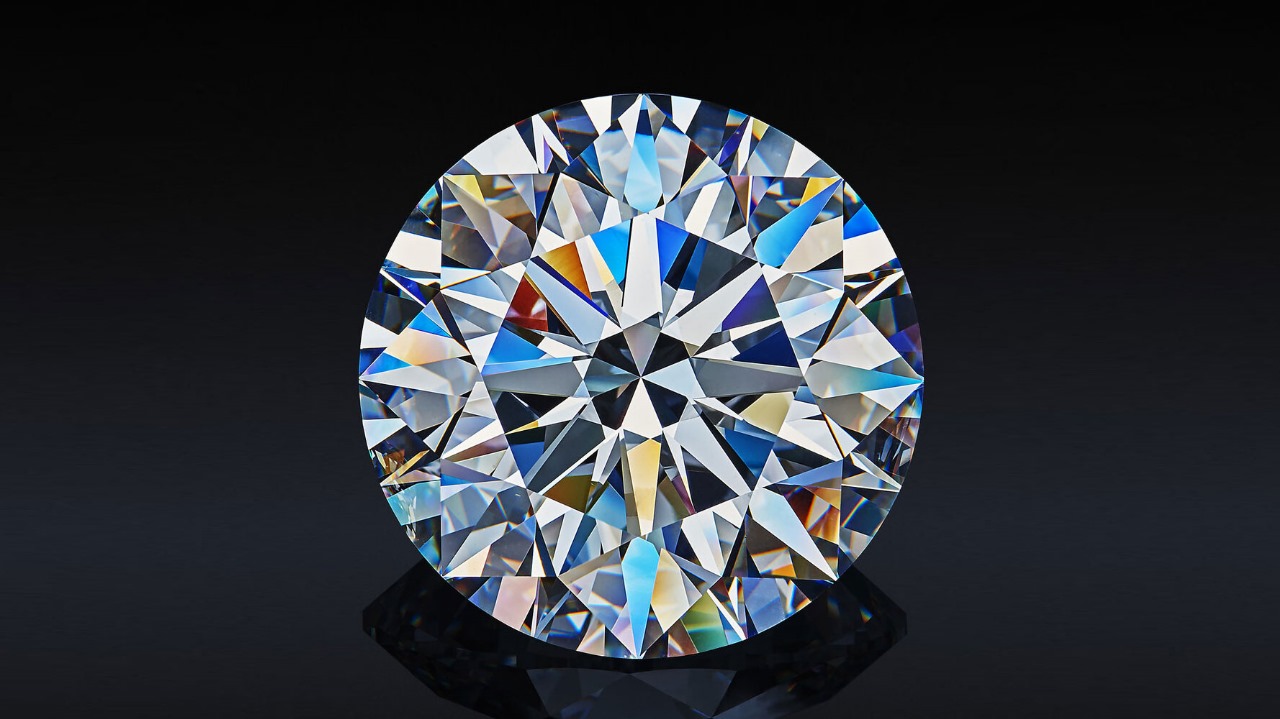
Understanding the diamond 4C is essential for anyone looking to purchase or invest in a diamond. The 4C stands for Cut, Color, Clarity, and Carat, which are the four main factors that determine a diamond's quality and value. In this article, we will break down each component of the diamond 4c and provide tips on how to choose the perfect diamond for your needs.
What Is Diamond 4C?
The diamond 4C is a standardized system created by the Gemological Institute of America (GIA) to grade diamonds objectively. Each “C” represents a critical aspect of a diamond’s overall quality. Understanding the diamond 4c system allows buyers to make informed decisions, ensuring that they get a high-quality diamond that meets their expectations. Whether you are buying a diamond engagement ring or a loose stone, knowing the diamond 4c is crucial.
Cut: The Sparkle Factor
The first element of the diamond 4c is Cut. Contrary to popular belief, Cut does not refer to the shape of the diamond but rather how well it has been shaped and faceted to reflect light. A well-cut diamond reflects light internally and externally, producing maximum brilliance and sparkle. The Cut grades range from Excellent, Very Good, Good, Fair, to Poor.
Choosing a diamond with an excellent or very good cut ensures that your diamond shines brilliantly. Even if a diamond has perfect Color or Clarity, a poor Cut can make it appear dull. Therefore, Cut is considered the most important of the diamond 4c.
Color: The Subtle Differences
The second component of the diamond 4c is Color. Diamonds are graded on a scale from D (colorless) to Z (light yellow or brown). Colorless diamonds are rarer and therefore more valuable. Slight differences in color can be hard to detect with the naked eye, but they significantly affect the price and desirability of a diamond.
When evaluating a diamond’s Color, it’s important to consider the setting and metal type. White gold or platinum settings can enhance the appearance of near-colorless diamonds. Understanding the Color in the diamond 4c system helps buyers choose a diamond that looks stunning without overpaying.
Clarity: Understanding Imperfections
Clarity measures the presence of internal inclusions or external blemishes in a diamond. The diamond 4c system grades clarity from Flawless (no inclusions or blemishes visible under 10x magnification) to Included (inclusions visible to the naked eye). Common clarity grades include Flawless (FL), Internally Flawless (IF), Very Very Slightly Included (VVS1 and VVS2), Very Slightly Included (VS1 and VS2), Slightly Included (SI1 and SI2), and Included (I1, I2, I3).
While inclusions may sound concerning, many minor inclusions are invisible without magnification and do not affect a diamond’s beauty. Understanding Clarity within the diamond 4c framework helps buyers prioritize what matters most for their budget and aesthetic preferences.
Carat: The Size Factor
Carat refers to the weight of the diamond, not its size. One carat equals 200 milligrams. Within the diamond 4c system, Carat significantly influences a diamond’s price, with larger diamonds being exponentially more expensive. However, Carat alone does not determine beauty. A smaller diamond with excellent Cut, Color, and Clarity can be more visually appealing than a larger diamond with poor grading in these areas.
When shopping for diamonds, it’s important to balance Carat weight with the other three Cs to get the best value. Understanding Carat within the diamond 4c system ensures that buyers make informed decisions without focusing solely on size.
How to Use the Diamond 4C for Buying
Using the diamond 4c as a guideline simplifies the buying process. Start by determining your budget and priorities. Decide which of the 4Cs matters most to you. If sparkle is your priority, focus on Cut. If size is important, consider Carat first but don’t compromise too much on Clarity and Color. Always request a GIA or equivalent certificate to verify the diamond 4c grading.
Common Mistakes to Avoid
Many buyers make mistakes when interpreting the diamond 4c. Common errors include overemphasizing Carat while neglecting Cut, assuming higher Color grades are always necessary, or ignoring minor inclusions that have little visual impact. Understanding the diamond 4c fully allows you to make smarter choices, balancing quality, appearance, and cost effectively.
Diamond 4C and Value
The diamond 4c is not just a guide to quality but also a benchmark for value. A diamond’s market price is determined by its grading in each of the 4Cs. By understanding how each C contributes to a diamond’s overall value, buyers can confidently assess pricing and negotiate effectively. Knowledge of the diamond 4c helps avoid overpaying and ensures satisfaction with your purchase.
Conclusion
Mastering the diamond 4c—Cut, Color, Clarity, and Carat—is essential for anyone looking to purchase a diamond. Each component affects the diamond’s beauty, quality, and value. By understanding the diamond 4c, buyers can make informed choices, ensuring they select a diamond that combines brilliance, elegance, and worth. Whether purchasing online or in a store, the diamond 4c system is your ultimate guide to finding the perfect diamond for your jewelry collection.