Introduction to Noise Impact Assessment
As urban development and industrial activities continue to rise, the pollutants in our environment have broadened beyond just physical substances to include sound. The growing concern for environmental noise has led to the necessity of a thorough noise impact assessment. This assessment serves as a fundamental instrument in gauging the effects of noise on human health, the surrounding ecosystem, and overall community well-being. Understanding what a noise impact assessment entails is crucial for developers, local authorities, and concerned citizens alike.
Definitions and Key Concepts
A noise impact assessment (NIA) evaluates the potential acoustic impacts of proposed projects or existing operations. It often involves the quantitative measurement of sound levels, qualitative assessments of noise sensitivity in surrounding areas, and comparisons against established standards to determine adverse effects. The assessment aims to identify specific sources of noise, the magnitude of their impact, and possible mitigation strategies to mitigate any negative repercussions.
The Need for Noise Impact Assessments
The need for noise impact assessments has become increasingly apparent due to several factors. Urbanization leads to higher population densities, and infrastructure development—including roads, public transport, and industrial sites—has created louder environments. In such settings, noise pollution emerges as a serious concern that can affect health, productivity, and quality of life. Therefore, performing comprehensive noise assessments ensures that negative impacts on communities are identified and addressed before a project goes forward.
Common Misconceptions
Despite their importance, several misconceptions surround noise impact assessments. A common myth is that they are only necessary for large infrastructure projects. In reality, even minor developments or changes in land use can necessitate an assessment if they are in proximity to noise-sensitive areas. Another misconception is that measuring sound levels is enough to assess noise impact; however, understanding the context, including the frequency, duration, and nature of noise, is critical to a complete assessment.
Components of Noise Impact Assessment
Several core components comprise an effective noise impact assessment, each interlinked to create a comprehensive view of acoustic impacts. These components are vital for ensuring that regulatory standards are met while safeguarding community interests.
Sound Measurement Techniques
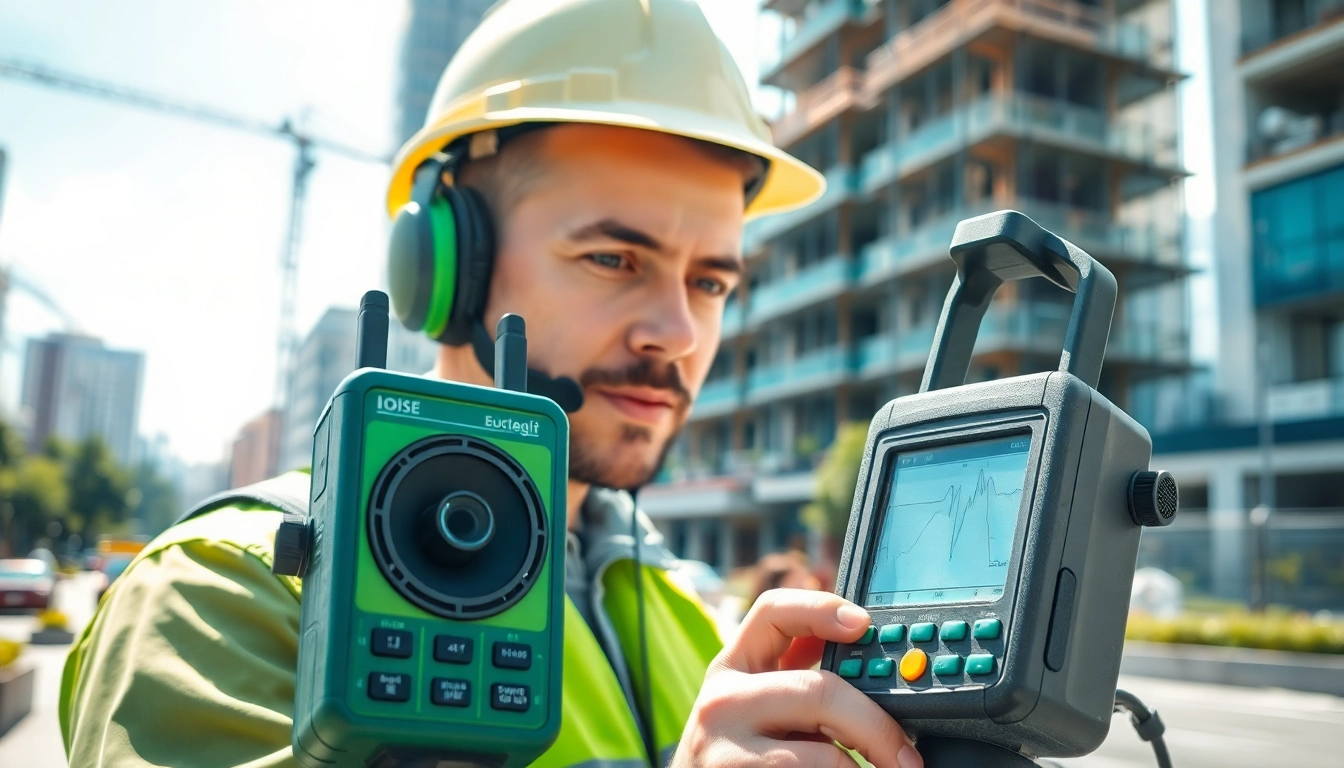
For any noise impact assessment to be effective, precise sound measurement techniques must be deployed. These techniques often include the use of sound level meters, which can be static or portable. Depending on the assessment’s scale, measurements are typically taken at various times of the day to capture peak, average, and quiet periods of noise activity. In addition, advanced technologies like dosimeters can facilitate long-term monitoring in environments where noise fluctuates significantly.
Data Collection and Analysis
Data collection is a cornerstone of any noise impact assessment. It typically involves systematic surveys to gather qualitative and quantitative data on noise levels and patterns. These surveys may include interviews with stakeholders, onsite monitoring, and assessments of existing environmental noise conditions. Following collection, data analysis methods often involve statistical evaluations and noise modeling to predict outcomes under various scenarios. This phase is crucial to deriving insights that lead to informed recommendations.
Report Findings and Recommendations
The culmination of a noise impact assessment is the reporting phase, where findings are synthesized into a comprehensive document. This report should outline noise levels, potential impacts, inclusive of any identified sensitive receptors, and recommendations for mitigation measures. Moreover, the report serves as an essential tool in communicating findings to stakeholders, including regulatory authorities and affected communities.
Legal and Regulatory Framework
Legal compliance is one of the most critical pieces of conducting a noise impact assessment. Various laws and guidelines at local, state, and federal levels dictate how noise is assessed and managed, ensuring adherence to community standards and expectations.
Permits and Compliance Requirements
Most jurisdictions have specific permit requirements that necessitate noise assessments as part of the project approval process. Compliance with noise regulations ensures that new projects do not contribute to unacceptable noise levels that could infringe on the rights of nearby residents and sensitive areas such as schools and healthcare facilities. Understanding these regulations from the outset facilitates smoother project execution and avoids potential legal disputes.
Local Authority Guidelines
Local authorities often provide specific guidelines to help developers understand noise-related assessments better. Such guidelines could establish permissible noise levels, acceptable frequencies, and time frames for noise generation. Familiarity with these guidelines ensures that assessments are not only compliant but also reflective of community needs and aspirations.
Impact on Project Approvals
The findings of a noise impact assessment can significantly influence the approval process for any development. If an assessment indicates that a project could generate disruptive noise, it might necessitate changes to project plans or the implementation of noise control measures. As such, early and thorough noise assessments can expedite approvals and contribute to more harmonious development processes.
Best Practices for Conducting Noise Impact Assessments
The effectiveness of a noise impact assessment largely relies on adherence to best practices that ensure accuracy and relevance. Following these practices can elevate the quality of assessments and produce better outcomes.
Preparing for an Assessment
Preparation for a noise impact assessment involves understanding both the scope and objectives. Identifying potential sources of noise and evaluating local noise regulations provides a solid framework for assessment. Engaging experts in acoustics or noise specialists at this initial stage can enhance the assessment's depth and breadth.
Stakeholder Involvement
Inclusive stakeholder engagement is a vital aspect, fostering transparency and community trust. By involving local residents, businesses, and authorities, assessors can gain valuable insights into the community’s perceptions of noise, which may not be reflected in quantitative data alone. This involvement often leads to more robust recommendations and consensus-driven solutions.
Strategies for Efficient Execution
Effective execution of a noise impact assessment hinges on employing suitable methodologies and technologies. Utilizing noise modeling software can facilitate anticipating potential impacts under various scenarios, creating more efficient and targeted assessments. Furthermore, clear project management protocols can keep all stakeholders informed and engaged throughout the process, ensuring a comprehensive approach.
Case Studies and Real-World Applications
Examining real-world applications of noise impact assessments helps to illuminate their significance and practical impact. These case studies serve as powerful tools for understanding both successes and challenges faced during the assessment process.
Success Stories
Numerous successful projects underscore the importance of thorough noise assessments. For instance, in urban residential developments near transit systems, comprehensive noise assessments have allowed developers to design effective sound barriers, ensuring that resident quality of life is maintained. Community-friendly designs developed in response to noise findings have garnered public support and enhanced the viability of projects.
Lessons Learned from Assessments
Lessons gleaned from the assessments also inform best practices. Projects that disregarded adequate noise assessments often faced significant pushback from residents, ultimately resulting in increased costs and modifications that could have been avoided. Lessons from these cases consistently emphasize the importance of early assessments and community engagement in anticipating and managing potential concerns.
Future Trends in Noise Impact Assessments
The field of noise impact assessments is evolving, influenced by technological advancements and growing awareness of public health implications. Emerging technologies, such as machine learning algorithms, are improving predictive modeling capabilities, while mobile apps are facilitating community engagement and live feedback on noise levels. As urban development continues to grow, the trend towards integrated, real-time assessments will only become more pronounced, leading to smarter, more responsive urban environments.