Understanding Railroad Maintenance
What is Railroad Maintenance?
Railroad Maintenance refers to the systematic approach taken to ensure the safety, reliability, and efficiency of rail infrastructure. This encompasses a variety of activities such as inspecting, repairing, and rehabilitating tracks, signals, and other essential components of the railway system. Effective Railroad Maintenance is critical to preventing accidents, extending the lifespan of railway assets, and enhancing overall operational performance.
Types of Railroad Maintenance
There are several key types of maintenance practices within railroad operations:
- Preventive Maintenance: Involves scheduled inspections and repairs designed to prevent failures before they occur.
- Corrective Maintenance: Reactive measures that address issues once they have been identified, often involving repair or replacement of components.
- Predictive Maintenance: Utilizes data and analytics to predict failures before they occur, allowing for timely interventions.
- Condition-Based Maintenance: Focuses on maintaining systems based on their current condition, optimizing resource usage and timing.
- Emergency Maintenance: Unplanned repairs that occur as a result of unexpected failures.
The Importance of Railroad Maintenance
The significance of railroad maintenance cannot be overstated. Regular maintenance is essential for ensuring safety, minimizing disruptions, and reducing long-term costs associated with repairs and downtime. It fosters operational reliability and promotes a safer journey for both passengers and freight. Furthermore, an effective maintenance strategy can extend the life of railway infrastructure, saving resources and improving overall efficiency.
Key Components of Railroad Maintenance
Tracking and Inspecting Infrastructure
Effective monitoring and inspection of railroad infrastructure are paramount to identifying areas that need maintenance. Using advanced technologies such as laser scanning and drone surveillance enables accurate assessments of the track condition. Regular inspections can identify flaws in the rail and track bed, ensuring timely interventions are made before issues escalate.
Rail and Tie Maintenance Strategies
Rails and ties form the backbone of any rail system. Maintenance strategies typically include:
- Rail Grinding: This technique is employed to restore the profile of rails, reducing wear and ensuring smooth operation.
- Tie Replacement: Old and damaged ties are replaced to maintain structural integrity and stability.
- Track Reconditioning: This process restores existing track to operational standards through alignment and surface rehabilitation.
Ballast and Drainage Management
Ballast serves as a support structure for rails, providing stability and proper drainage. Proper ballast management is critical; it includes regular tamping to ensure alignment and limiting vegetation growth that could compromise the track's integrity. Effective drainage management prevents water accumulation, which can weaken the foundation and lead to further track-related issues.
Technological Innovations in Railroad Maintenance
Modern Equipment and Tools
The evolution of railroad maintenance has been significantly enhanced by technological advancements. Tools such as ultrasonic rail testers and automated track inspection vehicles are instrumental in conducting rapid and precise evaluations of rail integrity. Furthermore, machinery such as rail grinders and ballast regulators has improved the efficiency and effectiveness of maintenance operations.
Integrated Maintenance Programs
Integrated maintenance programs combine various aspects of maintenance—from predictive analytics to hands-on repairs—creating a holistic approach to railroad upkeep. These programs ensure seamless communication between teams, improving coordination and execution of maintenance tasks. A comprehensive asset management system is often employed to track maintenance history and schedule corrective actions.
Data-Driven Decision Making
With the rise of big data, railroad maintenance can now utilize analytics to forecast issues and guide decision-making. By analyzing patterns in equipment wear and environmental impacts, rail operators can implement a more proactive maintenance approach. This shift not only optimizes resources but also significantly enhances overall safety and efficiency.
Best Practices for Effective Railroad Maintenance
Scheduled Maintenance vs. Reactive Maintenance
While scheduled maintenance is proactive and allows for planned downtime, reactive maintenance often leads to unexpected disruptions. Striking a balance between these two approaches is essential for operational efficiency. Implementing a scheduled maintenance regime backed by predictive technology reduces the need for reactive measures and minimizes unplanned outages.
Safety Protocols in Railroad Maintenance
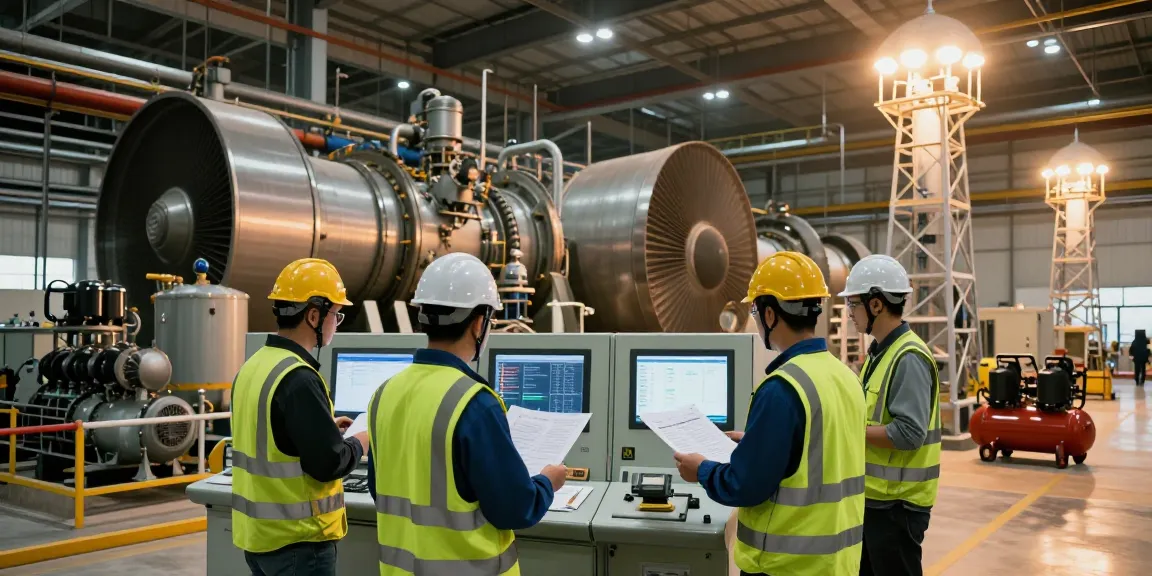
Safety protocols are a non-negotiable aspect of railroad maintenance. Strict safety guidelines for workers, including training in the use of personal protective equipment (PPE) and adherence to safety regulations, are vital. Regular safety drills and audits foster a culture of safety and preparedness among personnel, mitigating risks associated with maintenance activities.
Training and Workforce Development
Investing in workforce development is crucial for maintaining high standards in railroad maintenance. Providing continuous training programs focusing on emerging technologies, industry standards, and safety protocols ensures the workforce remains competent and efficient. Skilled personnel are better equipped to handle the complexities of modern railroad maintenance effectively.
Measuring Success in Railroad Maintenance
Performance Metrics and KPIs
Establishing performance metrics is essential for evaluating the effectiveness of maintenance strategies. Key performance indicators (KPIs) such as service interruption frequency, maintenance costs per mile, and work order response times provide tangible data on performance. Regular assessments of these metrics help identify areas for improvement and drive strategic decision-making.
Case Studies of Effective Maintenance
Audit case studies from various rail networks have demonstrated the benefits of adopting rigorous maintenance protocols. For example, a rail system that implemented a holistic maintenance model reported a 30% reduction in service disruptions over two years, directly correlating to improved reliability and customer satisfaction. Such case studies underscore the value of a proactive maintenance culture.
Continuous Improvement Strategies
Continuous improvement should be a cornerstone of railroad maintenance programs. Regular review of maintenance practices, incorporating employee feedback, and staying abreast of industry advancements fosters an environment of ongoing enhancement. Utilizing Lean principles can streamline processes, cutting costs while maximizing efficiency and safety.
FAQs about Railroad Maintenance
What is the primary goal of railroad maintenance?
The primary goal of railroad maintenance is to ensure safety, reliability, and efficiency of the rail infrastructure while extending its lifespan and reducing operational disruptions.
How often should railroad tracks be inspected?
Inspections should be conducted at least several times a year, depending on usage and environmental factors, to ensure safety and identify maintenance needs early.
What are the most common problems detected in railroad maintenance?
Common problems include track wear, ballast degradation, and rail alignment issues, which can lead to unsafe conditions if not addressed promptly.
What technologies are used for railroad maintenance?
Technologies such as ultrasonic testing, drone inspections, and automated track inspection vehicles are increasingly utilized for efficient monitoring and evaluation.
How can rail companies improve maintenance efficiency?
Rail companies can improve maintenance efficiency by implementing data analytics, adopting integrated maintenance programs, and investing in employee training for modern tools and safety practices.