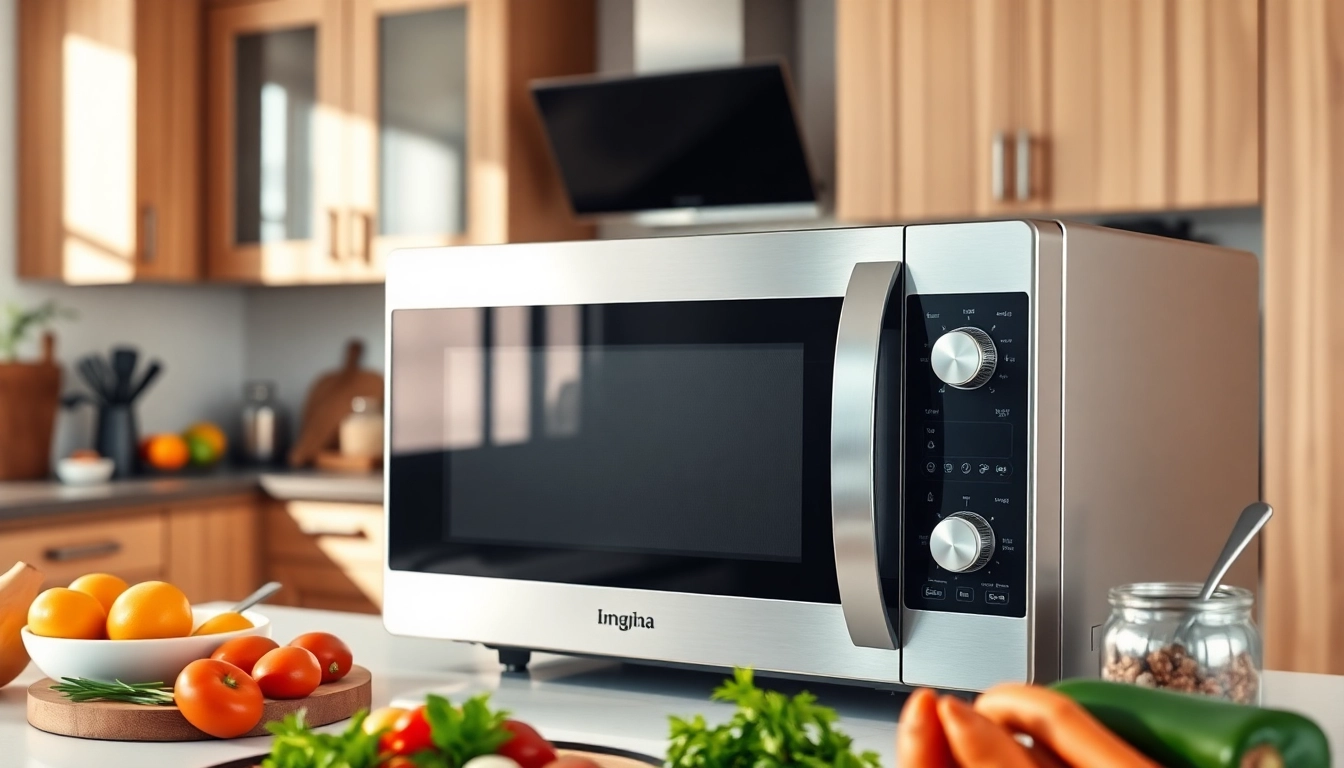
Understanding Microwave Oven Types
Microwave ovens have revolutionized the way we cook by providing a quick and efficient heating solution for our food. When it comes to selecting a microwave oven, it's essential to understand the various types available, as each has unique features and benefits that cater to different cooking needs. In this section, we will explore the three primary types of microwave ovens: countertop, over-the-range, and built-in models.
Countertop Microwave Oven
The countertop microwave oven is perhaps the most common and easily recognizable type of microwave oven. These units are designed to sit on kitchen counters and are available in various sizes, colors, and styles to fit your kitchen décor. Microwave oven in this category is usually lightweight, portable, and user-friendly, making them ideal for those who prioritize convenience and speed in their cooking. Many countertop models also come with numerous features, such as pre-programmed settings for popular food items, defrost capabilities, and varying power levels.
Over-the-Range Microwave Oven
Over-the-range microwave ovens are designed to be installed above the kitchen range or cooktop. In addition to their cooking capabilities, these models often function as a range hood, providing ventilation and eliminating smoke and odors created during cooking. This is a great space-saving solution for smaller kitchens. Many over-the-range microwaves feature built-in lights, exhaust fans, and additional sensor cooking settings.
Built-In Microwave Oven
Built-in microwave ovens are designed to be integrated into your kitchen cabinetry, providing a seamless look. These units can be installed at a convenient height, making them easier to access than countertop models. Built-in microwaves typically offer a more sophisticated aesthetic and may have features that accommodate larger cooking needs such as multi-stage cooking, convection cooking, and grill capabilities.
Key Features to Consider in a Microwave Oven
Choosing the right microwave oven involves more than understanding the types. It's equally important to consider the key features that can determine functionality, efficiency, and user experience. Here are some of the vital features to look for:
Power Ratings and Cooking Performance
Power ratings, measured in watts, play a crucial role in determining the microwave oven's cooking performance. Most home microwave ovens range from 600 to 1200 watts. Higher wattage often means faster cooking times and more even heating. When considering power, keep in mind your cooking habits and meal preparation requirements. If you mostly reheat food, lower wattages may suffice, but if you're focused on cooking meals, higher wattages are preferable.
Size and Capacity Options
Microwave ovens come in various sizes and capacities, which should be carefully considered based on available kitchen space and your cooking needs. Consider both the internal capacity (measured in cubic feet) and the exterior dimensions. Larger capacities, usually between 1.5 to 2.2 cubic feet, are ideal for families or those who frequently use large containers, while smaller, compact options may be suitable for dorms or small kitchens.
Control Panels and Interface
A well-designed control panel can significantly enhance user experience. Look for intuitive interfaces that offer easy access to functions. Digital panels provide clearer settings and often come with features such as a timer, cooking presets, and auto-cook functions. Ensure that the buttons are large enough, and consider backlit options for ease of use in dim environments.
Benefits of Using a Microwave Oven
While the functionality of a microwave oven is evident, its benefits go beyond just quick cooking times. Let's explore some advantages that microwave ovens offer:
Faster Cooking Times
The primary benefit of any microwave oven is its ability to cook or reheat food quickly. Microwaves work by agitating water molecules in food using electromagnetic radiation, producing heat instantaneously. This makes them ideal for busy lifestyles, allowing for meal preparation in minutes instead of hours.
Energy Efficiency Compared to Conventional Ovens
Microwave ovens are generally more energy-efficient than conventional ovens. They require less energy, produce less heat, and can often cook food faster, leading to considerable savings in power bills. If you're environmentally minded or simply looking to reduce energy consumption, opting for a microwave oven can be a wise choice.
Diverse Cooking Features
Modern microwave ovens come packed with features to expand cooking potential. From convection settings for baking to grilling for crisping up foods, microwaves have evolved into versatile cooking appliances. Many models also offer features like steam cooking, which preserves nutrients and flavors.
Common Challenges with Microwave Ovens
Despite their many advantages, microwave ovens do come with their own set of challenges. Understanding these challenges and knowing how to address them can enhance your cooking experience:
Uneven Cooking and Heating
A common issue with microwave ovens is uneven cooking or heating due to the nature of microwave energy distribution. To combat this, using turntables is advisable, and covering food with a microwave-safe lid can help trap steam and promote even cooking. Regularly rotating or stirring food during the cooking process ensures consistent results.
Cleaning and Maintenance Tips
Keeping a microwave oven clean can be challenging, especially when food spills occur. To maintain hygiene, regularly wipe down the interior with a mixture of water and vinegar or use microwave-safe cleaning solutions. For stubborn stains, heating a bowl of water with lemon for a few minutes can loosen grime and make cleanup easier.
Understanding Safety Features
Modern microwave ovens come equipped with several safety features, including child locks, automatic shut-off functions, and sensor cooking. Familiarize yourself with these features to ensure safe operation. Adhering to guidelines such as not using metal containers and ensuring proper ventilation can also prevent hazards.
FAQs about Microwave Ovens
What is the ideal wattage for a microwave oven?
The ideal wattage depends on your cooking needs. A range of 800-1000 watts is typically sufficient for most households. For more extensive cooking, consider models with 1200 watts or higher.
Can you put metal in a microwave oven?
Generally, placing metal objects in a microwave oven is not advisable, as it can cause sparks, fires, or damage. Always use microwave-safe containers.
How do you clean a microwave oven effectively?
Cleaning can be done using a mix of water and vinegar or lemon. Heat it up in a bowl for 5-10 minutes, then wipe the interior with a cloth. Regular cleaning prevents buildup.
What size microwave oven should I choose for my kitchen?
Choose a size based on your kitchen space and cooking habits. A 1.5-2.2 cubic feet model is ideal for families; smaller sizes work well for individuals or couples.
Are there any health risks associated with microwave ovens?
Microwave ovens are generally safe. However, ensure proper use to prevent overheating food and follow safety guidelines to avoid risks of burns or fires.