Introduction to Fly Fishing Boots
When it comes to enjoying a successful day on the water, having the right gear is essential. Among the gear that anglers need, Fly fishing boots play a crucial role. These boots not only provide comfort but also offer necessary support and protection while wading through various terrains. In this article, we will delve into the different aspects of fly fishing boots, including their features, materials, fit, maintenance, and recommendations for various fishing conditions.
What Are Fly Fishing Boots?
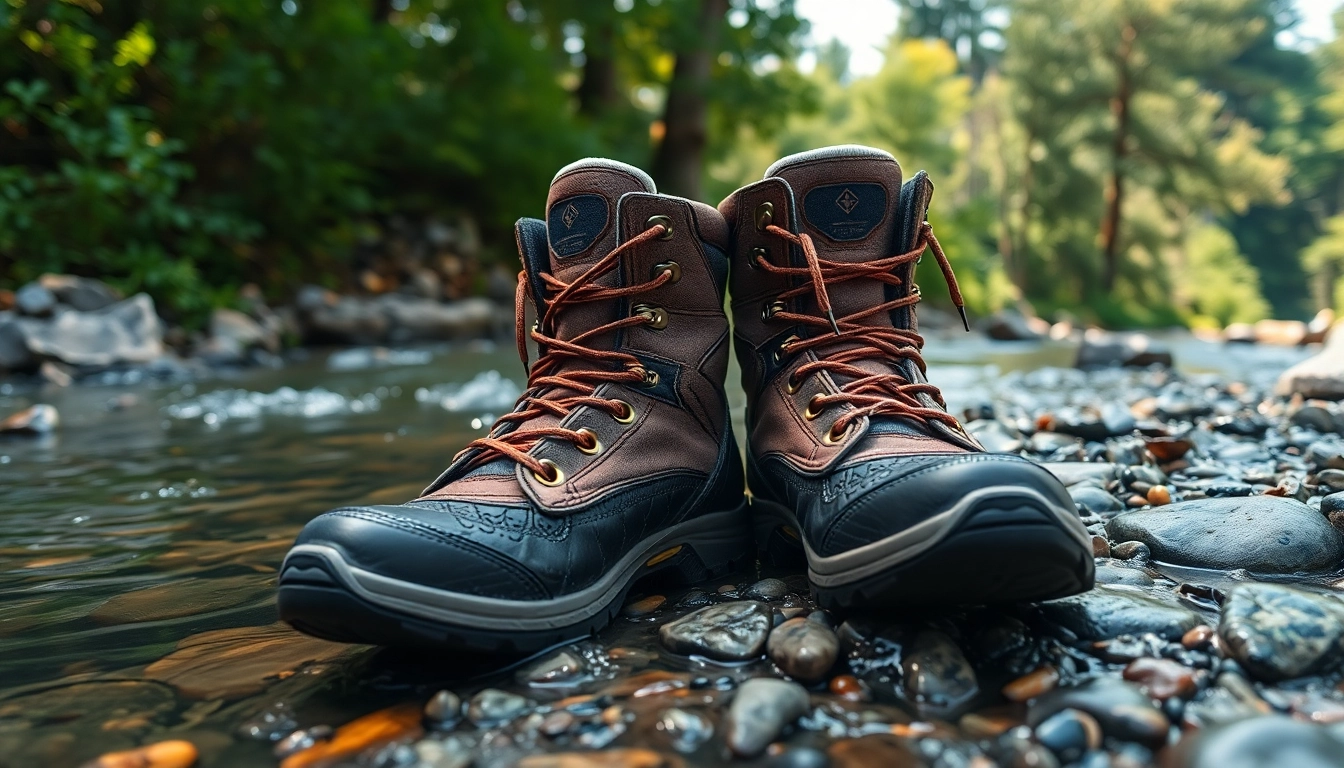
Fly fishing boots are specialized footwear designed for anglers who wade into water while fishing. They are constructed to handle both wet conditions and rugged terrains, providing support and traction when navigating slippery rocks, muddy banks, and other challenging environments. These boots often incorporate features that help keep your feet dry and comfortable, allowing you to focus on your fishing experience rather than worrying about your footing.
Key Features to Look For
Choosing the right pair of fly fishing boots involves understanding some key features that enhance performance:
- Traction Soles: The best fly fishing boots have soles designed for grip, with options ranging from felt to rubber for different conditions.
- Durability: Quality boots are made with robust materials designed to withstand wear and muscle tough environments.
- Comfort: Look for cushioned insoles and ergonomic designs that provide comfort during long hours of use.
- Waterproofing: Reliable boots will feature waterproof materials that keep your feet dry regardless of water splashes or immersion.
- Ankle Support: Adequate ankle support prevents injuries and provides stability on uneven surfaces.
Benefits of Quality Fly Fishing Boots
Investing in quality fly fishing boots brings numerous benefits:
- Enhanced Safety: Proper traction reduces the risk of slipping and falling.
- Improved Comfort: Quality construction minimizes fatigue, allowing for longer fishing sessions.
- Protection: These boots protect your feet from sharp objects, cold water, and other hazards found in rivers and lakes.
- Versatility: Many fly fishing boots can be adapted for various conditions, whether freshwater or saltwater fishing.
Types of Fly Fishing Boots Materials
Rubber vs. Felt Soles
The choice between rubber and felt soles is often debated among anglers:
- Rubber Soles: These provide excellent traction on slippery surfaces and can be used on a wide variety of terrains, including rocky riverbeds. They are easier to clean and do not absorb water, which makes them a good option for saltwater fishing.
- Felt Soles: Preferred for freshwater fishing, felt soles excel on slippery, mossy rocks. They offer superior grip but tend to harbor organisms between bodies of water, leading to environmental concerns.
Waterproofing Technologies
Many modern fly fishing boots utilize advanced waterproofing technologies, such as:
- Gore-Tex: A popular choice due to its waterproof and breathable properties, Gore-Tex keeps feet dry from both external water and sweat.
- Neoprene: Commonly used in wet wading boots, neoprene provides insulation and is often waterproof, but it can become hot in warmer weather.
Assessing Durability and Comfort
When selecting boots, evaluate their durability through customer reviews and expert recommendations. Look for models with reinforced toes and heels, heavy-duty materials, and strong stitching. Comfort can be assessed by trying on boots with the socks you plan to wear, ensuring they fit snugly without being too tight.
Choosing the Right Fit for Fly Fishing Boots
Measuring Your Foot for the Perfect Fit
Getting the right size is critical. Measure your feet in the afternoon when they are likely to be slightly swollen. Use a ruler or a measuring tape to note both the length and width. Comparing these measurements to size charts provided by the manufacturer will help ensure a proper fit.
Considering Sock Thickness
Thicker socks may provide additional cushioning and warmth, particularly in colder waters. Always try on your boots with the socks you plan to use to ensure a comfortable fit without unnecessary tightness.
Importance of Ankle Support
Boots with strong ankle support are essential for stability and preventing injuries when wading through uneven terrain. Look for boots that encase the ankle securely without restricting movement.
Maintaining Your Fly Fishing Boots
Cleaning and Drying Techniques
After each fishing trip, rinse your boots with fresh water to remove mud, sand, and salt. Allow them to dry in a cool, shaded area away from direct sunlight to prevent material degradation. For tougher stains, use a soft brush and mild soap.
Inspecting for Wear and Tear
Regular checks for signs of wear, such as cracks or delaminated seams, can prevent unexpected failures while out in the field. Pay special attention to soles and common stress points.
Storage Tips for Longevity
Store your boots in a dry place, ideally in a breathable bag or a well-ventilated area. Avoid placing heavy objects on top of them, as this can cause deformation over time.
Recommendations for Selecting Fly Fishing Boots
Top Features for Various Fishing Conditions
Different conditions may require specific features in your boots:
- Cold Water Fishing: Insulated boots can help maintain warmth, while waterproof materials are essential.
- Heavy Current: Select boots with excellent traction and ankle support to navigate safely.
- Wet Wading: Consider lightweight models with quick-drying materials for comfortable wet wading in warmer weather.
Price Ranges and Budget Options
Fly fishing boots can vary widely in price, typically ranging from budget options to high-end specialty footwear. It's important to find a pair that offers the best balance between quality and cost. A mid-range pair often provides reliable performance without breaking the bank.
Reviews and Buyer Feedback
Before making a purchase, reading reviews from fellow anglers can provide valuable insights. Look for feedback on comfort, durability, and performance in real-world conditions to help guide your decision.