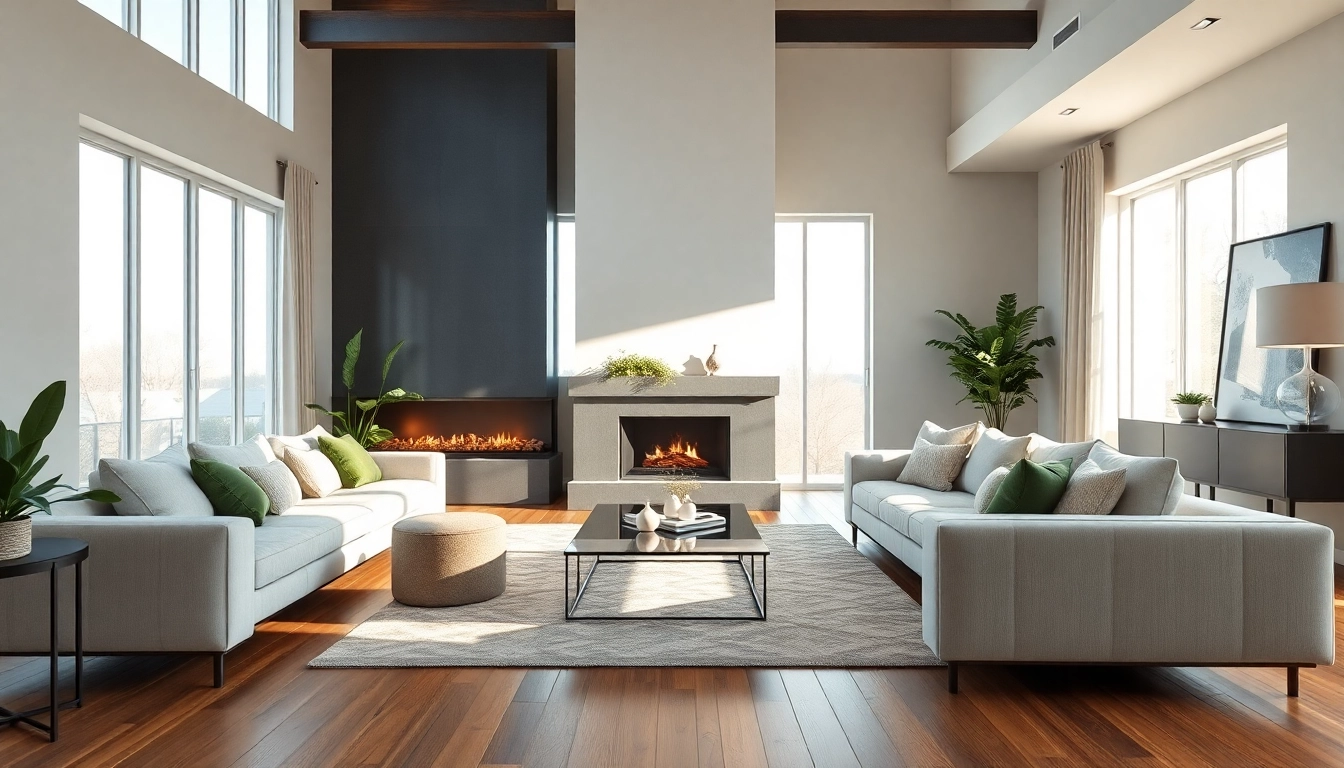
Understanding the Basics of Home Renovation
Home renovation refers to the process of improving and updating a home, either to increase its value or to create a more modern living space that meets the needs of its inhabitants. This practice can encompass various projects, from simple cosmetic upgrades to extensive structural changes. As such, Home renovation is an integral aspect of home ownership, allowing individuals to customize their living environments and enhance their overall quality of life.
What is Home Renovation?
Home renovation is more than just a series of aesthetic updates; it involves a comprehensive transformation of the home, addressing its physical aspects as well as functionality. Whether it’s modernizing the kitchen for efficiency, reconfiguring the layout of living spaces, or updating outdated fixtures, renovations can serve to adapt homes to the evolving needs of their occupants.
Common Home Renovation Goals
Renovation projects typically center around several key goals that may include:
- Enhancing space utilization, making homes more functional.
- Increasing property value through strategic updates.
- Updating outdated designs and systems for better aesthetics and efficiency.
- Improving energy efficiency and reducing utility costs through modern insulation, windows, and appliances.
Types of Home Renovations
Home renovations can be categorized in various ways, often reflecting the scope and intent of the project:
- Cosmetic Renovations: These involve minor aesthetic changes, like painting walls, changing hardware, or updating fixtures.
- Structural Renovations: Involve making changes to the physical structure of the home, such as removing walls or adding rooms.
- System Renovations: Focus on upgrading essential systems, including plumbing, electrical, and HVAC.
- Outdoor Renovations: Include landscaping, patios, decks, and external facades, creating outdoor living spaces.
Planning Your Home Renovation Project
Successful home renovation requires thorough planning and preparation. A well-rounded plan not only ensures that your vision is realized but also mitigates potential issues during the renovation process.
Setting a Realistic Budget for Home Renovation
Establishing a budget is one of the first steps in planning your home renovation. It should cover all anticipated costs, including materials, labor, permits, and contingencies for unexpected expenses. To set a realistic budget:
- Conduct thorough research on average costs for your desired renovations.
- Prioritize projects based on necessity and impact.
- Include a buffer of at least 10-20% to handle unforeseen costs.
Hiring Professionals or DIY?
The decision to hire professionals or undertake a DIY approach largely depends on the complexity of the project and your own skills. For major renovations involving structural changes, electrical, or plumbing work, hiring qualified professionals is critical. Conversely, small cosmetic updates may be suitable for DIY if you have the required skills. Consider the following:
- Assess your own skill level and comfort with undertaking specific tasks.
- Evaluate the time you can allocate to the project against hiring professionals.
- Get quotes from several contractors to compare costs and expertise.
Creating a Timeline for Your Home Renovation
Every renovation project should have a clear timeline to keep it on track and manage expectations. The timeline should account for each project phase, including planning, design, obtaining permits, construction, and final inspections. Key aspects to consider include:
- Developing a detailed scope of work to estimate the timeframe for each phase.
- Building in time for potential delays, particularly when waiting for materials and permits.
- Setting milestones to track progress through each phase to maintain motivation and accountability.
Design Considerations for Home Renovation
Design plays a crucial role in home renovations as it directly affects the functionality and aesthetics of the space. A well-planned design integrates both style and practicality.
Choosing the Right Style and Aesthetics
When renovating, it's essential to decide on a style that reflects your personal taste while also complementing the home's architecture. Popular design styles include:
- Modern: Clean lines and minimalistic details.
- Traditional: Classic elements and rich textures, often using warm color palettes.
- Industrial: A raw, edgy style emphasizing materials like wood, metal, and concrete.
- Eclectic: A mix of styles creating a unique and personalized space.
Incorporating Functionality into Home Renovation
Functionality should never be overlooked in the pursuit of style. The interior layout should cater to the needs of the inhabitants while ensuring seamless flow throughout the space. Considerations include:
- Utilizing an open floor plan to enhance space and light for communal areas.
- Incorporating storage solutions to reduce clutter and maintain organization.
- Designing multi-functional spaces that serve dual purposes, especially in smaller homes.
Sustainable Practices in Home Renovation
With increased awareness of environmental impact, incorporating sustainable practices in home renovation is essential. This entails using eco-friendly materials, installing energy-efficient appliances, and ensuring proper insulation. Steps to achieve sustainability include:
- Choosing materials with lower environmental footprints, such as reclaimed wood and low-VOC paints.
- Incorporating energy-efficient systems like solar panels and high-efficiency HVAC units.
- Employing sustainable landscaping practices to enhance outdoor spaces.
Navigating Challenges in Home Renovation
Despite thorough planning, unexpected challenges can arise during the renovation process. Understanding potential obstacles can help homeowners prepare and manage them effectively.
Common Obstacles During Home Renovation
Several common challenges often emerge during renovations:
- Delays in project timelines due to issues such as permit approvals or supply chain disruptions.
- Budget overruns caused by unexpected repairs or price increases in materials.
- Disruptions to daily life, particularly in case of extensive remodels.
Solutions to Home Renovation Problems
To address challenges, homeowners can adopt proactive strategies:
- Establish clear communication with contractors and stakeholders to stay ahead of potential delays.
- Utilize contingency funds wisely to handle unexpected expenses without derailing the project.
- Schedule renovation work strategically to minimize disruption to your living environment.
Preparing for the Unexpected in Home Renovation
Resilience is critical in home renovation, as the ability to adapt to unforeseen circumstances can make a significant difference. Key steps include:
- Drafting a detailed and clear contract with your contractor that includes provisions for dealing with unforeseen issues.
- Regularly reviewing the progress and adjusting plans as necessary.
- Engaging professional help in areas that may go beyond your skill level to reduce the number of surprises.
Measuring Success in Home Renovation
Once renovations are complete, assessing the outcomes is crucial to understanding the impact of your efforts. Success can be determined through various measures.
Evaluating the Impact of Your Home Renovation
Post-renovation evaluations should focus on functionality, aesthetics, and overall satisfaction with the changes made. Consider the following:
- Assess whether the renovations meet the original goals set at the beginning of the project.
- Gather feedback from family members or other inhabitants to understand their perspectives on the changes.
- Investigate local market trends to see how your renovations may have impacted your property’s value.
Gathering Feedback After Home Renovation
After completing a renovation, it’s beneficial to gather feedback from those who live in the space. This can include:
- Conducting informal discussions with family or housemates to understand their thoughts on the changes.
- Creating satisfaction surveys to quantify responses to various aspects of the renovation.
- Utilizing social media or community forums to gather wider community opinions if you are proud of your work.
Planning for Future Home Renovations
Successful renovations not only enhance the current living space but can also lay the groundwork for future improvements. Homeowners should consider:
- Documenting lessons learned during the project to inform future renovations.
- Continuously saving for subsequent renovation projects to ensure a smoother process in the future.
- Maintaining a flexible mindset, ready to implement changes as needs evolve.