
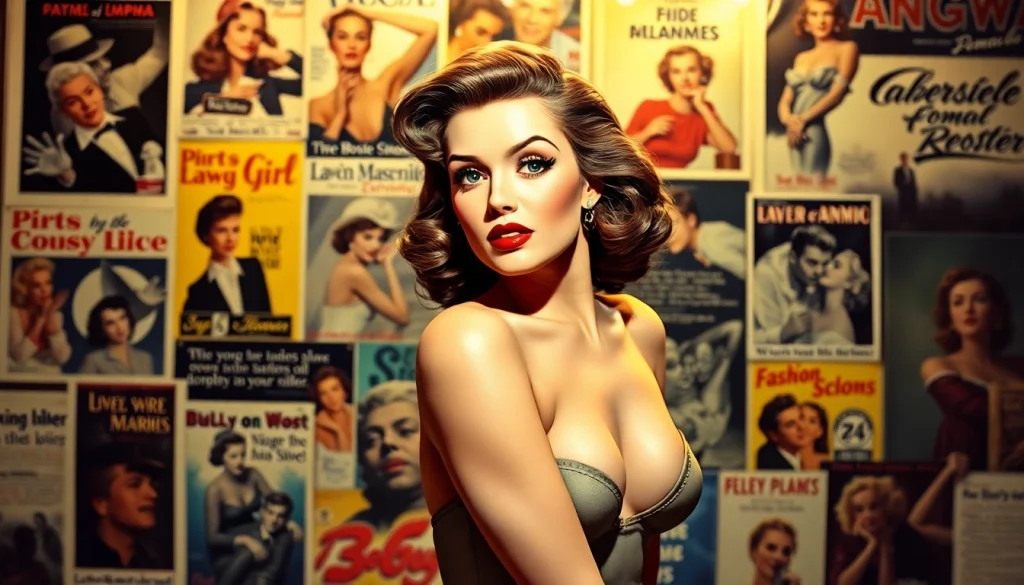
The Legacy of Alberto Vargas and His Varga Girls
Alberto Vargas is a name synonymous with the golden age of pin-up art, leaving an indelible mark on the cultural fabric through his iconic Varga Girls. Emerging into prominence during the 1940s, Vargas crafted images that celebrated the allure of femininity with a unique twist, blending sensuality with sophistication. His depictions appealed not just to desire, but also to an artistic sensibility that brought forth a new wave of appreciation for the female form in fine art. As we delve deeper into his legacy, it becomes evident that Vargas’s contributions transcend mere imagery; they encompass social commentary, exploration of feminine identity, and a rich interaction with the cultural milieu of his time. To appreciate the full impact of Vargas’s work, one must first understand the intrinsic qualities that defined his artistic style.
Understanding Varga’s Unique Artistic Style
Vargas’s artistic style is characterized by its stunning realism, vibrant color palettes, and meticulous attention to detail. Combining traditional painting techniques with innovative airbrushing, Vargas produced works that seemed to leap from the canvas, enveloping viewers in their vivacity. His girls, often depicted in suggestive yet tasteful poses, showcase an idealized version of femininity marked by grace, beauty, and a hint of playful mystery. This delicate balance allowed Vargas to encapsulate an eroticism that resonated within the context of the World War II era, offering a visual respite from the harsh realities of life. The “Varga Girls,” as they became known, weren’t just pin-ups; they symbolized glamor and an escape into a world of idealized beauty. Each piece is a testament to Vargas’s mastery, revealing a thoughtful consideration of composition, color, and light.
The Influence of 1940s Culture on Vargas’ Work
The 1940s were marked by turmoil and transformation—a canvas for artistic expression that captured the complexities of the time. The effects of World War II permeated all aspects of life, reshaping societal norms, including representations of women. Vargas’s work emerged as a counterpoint to the war’s chaos, exuding optimism and charm. Women were becoming more visible in society as they took on roles traditionally held by men, and Vargas’s art reflected this newfound empowerment. The Varga Girls embraced both sensuality and strength, embodying a modern woman who was independent yet still celebrated her femininity.
Vargas’ Contributions to Feminine Representation in Art
In a profoundly male-dominated art world, Vargas’s work provided a refreshing perspective on the feminine experience. His pin-ups, although inherently sexualized, challenge the viewer to appreciate their artistry rather than merely objectifying them. Vargas painted women who were confident, playful, and fully realized individuals, not just mere fantasies. This representation paved the way for future generations of artists to explore and express femininity on their own terms. The power of Vargas’s work lies in its ability to ignite dialogue about beauty standards and the evolving nature of femininity—not as an object to be gazed upon but as a facet of human experience worthy of exploration.
Analyzing Key Characteristics of Varga’s Pin-Ups
Cultural Impact of the Varga Girl Icon
The Varga Girl transcended her role as a mere artistic figure; she became a symbol of wartime morale and a cultural icon that resonated with the American public. Over time, the image of the Varga Girl influenced fashion, photography, and advertising, creating a cultural phenomenon that characterized the pin-up genre. As soldiers pinned these images to their bunks, they elicited not just desire but nostalgia for home, representing comfort and beauty in tumultuous times. This pervasive impact showcases the Varga Girl as a harbinger of change—a figure who broke barriers and transformed how femininity was portrayed across various media.
Signature Elements: Pose, Composition, and Color
One cannot discuss Vargas’s work without delving into the signature elements that define his pin-ups. Vargas employed dynamic poses that celebrated the human form, capturing the essence of allure without resorting to vulgarity. The composition of his works often centers around the figure, masterfully utilizing negative space to enhance the subject’s visual impact. Vargas’s strategic use of color further elevates his subjects, employing soft pastels alongside bold accents to create a striking contrast that draws the viewer’s eye. This diligence to pose, composition, and color not only highlights Vargas’s technical prowess but also his deep understanding of how art evokes emotion.
Exploring the Evolution of Vargas’ Technique
Throughout his career, Vargas’s artistic technique evolved, reflecting both personal growth and changing cultural landscapes. Early works lean toward more conventional depictions of women, infused with a sense of modesty and elegance reflective of the pre-war era. However, as his career progressed, his style became increasingly adventurous, embracing bolder compositions and a heightened sense of eroticism. By the late 1940s, Vargas was adept at blending realism with fantasy, producing images that were not only visually stunning but also deeply evocative. This evolution is significant in understanding how his art not only mirrored but also influenced societal perceptions of beauty and femininity.
Collecting and Appreciating Vintage Vargas Artwork
How to Identify Authentic Vargas Pieces
For collectors, identifying authentic Vargas pieces can be both a rewarding and challenging endeavor. Original Vargas artworks, particularly those featured in https://www.esquirevargas.com, typically display a distinct style characterized by a specific brushwork technique that blends oil painting with airbrushing. Collectors should look for the signature ‘Vargas’ on the lower edge of the piece and familiarize themselves with known editions featured in publications like Esquire. Additionally, seeking documentation from reputable galleries or auction houses can help substantiate authenticity.
The Value of Collecting Mid-Century Art
Investing in mid-century art, particularly works by Alberto Vargas, presents both aesthetic and financial value. As the demand for vintage artwork increases, Vargas pieces have markedly appreciated, making them not just decorative items but wise financial investments. Collectors are drawn to Vargas not only for the whimsical beauty of his work but also the rich historical context that accompanies it. Understanding the nuances of mid-century art can enhance appreciation and inform better collecting strategies, from attending exhibitions to networking with fellow enthusiasts.
Maintaining and Displaying Vintage Artworks
Proper maintenance and display are crucial in preserving the integrity and aesthetics of vintage Vargas pieces. Experts recommend displaying artworks in conditions free from extreme temperatures, humidity, and direct sunlight to prevent fading and deterioration. To further enhance their appeal, collectors might consider professional framing options that not only highlight the piece’s character but also offer protection. Regular cleaning, along with consultations with art conservators, can ensure that these artistic treasures remain vibrant for generations to come.
Modern Filter: How Vargas’ Style Inspires Contemporary Artists
The Influence of Pin-Up Culture in Today’s Art Scene
The legacy of Vargas extends beyond the confines of his time, influencing myriad contemporary artists who draw on the pin-up culture he helped popularize. Today’s artists often revisit the themes of glamour and femininity exemplified by Vargas, infusing modern techniques and dialogues into their interpretations. The resurgence of interest in vintage aesthetics, coupled with the robust pin-up revival seen in fashion and media, highlights how Vargas’s artistic language has persisted, inviting reinterpretation and dialogue among new artists.
Balancing Tradition with Modern Aesthetics
Contemporary artists inspired by Vargas grapple with the challenge of balancing traditional elements of pin-up art with modern aesthetics and societal themes. This tension encapsulates a broader conversation about how femininity, empowerment, and desire are depicted in art today. Many artists navigate this space by embracing diversity in representation, reflecting a more comprehensive understanding of beauty that encompasses various body types, ethnicities, and identities—an evolution from the singular ideal often portrayed in Vargas’s time.
Artists Influenced by Vargas’ Techniques and Themes
A variety of contemporary artists have drawn inspiration from Vargas’s techniques and themes, each contributing unique interpretations that offer new insights into the feminine form. Some have adopted his airbrushing methods, while others explore themes of femininity, identity, and sexuality through their medium. The appeal of Vargas’s work continues to resonate in modern illustrations, photography, and multimedia art, reinforcing the timelessness of his vision and the relevance of the conversations started by his art.
Resources for Fans and Collectors of Vargas Art
Books and Exhibition Catalogs About Alberto Vargas
For enthusiasts and collectors seeking to deepen their understanding of Alberto Vargas and his work, there exists a plethora of books and exhibition catalogs dedicated to his artistic journey. Titles exploring his biography, techniques, and artistic impact can enrich one’s appreciation and provide context for his major works. Academic publications also offer critiques and analyses of Varga’s contributions within broader artistic movements, which can be valuable for collectors looking to place their purchases in a cultural framework.
Online Platforms for Buying and Selling Vargas Artwork
As interest in Vargas continues to grow, numerous online platforms cater to buyers and sellers of his artwork. Auctions, marketplaces, and specialized galleries now feature Vargas art prominently, providing collectors with various options in terms of opportunity and pricing. Engaging with these platforms not only enables collectors to acquire authentic vintage pieces but also allows them to sell or trade within a community of like-minded individuals passionate about Vargas’s legacy.
Connecting with Vargas Art Communities and Collectors
Connecting with fellow Vargas art enthusiasts is crucial for both learning and appreciation. Online forums, social media groups, and collector fairs serve as vital venues for sharing insights, trading art, and discussing purchasing experiences. Engaging with these communities can foster relationships that deepen the collectors’ journeys while also allowing them to celebrate the vibrancy and history of Vargas’s artistic legacy together.