Understanding Massachusetts Residential Architecture
Massachusetts is not only known for its rich historical background but also for its diverse architectural styles that reflect the state’s evolution while showcasing its unique identity. Understanding the nuances of Massachusetts residential architecture gives homeowners, architects, and enthusiasts insight into design principles and inspirations that can inform future projects. Let’s delve into the details that make this region’s architecture special.
Historical Influences on Architecture
The architectural landscape of Massachusetts has been shaped by its historical influences, which can be traced back to the early colonial days. The Pilgrims brought their European designs and combined them with local materials to create functional homes that adapted to the local environment. Notable among these is the Colonial style, characterized by symmetry, simplicity, and practicality, which set the groundwork for various architectural movements that followed.
In the 19th century, the influence of Victorian architecture emerged, introducing ornamental designs and vibrant colors. This period saw the construction of extravagant brownstones and ornate mansions, particularly in cities like Boston. Different styles, such as the Georgian and Federalist designs, further enhanced the array of choices available to homeowners.
The 20th century ushered in modernism, emphasizing function over form and leading to simpler, cleaner lines and the use of new materials such as steel and glass. This transition marked a significant departure from traditional aesthetics and began to define contemporary designs seen in modern Massachusetts homes.
Modern Trends in Design
Today, modern design in Massachusetts often blends traditional elements with contemporary aesthetics, favoring open floor plans and energy-efficient frameworks. One notable trend is the incorporation of technology into residential architecture, featuring smart home systems that enhance convenience and security.
Another rising trend is the focus on sustainability. Massachusetts homeowners increasingly seek out energy-efficient designs, which not only reduce utility costs but also align with environmental stewardship. Utilizing solar panels, green roofs, and sustainable materials, modern Massachusetts residential architecture tells a story of ecological mindfulness while remaining stylish.
Key Features of Local Homes
When considering Massachusetts residential architecture, several hallmark features come to mind. These include:
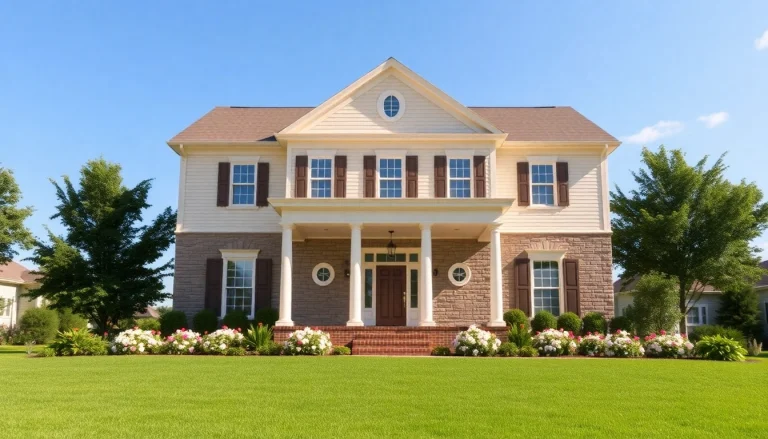
- Gabled Roofs: A feature common among Colonial and Cape Cod-style homes, providing aesthetic appeal and effective water drainage.
- Porches: Many Massachusetts homes feature inviting porches that encourage outdoor living and social interaction.
- Brick and Wood Exteriors: Reflecting historical influences, many homes showcase brick facades and wooden siding, creating a sense of warmth and character.
- Bay Windows: Providing added sunlight and showcasing unique views, bay windows are a quintessential element of Massachusetts home design.
Designing Your Dream Home
Designing your dream home is a collaborative journey that requires thoughtful planning and consideration. Here are some key components of this essential process.
Working with an Architect
Engaging an architect is a critical step in turning your vision into reality. An experienced architect understands local regulations and can advise on best practices for maximizing your space. The collaborative process also allows homeowners to tailor designs that reflect personal preferences while adhering to practical constraints.
During initial consultations, ensure to share your lifestyle needs, budget considerations, and aesthetic preferences. From these discussions, the architect can create conceptual designs that encapsulate your dreams.
Creating Functional Spaces
Creating functional spaces involves planning layouts that suit your lifestyle. Think about how different areas of your home can work together. Open-concept designs may enhance flow, whereas defined spaces can offer privacy. Common trends include multifunctional rooms and spaces that adapt to changing family dynamics.
For instance, a dining area that doubles as a workspace may appeal to remote workers. Consider incorporating built-in furnishings that maximize storage without compromising aesthetics. By focusing on functionality, homeowners can ensure that their homes meet their needs, both now and in the future.
Incorporating Sustainability Practices
As awareness of environmental impact grows, incorporating sustainability into home design is more critical than ever. Homeowners can select energy-efficient windows, install solar panels, and utilize sustainable materials for flooring, roofing, and insulation. These choices lead to reduced energy costs while benefiting the environment.
Moreover, integrating native landscaping can enhance aesthetic appeal while requiring less water and maintenance. Sustainable practices, when mindfully incorporated into design, can create a beautiful and enduring home.
Architectural Style Variations
Massachusetts is home to a vast array of architectural styles, each offering distinct characteristics and aesthetic appeal. Understanding these variations can inform your design decisions.
Colonial vs. Contemporary Designs
Colonial designs are timeless, featuring symmetry, rectangular shapes, and classic elements such as columns and gabled roofs. These homes often evoke a sense of tradition and history cherished by many.
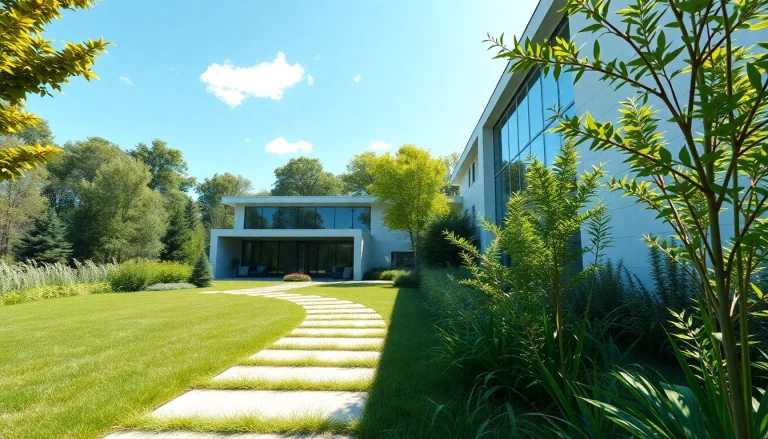
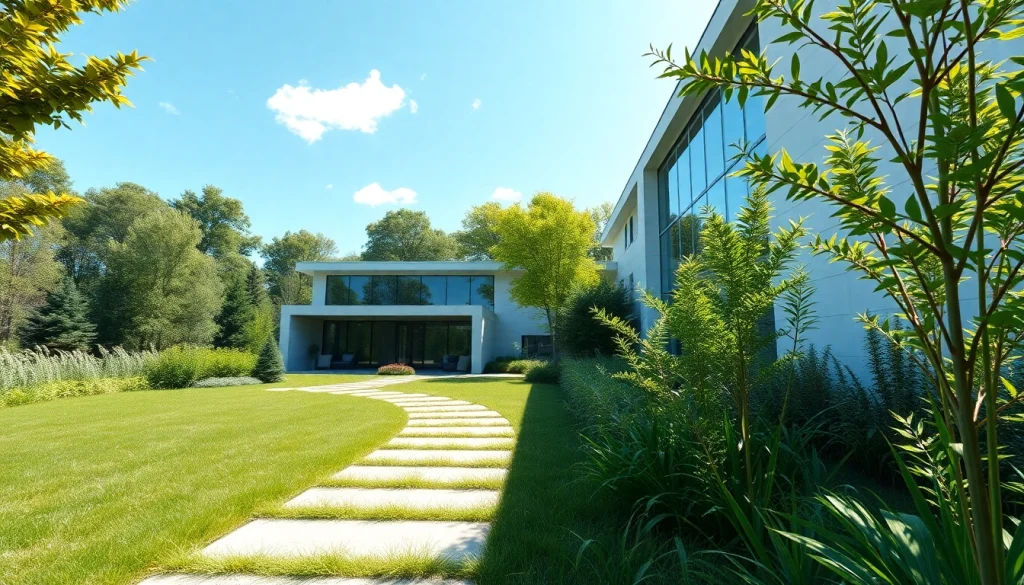
In contrast, contemporary designs prioritize simplicity, often incorporating large windows, open spaces, and innovative materials. A contemporary home may embrace aspects of minimalism, offering a fresh perspective on residential design that resonates with modern sensibilities.
Craftsman and Cape Cod Homes
The Craftsman style is characterized by its attention to handcrafted details, low-pitched roofs, and extensive use of natural wood. These homes often include built-in furniture and large porches, creating a sense of comfort and connectivity with nature.
Conversely, Cape Cod homes evoke the mythos of New England. Typically one to one-and-a-half stories with steep roofs, these homes prioritize functionality and simplicity, often featuring dormer windows and a central chimney.
Urban vs. Rural Architecture Styles
Urban architecture in Massachusetts often reflects the hustle and bustle of city life, with multi-story buildings and modern designs that engage pedestrians. In contrast, rural architecture tends to be rooted in traditional styles, with an emphasis on integrating with the landscape and natural surroundings.
Ultimately, selecting a style that resonates personally while remaining mindful of its surroundings can enhance your Massachusetts residential experience.
Building Regulations and Permits
Understanding local building regulations is vital for any residential project. This knowledge can streamline the construction process and ensure compliance with safety and zoning laws.
Navigating Local Building Codes
Every municipality has specific building codes that govern structural integrity, safety, and environmental impacts. Familiarize yourself with these codes to avoid potential delays or penalties during construction. Consulting with an architect can provide insight into compliance, ensuring your design meets local regulations while remaining innovative.
Understanding Zoning Laws
Zoning laws dictate land use, including residential density, building height, and spacing between structures. Understanding these laws is essential to avoid fines or complications. Engaging with the local planning department can clarify any uncertainties and help ensure that your proposed design aligns with zoning regulations.
Securing Necessary Permits
Before construction begins, securing the necessary permits is crucial. This process can vary by municipality and may include permits for building, electrical work, plumbing, and even landscaping. Proper documentation is critical to avoid interruptions in the construction timeline.
It is beneficial to develop a positive relationship with local authorities to facilitate future approvals, which can expedite the design and building process.
Maintaining Architectural Integrity
Ensuring that a home retains its architectural integrity is crucial for both functional and aesthetic reasons. This involves a careful balance between restoration and renovation.
Restoration vs. Renovation
Restoration aims to return a building to its original condition, conserving historical value, while renovation focuses on updating or improving a space to meet contemporary standards. Understanding the distinction between the two can help homeowners ensure that their homes reflect a true sense of place while accommodating modern living.
Sourcing Authentic Materials
Using authentic materials enhances a home’s character and ties it to its history. Whether remodeling a classic Colonial home or building a modern masterpiece, sourcing materials that reflect local craftsmanship can significantly impact the overall feel of a residence.
Consider local quarries and timber suppliers who can provide building materials that match the region’s historical context, enhancing authenticity and architectural integrity.
Future-Proofing Your Home
Future-proofing a home involves planning for inevitable changes and advancements in design, technology, and lifestyle. Incorporating flexibility in designs ensures that homes can easily adapt to evolving needs, whether adding additional rooms, installing new technologies, or enhancing sustainability measures.
Frequently Asked Questions
What are the most common architectural styles in Massachusetts?
Common architectural styles include Colonial, Victorian, Cape Cod, and Craftsman, each characterized by unique features reflecting Massachusetts’ history.
How can I choose the right style for my home?
Consider your lifestyle, aesthetic preferences, and the architectural context of your neighborhood to choose a style that complements or enhances your surroundings.
What is the role of an architect in residential projects?
An architect helps translate your vision into a functional design, ensuring compliance with local laws while optimizing space and aesthetics.
How do I stay within budget when building a home?
Establish a clear budget early, prioritize needs versus wants, and maintain open communication with your architect throughout the planning process.
What sustainability practices should I consider?
Consider energy-efficient windows, solar panels, natural materials, and sustainable landscaping to reduce your home’s environmental footprint.